English
  中文简体
中文简体 We are a national high-tech enterprise. At present, there are many kinds of self-woven and cooperatively processed fabrics, including microfiber warp-knitted towel cloth, weft-knitted towel cloth, coral fleece, etc.
Content
A complete guide to jacquard webbing straps — weaving technology, applications, and material selection.
Precision Weaving
Jacquard Webbing Strap
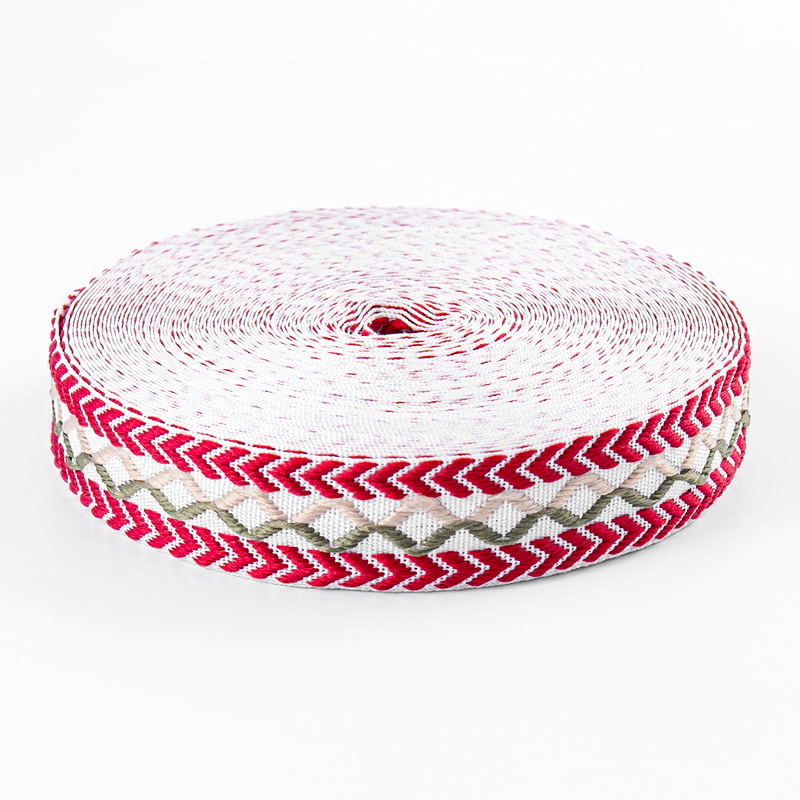
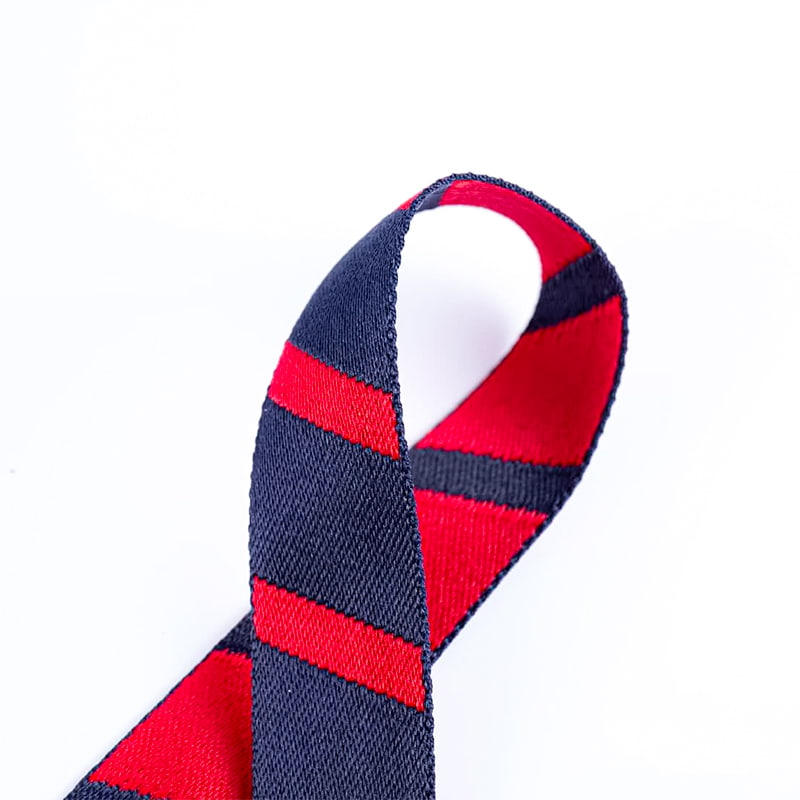
A jacquard webbing strap is a woven textile product created using jacquard weaving technology, which allows intricate patterns, logos, and designs to be woven directly into the strap during the manufacturing process. Unlike printed webbing, where patterns are applied to the surface, jacquard webbing has patterns that are structurally integrated into the fabric, resulting in superior durability and a premium appearance.
Intricate Patterns woven directly into the strap
Durable Patterns do not fade or peel
Versatile Custom designs for any application
01
What Is Jacquard Webbing Strap
A jacquard webbing strap is a narrow woven fabric produced on a jacquard loom, which uses a system of individually controlled warp threads to create complex, detailed patterns. This technology enables the production of webbing with intricate designs, brand logos, text, and decorative motifs that are integrated into the weave itself.
Unlike conventional webbing, which typically features simple repeating patterns or solid colors, jacquard webbing offers unlimited design possibilities. The patterns are created by selectively raising and lowering individual warp threads during the weaving process, allowing for precise control over the final appearance.
Jacquard webbing straps are widely used in fashion accessories, luggage, pet products, automotive interiors, and industrial applications where both functionality and aesthetics are important.
Jacquard Webbing Technology Patterns Woven Not Printed
"
Jacquard weaving allows patterns to become part of the fabric structure — they cannot fade, peel, or wear away over time.
02
How Jacquard Webbing Is Made
The production of jacquard webbing involves a sophisticated weaving process that sets it apart from standard webbing manufacturing. The process begins with the creation of a design file that is translated into a punch card system or digital program that controls the jacquard loom.
Each warp thread is individually controlled by the jacquard mechanism, allowing for highly detailed patterns. During weaving, the loom selectively raises certain warp threads while lowering others, creating the desired pattern as the weft thread passes through. This process is repeated thousands of times to produce a single strap, with the pattern integrated directly into the fabric structure.
The resulting webbing features designs that are physically part of the material, making them resistant to wear, washing, and fading. This durability is a key advantage over printed webbing, where designs are applied to the surface and can degrade over time.
03
Materials and Yarn Options
Jacquard webbing straps can be produced using a variety of yarn materials, each offering distinct characteristics that suit different applications. The choice of material affects the strap's appearance, feel, durability, and performance.
Polyester yarns are widely used for jacquard webbing due to their excellent color retention, UV resistance, and durability. Polyester webbing maintains its appearance even after prolonged exposure to sunlight, making it suitable for outdoor applications.
Nylon yarns offer superior strength and abrasion resistance, making them ideal for heavy-duty applications such as luggage straps and automotive components. Nylon also has a smooth, lustrous finish that enhances the appearance of intricate jacquard patterns.
Cotton yarns provide a natural, soft hand feel and a matte appearance that is preferred for fashion accessories and garment applications. Cotton jacquard webbing offers a premium, traditional aesthetic.
Polypropylene yarns are lightweight, cost-effective, and resistant to moisture, making them suitable for applications where water exposure is common.
Leading manufacturers like Fengrun Rope Weaving Co., Ltd. offer jacquard webbing in a wide range of materials and custom colors, enabling brands to create straps that perfectly match their design requirements.
Polyester
Color retention, UV resistant
Nylon
High strength, abrasion resistant
Cotton
Soft feel, natural appearance
Polypropylene
Lightweight, moisture resistant
Pet Products Luggage Fashion Automotive Industrial
04
Applications
Jacquard webbing straps are used across a wide range of industries and product categories, thanks to their combination of strength, durability, and aesthetic appeal.
Fashion accessories — Jacquard webbing is widely used in bags, belts, backpacks, and handbags where decorative straps with brand logos or patterns are required. The ability to weave complex designs directly into the strap makes jacquard webbing a preferred choice for premium fashion brands.
Pet products — Pet collars, harnesses, and leashes often feature jacquard webbing with decorative patterns or brand names. The durability of jacquard webbing ensures that these products maintain their appearance even with daily use.
Luggage — Travel bags, suitcases, and duffel bags use jacquard webbing for handles, shoulder straps, and decorative trims. The patterns remain intact through years of use.
Automotive interiors — Seat belts, interior trim, and decorative straps in vehicles often utilize jacquard webbing for its durability and aesthetic qualities.
Industrial applications — Heavy-duty jacquard webbing is used in lifting slings, cargo straps, and safety equipment where strength and identification markings are important.
05
Jacquard vs Printed Webbing
Jacquard Webbing
- Patterns woven directly into the fabric
- Designs do not fade or peel
- Premium, textured appearance
- Durable through repeated washing
- Higher production cost
Printed Webbing
- Patterns applied to the surface
- Designs can crack or peel over time
- Flat, printed appearance
- Limited durability with washing
- Lower production cost
Integrated vs Surface
06
Frequently Asked Questions
What is jacquard webbing?
Jacquard webbing is a woven strap created using jacquard technology that allows intricate patterns and designs to be woven directly into the fabric during the manufacturing process.
What is the difference between jacquard webbing and printed webbing?
Jacquard webbing has patterns woven directly into the fabric structure, making them durable and resistant to fading. Printed webbing has designs applied to the surface, which can wear off over time.
What materials are used for jacquard webbing?
Jacquard webbing can be produced from polyester, nylon, cotton, and polypropylene yarns, each offering different characteristics for specific applications.
Can jacquard webbing be customized?
Yes, jacquard webbing can be customized with specific patterns, logos, text, and colors. The design is translated into a program for the jacquard loom.
Is jacquard webbing suitable for outdoor use?
Yes, polyester jacquard webbing offers excellent UV resistance and durability for outdoor applications such as luggage straps and outdoor gear.
What is the typical width of jacquard webbing?
Jacquard webbing is available in a wide range of widths, typically from 10mm to 100mm, depending on the application and loom capacity.
Choosing the right jacquard webbing strap depends on your application requirements and design preferences.
Whether you need durable polyester webbing for outdoor use, premium cotton for fashion accessories, or custom designs for brand identity, jacquard webbing offers the perfect combination of function and style.