English
  中文简体
中文简体 We are a national high-tech enterprise. At present, there are many kinds of self-woven and cooperatively processed fabrics, including microfiber warp-knitted towel cloth, weft-knitted towel cloth, coral fleece, etc.
Content
- 1 What separates jacquard webbing from standard webbing
- 2 How the construction actually works, thread by thread
- 3 Key performance properties, translated into plain terms
- 4 Is jacquard webbing stronger than plain nylon webbing?
- 5 Where this webbing shows up in daily life
- 6 How it holds up under environmental stress
- 7 The trade-offs built into the design
- 8 Safety standards that apply to webbing
- 9 Why the details matter
- 10 Frequently asked questions
- 10.1 What makes jacquard webbing different from standard webbing?
- 10.2 Is jacquard webbing stronger than plain nylon webbing?
- 10.3 How does the elastic stretch and recovery actually work?
- 10.4 Does the woven pattern wear off over time?
- 10.5 Where is this type of webbing commonly used?
- 10.6 Does elastic webbing lose its stretch over time?
- 10.7 Are there safety standards specific to jacquard webbing?
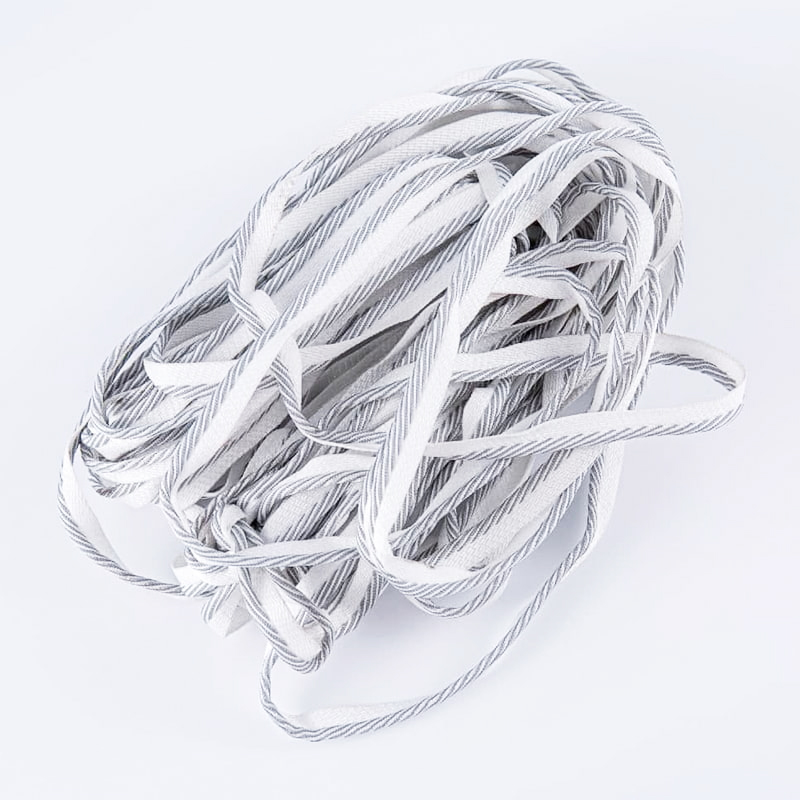
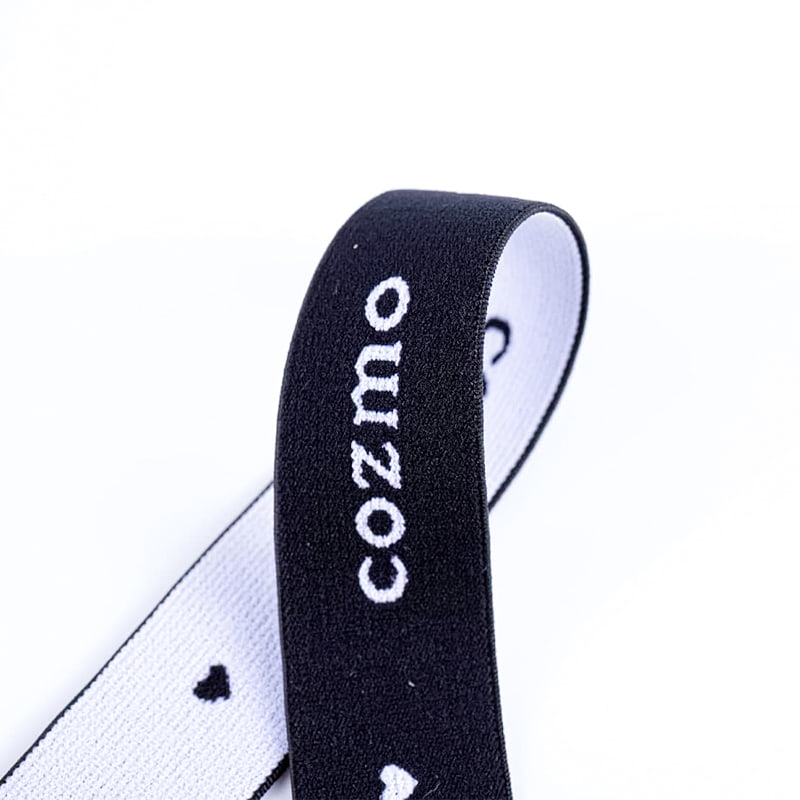
Pull on the strap of a backpack, a dog leash, or an adjustable waistband, and there is a good chance you are holding a woven textile far more engineered than it looks. Nylon Elastic Jacquard Webbing combines three separate ideas, a synthetic fiber, a stretch mechanism, and a patterned weaving technique, into a single flat strap that stretches, holds its shape, and can carry a woven design without ever being printed or dyed after the fact.
Quick definition
Nylon elastic jacquard webbing is a flat woven strap made from nylon yarn combined with elastic core threads, produced on a jacquard loom that weaves patterns directly into the strap's structure rather than printing them on afterward.
What separates jacquard webbing from standard webbing
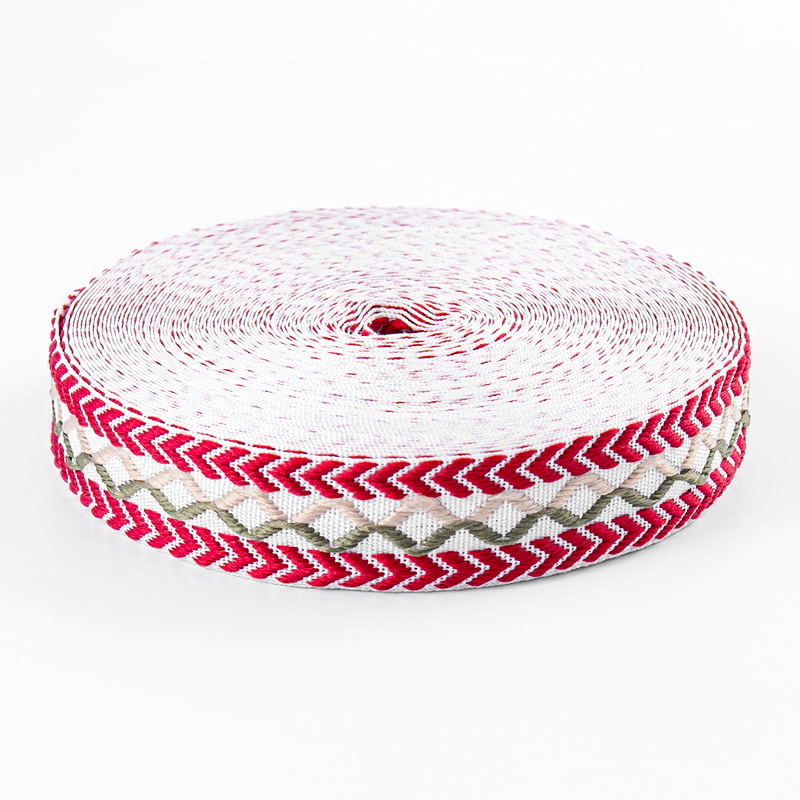
Most everyday webbing is woven on a simple loom in a plain, repeating pattern, which is fine for a strap that only needs to be strong and flat. A jacquard loom works differently. It controls each individual warp thread independently using a punch-card or computer-driven mechanism, which means the loom can weave complex patterns, logos, ribbing, or texture directly into the structure of the strap itself, rather than adding a pattern on top of a finished plain weave.
That distinction matters more than it might seem. A printed pattern sits on the surface of a strap and can crack, fade, or wear away with friction and washing. A jacquard pattern is built from the weave itself, so the design is as durable as the webbing it appears on. This is the core reason jacquard construction shows up on products that need to look intact after years of use, not just when new.
The word "elastic" in the name refers to a second, separate feature: core threads made from natural or synthetic rubber, or increasingly spandex-type elastane, woven in alongside the nylon yarns. These stretch threads let the finished strap extend under tension and recover its original length afterward, something a purely nylon weave without elastic cores cannot do.
How the construction actually works, thread by thread
1
Nylon yarns form the structural base
High-tenacity nylon fibers are woven as the primary warp and weft threads, providing the strap's baseline tensile strength and abrasion resistance.
2
Elastic cores are woven in under tension
Rubber or elastane core threads are fed into the weave already stretched, so that once woven in, they pull the surrounding nylon into a slightly gathered, stretchable structure.
3
The jacquard mechanism controls the pattern
Individual warp threads are raised or lowered according to a programmed pattern, allowing colored or textured yarns to appear only where the design calls for them.
4
The strap is finished and set
Heat setting stabilizes the elastic recovery behavior and locks the pattern and stretch characteristics in place before the webbing is cut to length.
Key performance properties, translated into plain terms
150 to 300 percentTypical stretch range before returning to original length
HighAbrasion resistance from tightly woven nylon fibers
LowMoisture absorption compared to natural fiber webbing
Woven-inPattern durability, since the design is structural, not printed
Elasticity is the property most people notice first, and it comes almost entirely from the core threads rather than the nylon itself, since nylon fiber alone has relatively little stretch. Tensile strength, by contrast, comes mostly from the nylon yarns, since elastic cores are not load-bearing in the same way. This split matters for anyone trying to understand how the strap will behave: the elastic threads make it comfortable and adaptable, while the nylon threads make it durable and load-capable, and the two work together rather than one replacing the other.
Abrasion resistance is another property inherited mostly from nylon, whose fibers resist surface wear far better than cotton or polypropylene under repeated friction. Moisture behavior also favors nylon, since it absorbs less water than natural fibers and dries faster, though it can lose a small amount of strength when fully saturated, a factor worth knowing for webbing used in wet environments.
Is jacquard webbing stronger than plain nylon webbing?
This question mixes two different variables that are worth separating clearly. "Jacquard" describes a weaving method, not a fiber, so asking whether jacquard webbing is stronger than nylon is really asking how a jacquard weave pattern compares to a plain weave pattern, both made from the same nylon fiber.
In practice, plain weave nylon webbing, with all of its threads running in a simple, tight, repeating pattern, generally achieves slightly higher raw tensile strength than a jacquard weave, because the jacquard loom's more complex thread paths and the presence of elastic cores introduce small structural interruptions that a plain weave does not have. The difference is usually modest under moderate loads and only becomes significant at the upper end of a webbing's rated capacity.
What jacquard weaving affects most is not raw strength but pattern durability, surface texture, and the ability to integrate elastic stretch without sacrificing structural integrity. So the more accurate comparison is not "which is stronger" in isolation, but which combination of properties, stretch, pattern durability, or maximum tensile strength, matters more for a specific use.
A jacquard weave trades a small amount of raw tensile strength for a woven-in pattern and, when elastic cores are added, genuine stretch and recovery, properties a plain nylon weave does not offer on its own.
Where this webbing shows up in daily life
Nylon Elastic Jacquard Webbing tends to appear anywhere a strap needs to stretch, hold a decorative or branded pattern, and survive repeated flexing without the pattern wearing away. Waistbands and adjustable straps on bags and apparel use the elastic property for comfort and fit. Pet collars and leashes rely on the combination of stretch absorption and abrasion resistance to handle sudden pulls without snapping taut. Sporting goods and fitness equipment, such as resistance bands and harness straps, depend on the elastic recovery to return to shape after thousands of stretch cycles. Decorative trim on bags, shoes, and accessories uses the jacquard pattern because it will not crack or peel the way a printed design eventually does.
How it holds up under environmental stress
| Stress factor | Typical behavior | Practical implication |
| UV exposure | Gradual strength loss and color fading over extended outdoor exposure | Outdoor products benefit from UV-stabilized nylon and colorfast dyeing |
| Moisture and humidity | Low absorption, slight temporary strength reduction when saturated | Performs reliably in damp conditions but should dry between heavy use |
| Repeated stretching | Elastic cores gradually lose some recovery force over thousands of cycles | Elasticity is strongest when new and slowly moderates with age, as expected of any elastic material |
| Temperature extremes | Nylon softens slightly at high heat and can stiffen in severe cold | Performance is most consistent within moderate ambient temperature ranges |
| Abrasive friction | High resistance due to nylon's inherent surface toughness | Well suited to repeated contact with hardware, buckles, and rings |
The trade-offs built into the design
What elastic cores add
- Comfortable, adaptive fit under movement
- Shock absorption during sudden tension
- Better recovery after repeated stretching
What elastic cores cost
- Slightly lower maximum tensile strength than plain weave
- Gradual, natural loss of stretch force over years of use
- More complex manufacturing and quality control
No single version of this webbing maximizes every property at once, and that is a normal characteristic of engineered textiles rather than a flaw. A strap optimized purely for maximum load capacity would use a tight plain nylon weave with no elastic cores at all, while one optimized purely for comfort and stretch would lean further into elastic content at some cost to peak strength. Jacquard construction with elastic cores sits deliberately in between, favoring pattern durability and stretch behavior over the absolute highest tensile rating.
Safety standards that apply to webbing
Because webbing is used across such a wide range of products, from fashion accessories to load-bearing straps, the relevant standards depend heavily on the application. A few of the most commonly referenced frameworks include general textile testing standards for tensile strength and elongation, flammability standards for webbing used in apparel or upholstered products, and application-specific standards, such as those covering pet products, luggage hardware, or personal protective equipment, when the webbing is load-bearing in a safety-relevant context.
| Standard type | What it typically covers |
| Tensile strength and elongation testing | Measures breaking strength and stretch behavior under controlled load |
| Colorfastness testing | Evaluates resistance to fading from washing, rubbing, and light exposure |
| Flammability testing | Applies to webbing used in apparel, home textiles, or upholstered goods |
| Application-specific safety standards | Cover load ratings for luggage, pet products, or safety equipment where relevant |
None of these standards are unique to jacquard construction specifically; they apply to webbing generally, with the exact requirements depending on where and how the finished strap will be used.
Why the details matter
Webbing is one of those materials that only gets attention when it fails, whether that means a pattern flaking off a strap or elastic that no longer springs back. Understanding that jacquard construction and elastic content are two separate design choices, each with its own trade-offs, makes it easier to understand why a strap behaves the way it does, and why "webbing" is really a broad category made up of many distinct engineering decisions rather than a single material with one fixed set of properties.
Frequently asked questions
What makes jacquard webbing different from standard webbing?
Standard webbing is woven in a simple, repeating pattern, while jacquard webbing is produced on a loom that controls individual threads to weave patterns directly into the structure of the strap rather than printing them on afterward.
Is jacquard webbing stronger than plain nylon webbing?
Plain weave nylon webbing generally has slightly higher raw tensile strength, since jacquard construction and elastic cores introduce structural complexity that trades a small amount of strength for pattern durability and stretch.
How does the elastic stretch and recovery actually work?
Rubber or elastane core threads are woven into the strap under tension, so the finished webbing can extend under load and pull itself back toward its original length once tension is released.
Does the woven pattern wear off over time?
Because the pattern is created by the weave structure itself rather than printed on the surface, it does not crack or peel the way a printed design can, though color can still gradually fade with heavy UV exposure.
Where is this type of webbing commonly used?
Common applications include adjustable straps on bags and apparel, pet collars and leashes, fitness and resistance equipment, and decorative trim where a durable woven pattern is desired.
Does elastic webbing lose its stretch over time?
Elastic cores gradually lose some recovery force after thousands of stretch cycles, which is normal behavior for any elastic material rather than a defect specific to jacquard construction.
Are there safety standards specific to jacquard webbing?
No standards apply exclusively to jacquard construction; instead, general webbing standards for tensile strength, colorfastness, and application-specific safety requirements apply based on how the finished product will be used.