English
  中文简体
中文简体 We are a national high-tech enterprise. At present, there are many kinds of self-woven and cooperatively processed fabrics, including microfiber warp-knitted towel cloth, weft-knitted towel cloth, coral fleece, etc.
Content
- 1 What Is Overlock Bedding Jacquard Webbing
- 2 Working Principle: How Jacquard Weaving and Overlock Finishing Work Together
- 3 Technical Specifications
- 4 Is Jacquard Fabric Good for Bedding
- 5 Is Jacquard Webbing Waterproof
- 6 What Is Jacquard Bedding
- 7 Jacquard Versus Needle Loom Webbing
- 8 Advantages and Uses of Jacquard Webbing
- 9 Application Scenarios in Bedding Production
- 10 Selection Considerations for Procurement
- 11 Common Mistakes and Overlooked Considerations
- 12 Durability Characteristics in Practice
- 13 Industry Trends and Future Outlook
- 14 Conclusion
- 15 Frequently Asked Questions
Edge finishing is one of the most overlooked factors in bedding construction quality, yet it determines how well a hem or seam holds up after repeated washing. Overlock Bedding Jacquard Webbing is a woven trim used to bind and reinforce these edges, combining a patterned jacquard weave with a double-sided overlock finish for durability. This article explains how the webbing is constructed, where it performs best, and what to check before specifying it for a bedding production run.
1.5cm
2.0cm
2.5cm
3.0cm
What Is Overlock Bedding Jacquard Webbing
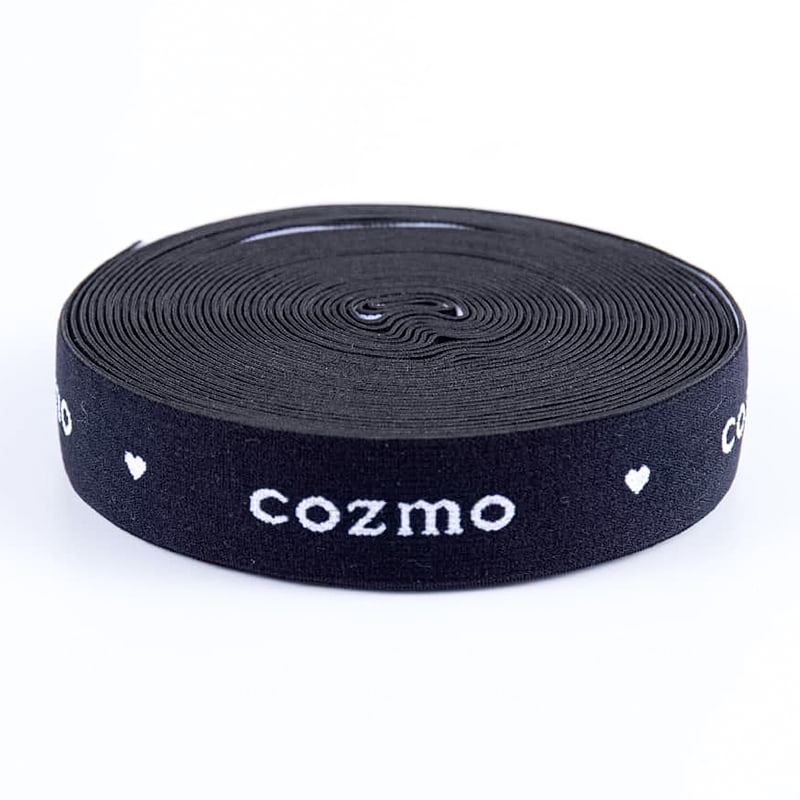
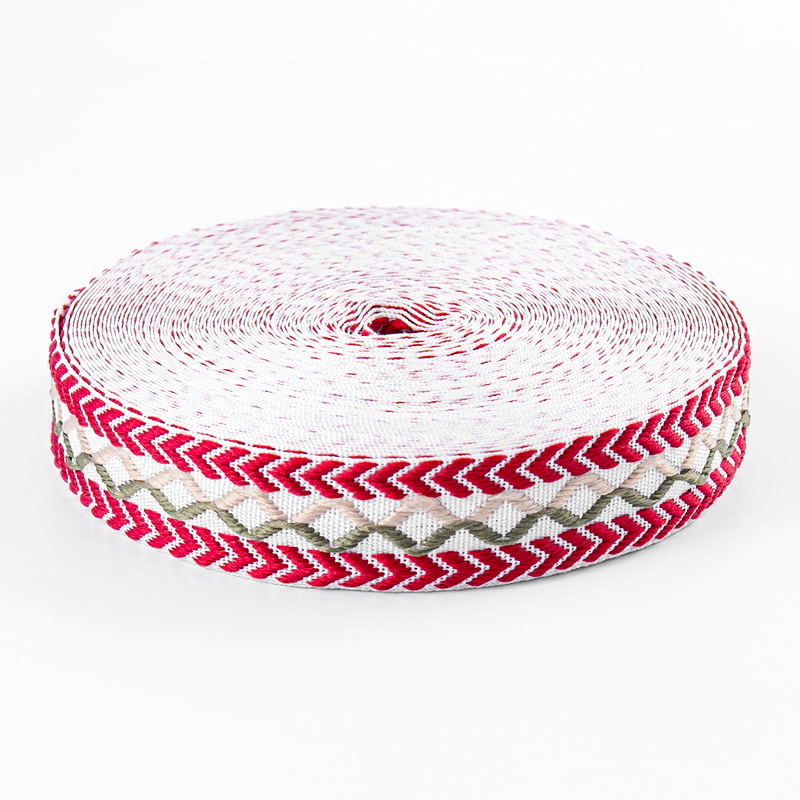
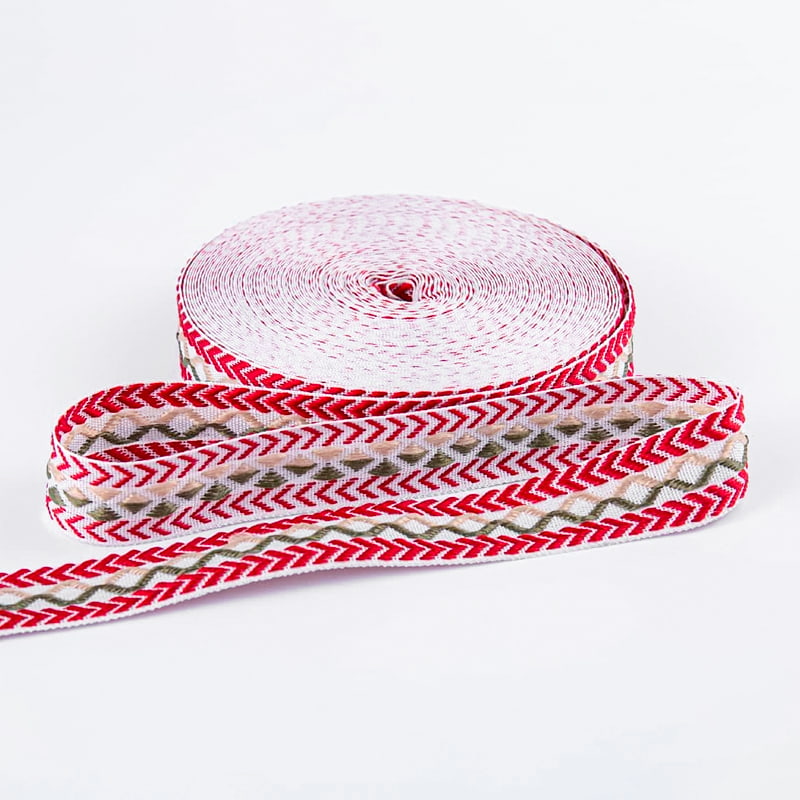
Overlock bedding jacquard webbing is a narrow woven mesh trim manufactured on a jacquard loom, then finished on both edges with an overlock stitch to prevent fraying. It is used primarily to bind and reinforce the edges of bedding items such as fitted sheets, pillow trims, mattress protectors, and quilted covers. The jacquard weave allows a repeating pattern or texture to be built directly into the structure of the webbing rather than printed on afterward, giving it a more defined, durable surface pattern than a flat printed trim.
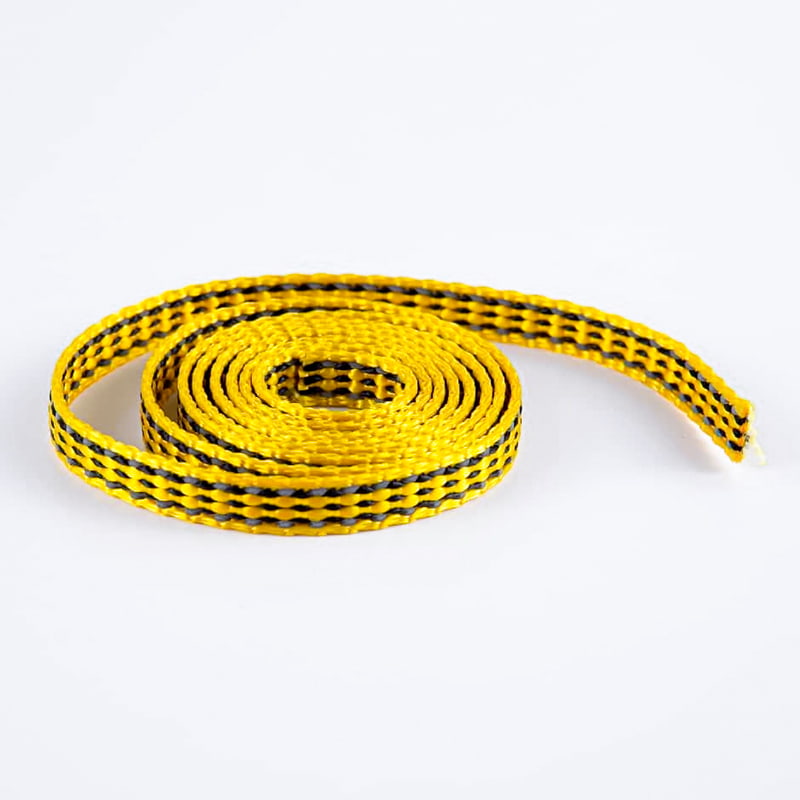
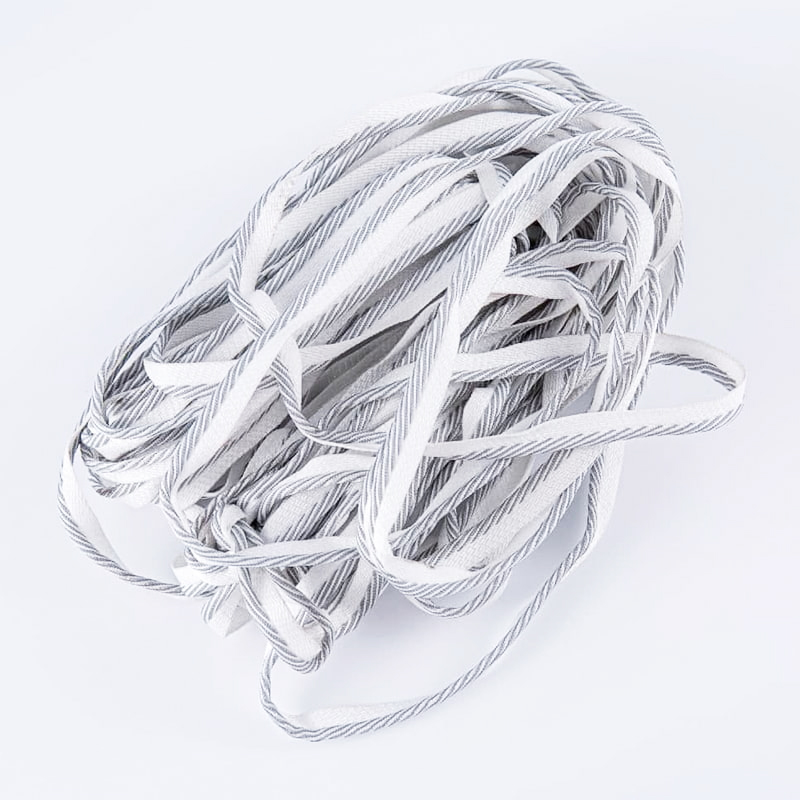
The mesh construction common to this webbing type refers to an open, breathable weave structure rather than a solid woven band. This construction reduces material weight while maintaining tensile strength along the length of the trim, which matters when the webbing is stitched under tension along a fitted edge.
Working Principle: How Jacquard Weaving and Overlock Finishing Work Together
A jacquard loom controls each individual warp yarn independently, which allows complex patterns to be woven directly into the fabric structure rather than relying on a simple repeating float pattern. This is what separates jacquard-woven webbing from needle loom webbing, where pattern and texture come from the needle's stitching path rather than from individually controlled warp yarns.
Once the webbing is woven to width, both edges pass through an overlock stitching process that encases the raw edge in thread, preventing the mesh from unraveling during cutting, stitching, and repeated laundering. This double-sided treatment is particularly important for mesh-structured webbing, since an open weave is more prone to edge fraying than a tightly woven solid band.
Technical Specifications
| Weave Type | Jacquard, patterned warp-controlled weave |
| Construction | Open mesh structure |
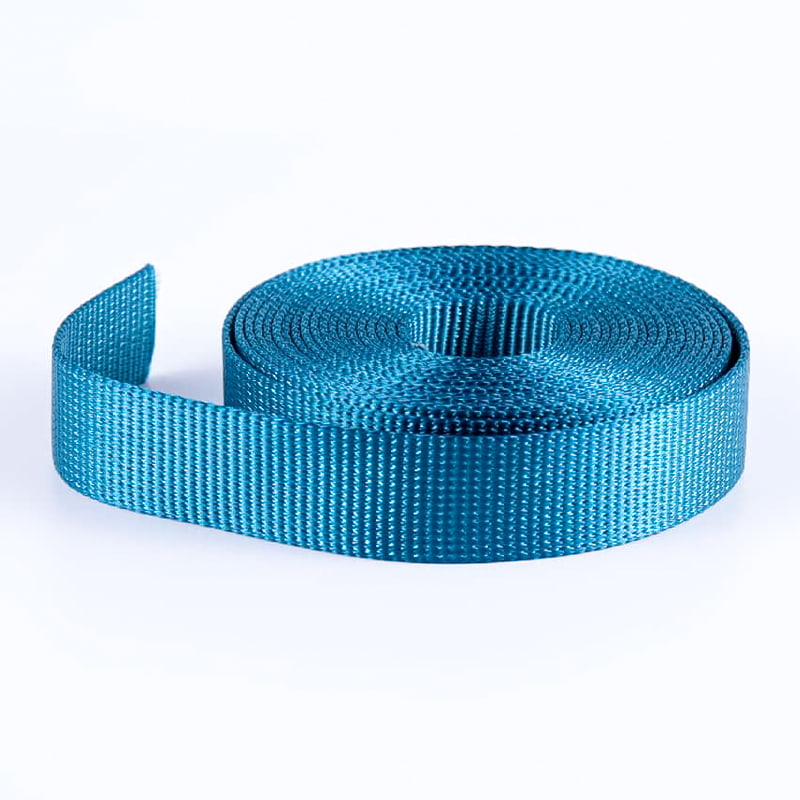
| Common Widths | 1.5cm to 3.0cm, with 2.5cm widely used for bedding edges |
| Edge Finish | Double-sided overlock stitch |
| Material | Polyester or polyester-cotton blend yarn |
| Colorfastness | Rated for repeated home laundering without significant fading |
Is Jacquard Fabric Good for Bedding
Jacquard fabric performs well in bedding applications because its pattern is woven into the structure rather than printed on the surface, which means the design does not fade or crack the way a surface print can after repeated washing. The tighter, more controlled weave structure typical of jacquard construction also tends to hold its shape better over time compared to simpler weave types, which is one reason it is frequently chosen for edge trims and decorative bands on bedding items that undergo frequent laundering.
Is Jacquard Webbing Waterproof
Standard jacquard webbing is not inherently waterproof. Its performance against moisture depends on the fiber content and weave density rather than any built-in barrier property. Polyester-based jacquard webbing resists moisture absorption better than cotton-blend versions, and a tighter weave slows water passage more than an open mesh structure, but neither variation should be treated as a true waterproof barrier without an additional coating or lamination applied separately from the base webbing.
What Is Jacquard Bedding
Jacquard bedding refers more broadly to bed linens, covers, or accessories that incorporate jacquard-woven fabric or trim as part of their construction, whether as the main fabric body or as a decorative and functional edge binding such as this webbing. The defining characteristic across all jacquard bedding products is that pattern and texture come from the weave structure itself rather than a separately applied print or embroidery layer.
Jacquard Versus Needle Loom Webbing
| Factor | Jacquard Webbing | Needle Loom Webbing |
| Pattern Origin | Woven into structure via warp control | Created by needle stitching path |
| Pattern Complexity | Supports intricate, multi-color designs | Generally simpler repeating patterns |
| Typical Texture | More defined surface texture | Flatter, more uniform surface |
| Common Use | Decorative bedding and garment trim | Straps, tapes, and structural bindings |
Advantages and Uses of Jacquard Webbing
- Pattern Durability — Woven-in patterns resist fading and cracking better than printed designs after repeated washing.
- Edge Reinforcement — The overlock finish stabilizes the mesh edge, extending usable life on items handled frequently, such as fitted sheets.
- Design Flexibility — Jacquard weaving supports a wide range of pattern and color combinations without requiring a separate printing step.
- Lightweight Structure — The mesh construction keeps the trim lightweight, which matters for stitching along curved or elasticized bedding edges.
Beyond bedding, similar jacquard webbing constructions are used in garment binding, upholstery trim, and accessory strapping, though width, weave density, and finish are adjusted to suit each application's stress and wash requirements.
Application Scenarios in Bedding Production
- Fitted Sheet Edges — Reinforces the elasticized edge where repeated stretching and washing places the most stress on the trim.
- Pillow and Cushion Trim — Provides a decorative, durable finish along visible seams.
- Mattress Protector Binding — Binds raw fabric edges while adding a defined visual border.
- Quilted Cover Edging — Finishes the perimeter of quilted bedding items where multiple fabric layers meet.
Selection Considerations for Procurement
- Match width to the stitching allowance used in the bedding construction, since a mismatch creates visible puckering or gapping along the seam.
- Confirm colorfastness rating against the laundering conditions the finished bedding item is expected to undergo.
- Verify overlock finish quality on both edges, since inconsistent stitching increases the likelihood of fraying over time.
- Review weave density relative to the intended durability requirement, since a denser weave generally withstands more handling stress.
- Check batch-to-batch color and pattern consistency for large production runs using the same design.
Common Mistakes and Overlooked Considerations
- Assuming all jacquard webbing is equally durable — Weave density and yarn quality vary between suppliers even within the same stated pattern complexity.
- Overlooking width tolerance — Small width variations between production batches can cause fit issues on automated stitching lines.
- Treating jacquard webbing as waterproof — Specifying it for a wet-use application without an added barrier treatment leads to performance gaps.
- Ignoring edge finish inspection — Skipping quality checks on the overlock stitch can let fraying-prone material reach production.
Durability Characteristics in Practice
The durability commonly associated with jacquard webbing comes from the combination of controlled warp-yarn weaving and the reinforced overlock edge, rather than from any single material property alone. A tightly woven mesh structure resists stretching out of shape, while the overlock finish keeps the open weave from unraveling under the repeated tension of home laundering. Facilities evaluating durability claims should request wash-cycle test data specific to the weave density and yarn type being supplied, since durability performance varies meaningfully between production specifications even within the same general product category.
Industry Trends and Future Outlook
Jacquard weaving technology continues to support finer pattern detail at narrower webbing widths, expanding design options for bedding edge trims without increasing material weight. There is also growing interest in blended yarn compositions that improve colorfastness and softness together, since bedding trims come into direct contact with skin more often than structural webbing used in other applications. Consistent batch quality control is becoming a more prominent procurement focus as production runs scale in volume.
Conclusion
Overlock Bedding Jacquard Webbing combines a pattern woven directly into the fabric structure with a reinforced double-sided edge finish, making it well suited to the repeated stress and laundering bedding items undergo. Reviewing weave density, width tolerance, colorfastness, and overlock finish quality during procurement helps ensure the trim performs consistently across a full production run.
Frequently Asked Questions
Is jacquard fabric good for bedding?
Yes, because its pattern is woven into the structure rather than printed on the surface, it resists fading and holds its shape better through repeated washing than printed alternatives.
Is jacquard webbing waterproof?
Not inherently. Moisture resistance depends on fiber content and weave density, and a true waterproof barrier requires an added coating rather than relying on the base weave alone.
What is jacquard bedding?
It refers to bed linens or accessories that use jacquard-woven fabric or trim, where pattern and texture come from the weave structure itself rather than a printed layer.
What is the difference between jacquard and needle loom webbing?
Jacquard webbing weaves pattern into the structure through individually controlled warp yarns, while needle loom webbing creates pattern through the needle's stitching path, generally resulting in simpler designs.
Why does jacquard webbing need an overlock finish?
The mesh structure common to this webbing is prone to fraying at a raw edge, so the overlock stitch encases both edges to stabilize the weave through cutting, stitching, and laundering.
What width is most common for bedding edge trims?
2.5cm is widely used for bedding edges, though widths from 1.5cm to 3.0cm are available depending on the stitching allowance in the finished design.