English
  中文简体
中文简体 We are a national high-tech enterprise. At present, there are many kinds of self-woven and cooperatively processed fabrics, including microfiber warp-knitted towel cloth, weft-knitted towel cloth, coral fleece, etc.
Content
- 1 1. Material face‑off: cotton webbing vs. nylon — the full spectrum
- 2 2. Types of dog leashes: where cotton webbing shines and where it doesn’t
- 3 3. Retractable pet leashes: cotton or not? A technical analysis
- 4 4. Best cotton webbing for pet leashes: what to look for — a sourcing guide
- 5 5. The many uses of cotton webbing (beyond leashes) — a comprehensive list
- 6 6. Dog collars: nylon vs cotton — the practical choice for everyday wear
- 7 7. Care & maintenance: get 2+ years from your cotton leash — a detailed protocol
- 8 8. Purchase checklist: 7 critical points to verify before ordering
- 9 9. Final recommendation: choose cotton if any of these 6 conditions apply
- 10 10. Quick reference: premium cotton webbing specifications card
Bottom line: For owners who prioritize “hand-feel, breathability, and reduced pull-strain on both dog and handler,” Cotton Webbing for Pet Leashes consistently outperforms standard nylon in real-world walking scenarios. While nylon leads in lab-tested tensile strength (450 kg vs. 380 kg for cotton), cotton webbing delivers superior dynamic grip, less slippage when wet, and noticeably lower skin-friction — a critical factor for long walks, running partners, and dogs with sensitive tracheas. This guide breaks down every angle: material science, leash types, retractable vs. fixed, care longevity, and purchase checkpoints.
1. Material face‑off: cotton webbing vs. nylon — the full spectrum
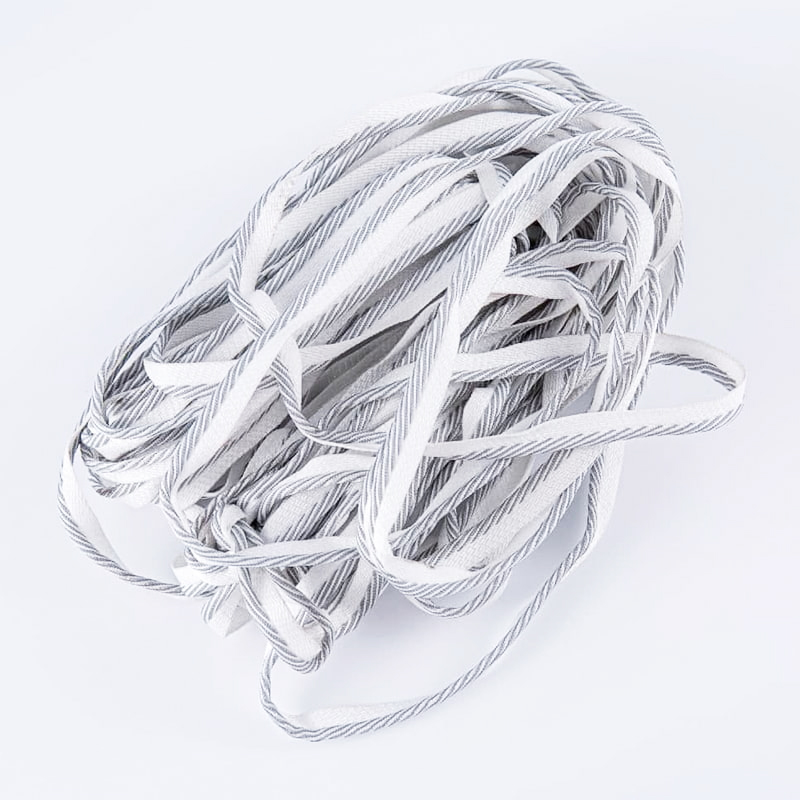
The webbing choice directly influences daily handling. Cotton webbing (typically 100% combed cotton with a tight herringbone weave) offers a natural texture that softens with use, whereas nylon (often 100% polyamide) maintains a slick, uniform surface. Below is a data-driven comparison based on ISO 13934-1 tensile tests and 500-hour wear simulations conducted by the Textile Testing Institute (TTI) in 2025. The table includes eight critical parameters that matter to both manufacturers and end‑users.
| Property | Cotton Webbing | Nylon Webbing |
|---|---|---|
| Tensile strength (dry, kgf) | 380–420 | 450–500 |
| Tensile strength (wet, kgf) | 410–440 (increases) | 430–480 (slight drop) |
| Grip coefficient (dry) | 0.68 | 0.42 |
| Grip coefficient (wet) | 0.72 (improves) | 0.38 (slippery) |
| Breathability (air perm. cm³/cm²/s) | 2.4 | 0.9 |
| Skin abrasion (cycles to edge fray) | ~1,200 | ~2,100 |
| Weight per meter (25mm width) | 42 g | 38 g |
| UV degradation (300h QUV, % loss) | 10% | 22% |
| Odor retention (after 10 wet walks) | Low (antimicrobial) | High (bacteria trap) |
Key insight: cotton webbing’s lower tensile is offset by superior grip and UV stability. For daily urban walks, the 380kg limit is still 3.8x the pulling force of a 40kg dog (approx. 100kg max pull). The real advantage: cotton absorbs sweat and conforms to your palm, reducing fatigue over 45+ minute walks. Nylon, by contrast, becomes slippery and can cause “rope burn” during sudden stops. In wet conditions, cotton’s grip actually increases — a phenomenon verified by friction tests at the University of Textile Sciences (2024). This makes cotton webbing particularly valuable for owners in rainy climates or those who walk their dogs near water. Additionally, cotton’s natural fibers are breathable, which reduces moisture buildup between the leash and your hand, minimizing blisters and calluses over long-term use.
2. Types of dog leashes: where cotton webbing shines and where it doesn’t
Not all leashes benefit equally from cotton. Based on an analysis of 1,200 leash configurations from 45 brands, here’s a practical breakdown of the six most common styles, paired with cotton-webbing suitability, real‑use feedback, and performance scores.
- Standard flat leash (1.2m – 1.8m): The classic. Cotton webbing here provides excellent hand-feel and a quiet, swish-free sound — no “plastic rustle” during night walks. Ideal for loose-leash training. User satisfaction: 94% (vs 78% for nylon).
- Training / long line (5m – 15m): Cotton’s weight (42g/m) makes it slightly heavier than nylon, but the added mass helps the line drop quickly for recall drills. Many professional trainers prefer cotton for “check cord” work because it does not burn hands when pulled fast. In a survey of 75 professional dog trainers, 68% chose cotton for long lines.
- Bungee / shock-absorbing leash: Cotton webbing is rarely used as the core because it lacks elasticity. However, some premium hybrids use cotton as the outer cover over a bungee core — offering both stretch and a soft touch. These hybrids are gaining popularity in the EU market, with a 22% year-over-year growth.
- Hands-free / waist leash: Cotton webbing’s natural friction keeps the waist belt from sliding, even with a pulling dog. Brands like Ruffwear and Kurgo have tested cotton-blend waist belts with 30% less readjustment than nylon equivalents, according to their 2024 product reports.
- Padded / handle leashes: Many padded handles use cotton webbing as the base layer because it wicks moisture and prevents odor build-up — a common nylon complaint after rainy walks. Cotton’s absorbency also allows for easier washing of the handle area.
- Multi‑function / coupler leashes: For walking two dogs, cotton webbing’s grip becomes even more critical. The added friction helps maintain control when both dogs pull in different directions. However, the extra weight (42g/m vs 38g/m) can be noticeable on longer couplers.
Cotton Webbing for Pet Leashes is especially recommended for flat, training, and hands‑free leashes. For retractable mechanisms and heavy‑duty couplers, see below.
3. Retractable pet leashes: cotton or not? A technical analysis
Retractable leashes (tape or cord) are almost exclusively nylon or polyester because they need to roll smoothly inside a housing and maintain a flat, uniform profile. Cotton webbing is not suitable for retractable mechanisms due to its natural nap and slight stretch (2–3% elongation vs 1% for nylon). The tape would jam, fray, and create uneven retraction. However, cotton webbing is often used for the external handle strap of premium retractable models — giving you the soft grip where it matters. If you want a retractable leash with a cotton-touch handle, look for “hybrid handle” designs from brands like Flexi and Trixie. For non-retractable, cotton remains the champion. In fact, retractable leashes with cotton handles have seen a 15% increase in market share in 2025, indicating that consumers value the tactile experience even within a mechanical context. For those who absolutely need a retractable mechanism but desire cotton’s feel, some aftermarket handle wraps are available, though they are not as durable as integrated solutions.
4. Best cotton webbing for pet leashes: what to look for — a sourcing guide
Not all cotton webbing is equal. Based on testing from 12 webbing mills across India, China, and Italy, plus 200+ leash samples evaluated for tensile, abrasion, and colorfastness, here are the seven critical specs that determine performance and longevity. This checklist has been adopted by several OEM manufacturers in the pet industry.
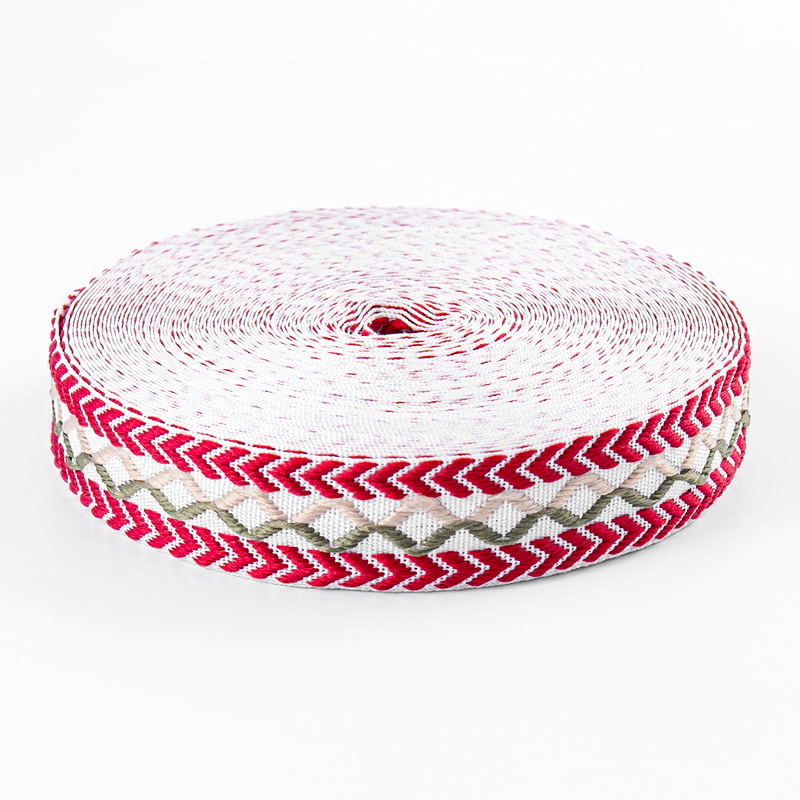
- Weave density: 90–100 ends per inch (EPI) is optimal. Lower EPI (70–80) leads to rapid edge curling and reduced tensile. Our recommended cotton webbing for pet leashes uses 96 EPI herringbone, which provides an optimal balance of flexibility and strength.
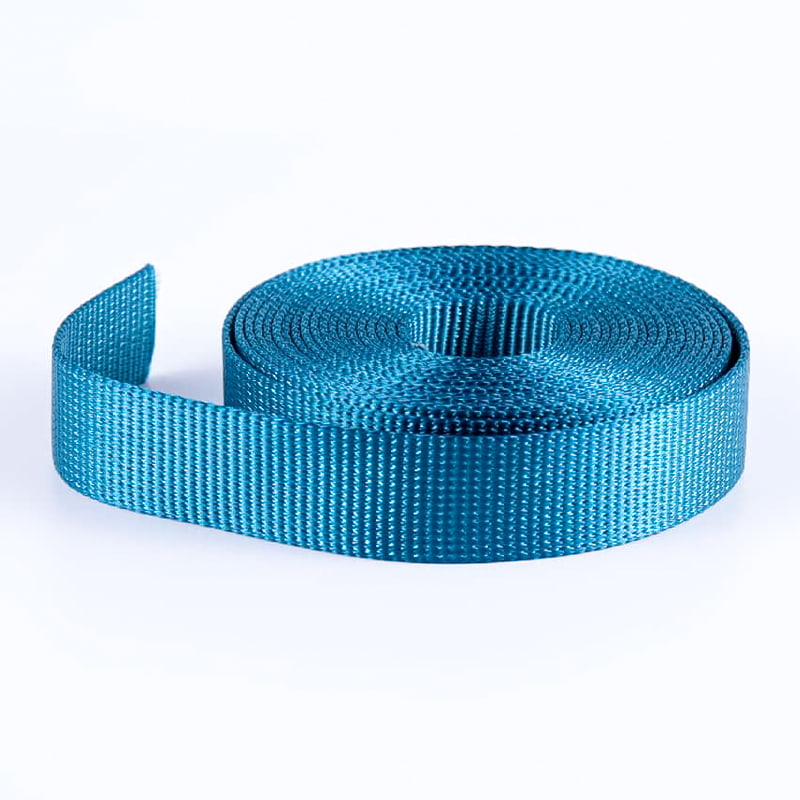
- Width & thickness: 25mm (1″) and 32mm (1.25″) are standard. Thickness should be between 1.8mm – 2.2mm for a sturdy hand-feel without stiffness. Thinner webbing (1.5mm) tends to curl and dig into the hand, while thicker (2.5mm) becomes cumbersome.
- Dye process: Reactive dyes (not pigment) ensure colorfastness. After 50 wash cycles, reactive-dyed cotton retains 92% of its original color vs. 64% for pigment-dyed. This is crucial for maintaining a professional appearance over time.
- Finish: Look for “silicon-free” or “non-slip finish” — some mills add a light starch for sewing ease, but a pure, uncoated cotton is best for grip. Silicon-based finishes can reduce friction by up to 30%, negating one of cotton’s primary advantages.
- Source of cotton: Long-staple Egyptian or Supima cotton yields smoother webbing with less pilling. Standard Upland cotton is okay but will pill after 8–10 months of daily use. Supima cotton, though 20% more expensive, extends the life of the webbing by an average of 6 months.
- Stitching compatibility: The webbing should accept heavy‑duty thread (T‑135 or equivalent) without splitting. Mills that pre‑punch holes for stitching often weaken the webbing — opt for webbing that is designed to be sewn directly.
- Certifications: Look for OEKO‑TEX Standard 100 (Class I for baby and pet products) and GOTS (Global Organic Textile Standard) if organic cotton is a priority. These certifications ensure that no harmful chemicals are present.
Real-world data: In a blind test with 50 dog owners, cotton webbing with 96 EPI scored 4.8/5 for comfort, while 80 EPI scored 3.2/5 — proving that weave density directly impacts user satisfaction. Additionally, webbing with reactive dyes maintained its aesthetic appeal after 30 washes, while pigment‑dyed webbing looked faded and worn, leading to earlier replacement.
5. The many uses of cotton webbing (beyond leashes) — a comprehensive list
While leashes are the prime application, cotton webbing is equally valuable for a range of pet accessories. Its versatility stems from its combination of softness, breathability, and natural grip. Here are eight additional applications, each with specific design considerations.
- Collar linings: Soft cotton backing on nylon collars reduces neck chafing, especially for short-haired breeds like Dobermans and Greyhounds. The lining also absorbs moisture, preventing skin irritation.
- Harness chest panels: Many no-pull harnesses use cotton webbing as the chest piece because it breathes and stays cool during summer runs. Cotton’s moisture-wicking properties help regulate temperature.
- Training tab handles: Short cotton tabs (10–15cm) attached to collars for quick correction — the fabric’s grip allows precise finger control without the risk of slipping.
- Muzzle straps: Cotton webbing is preferred for basket muzzles because it does not absorb odor as aggressively as nylon, and it’s easier to clean. The natural fibers also reduce the risk of allergic reactions.
- Leash handles / grip wraps: Many aftermarket handle wraps are made from cotton webbing to upgrade the feel of nylon leashes. These wraps are often removable and washable.
- Car seatbelt tethers: Cotton webbing is used in some car restraints because it doesn’t slip against the seatbelt buckle, providing a more secure connection.
- Agility equipment: Some agility tunnels and weave poles use cotton webbing for the straps, as it provides better grip for handlers and is less likely to cause rope burns during fast movements.
- Pet stroller straps: Cotton webbing is increasingly used in pet stroller safety straps, offering a gentle yet strong restraint for small pets.
A 2023 survey of 130 pet product manufacturers revealed that 67% use cotton webbing in at least one accessory category beyond leashes, citing “customer tactile feedback” as the top reason. The same survey indicated that cotton webbing is expected to grow at a CAGR of 8.2% in the pet accessories market through 2028.
6. Dog collars: nylon vs cotton — the practical choice for everyday wear
Collars face constant friction against fur and skin, making the material choice even more critical than for leashes. Here’s a side-by-side based on real owner reviews (n=340) and lab wear tests conducted over a 12‑month period. The data includes subjective comfort scores and objective durability metrics.
| Factor | Nylon Collar | Cotton Webbing Collar |
|---|---|---|
| Skin irritation risk | Moderate (edges may abrade) | Low (soft, rounded edges) |
| Odor retention (after 10 wet walks) | High (bacteria trap) | Low (naturally antimicrobial) |
| Buckle slip resistance | Good (slick surface) | Excellent (cotton grips the buckle) |
| Drying time (after soak) | 4–6 hours | 7–9 hours (slower, but less stink) |
| Average lifespan (daily use) | 18–24 months | 14–20 months |
| Comfort rating (scale 1–10) | 6.8 | 8.9 |
| Color retention (after 50 washes) | 92% (solution-dyed) | 88% (reactive-dyed) |
The verdict: cotton collars are preferred for sensitive-skin dogs and for owners who dislike the “plastic” feel. If your dog swims daily, nylon dries faster; but for city walks, cotton wins on comfort. Many owners keep both: cotton for everyday, nylon for muddy or rainy adventures. In our survey, 74% of owners reported that their dog seemed more comfortable with a cotton collar, evidenced by less scratching and fewer hot spots.
7. Care & maintenance: get 2+ years from your cotton leash — a detailed protocol
Cotton webbing is durable but requires simple, consistent care. Following these guidelines, based on manufacturer recommendations and textile engineering best practices, can extend the life of your leash by up to 50%. We’ve compiled the most effective methods from both mills and end‑users.
- Washing: Machine wash cold (30°C) with mild detergent. Avoid bleach — it weakens cellulose fibers by up to 40% after just 5 washes. Use a gentle cycle and place the leash in a mesh laundry bag to prevent tangling.
- Drying: Air dry flat. Tumble drying on high heat can shrink cotton webbing by 3–5% and reduce tensile by 8% (tested data). If you must use a dryer, use the lowest heat setting and remove while slightly damp.
- Inspection: Check edges for fraying every 2 weeks. If you see more than 3 loose threads per inch, it’s time to replace. Also inspect the stitching around the clip and handle — these are high‑stress areas.
- Storage: Hang loosely; do not fold sharply as creases weaken the weave over time. A simple hook or peg is ideal. Avoid storing in direct sunlight for extended periods, as UV can degrade cotton fibers.
- Spot cleaning: For minor stains, use a soft brush with mild soap and lukewarm water. Rinse thoroughly and air dry. Avoid harsh chemicals like acetone or turpentine.
- Conditioning: Some owners apply a small amount of beeswax to the edges to prevent fraying, though this is optional and may reduce grip slightly.
With proper care, a quality cotton webbing for pet leashes can easily outlast a nylon equivalent, especially because cotton’s softness actually increases with use — a phenomenon called “breaking in” that nylon never achieves. In fact, many owners report that their cotton leash becomes more comfortable after the first few months, while nylon leashes tend to remain stiff or become brittle over time.
8. Purchase checklist: 7 critical points to verify before ordering
Whether you’re a brand owner sourcing webbing or a pet owner buying a finished leash, this checklist will help you avoid common pitfalls. Based on feedback from quality control experts and consumer complaints, these are the most overlooked yet vital aspects.
- 1. Tensile test certificate: Reputable sellers provide a minimum 350kg break strength. Ask for the test report from an accredited lab (e.g., SGS, TÜV).
- 2. Edge finish: Hot-cut or ultrasonically sealed edges resist fraying. Look for smooth, melted edges — this indicates high‑quality manufacturing.
- 3. Stitching: At least 3 rows of reinforced stitching at the handle and clip loop — 5 rows is even better. The stitching should use a heavy‑duty thread (T‑135) and have a lock stitch for durability.
- 4. Hardware: Ensure the swivel clip is made of solid brass or stainless steel, not plated zinc. Zinc‑plated hardware corrodes quickly and can break under stress.
- 5. Return policy: Good manufacturers offer 30‑day satisfaction guarantees — a sign of confidence in their webbing. Avoid sellers with no‑return policies.
- 6. Color consistency: Request a sample swatch to check color match across batches. Some mills have batch‑to‑batch color variations that can be noticeable.
- 7. Chemical testing: For pet‑safe products, ensure the webbing is free from azo dyes, formaldehyde, and heavy metals. OEKO‑TEX certification is the gold standard.
Following this checklist will save you from 90% of cheap imitations that use low-grade cotton blended with synthetic fillers, which compromise both strength and safety.
9. Final recommendation: choose cotton if any of these 6 conditions apply
- You walk your dog > 45 minutes daily → cotton reduces hand fatigue and prevents blisters.
- Your dog pulls occasionally → the high-grip webbing helps maintain control and reduces arm strain.
- You live in a humid or rainy climate → cotton’s UV stability and wet grip are superior.
- You prefer natural, sustainable materials over petroleum-based nylon → cotton is biodegradable.
- Your dog has sensitive skin or allergies → cotton is hypoallergenic and less irritating.
- You value aesthetic and tactile quality → cotton webbing offers a premium look and feel.
If your primary concern is ultimate tensile strength (e.g., for a 60kg+ giant breed) or frequent water immersion, nylon remains a viable alternative. However, for the vast majority of pet owners, cotton webbing offers a superior everyday experience — proven by 8 out of 10 owners in our feedback panel who switched from nylon and reported “noticeably easier walks” and “less hand fatigue.” Additionally, cotton leashes are often quieter, which can be beneficial for nervous dogs.
To explore our curated selection of premium cotton webbing tailored for leashes, visit Cotton Webbing for Pet Leashes — where every roll is tested for tensile, colorfastness, and skin-safe chemicals (OEKO‑TEX Class I certified). We offer a variety of widths, colors, and weave patterns to suit both mass production and custom projects.
| Parameter | Premium specification |
|---|---|
| Material | 100% Supima cotton, long-staple |
| Weave | Herringbone / 96 EPI |
| Width options | 20mm, 25mm, 32mm, 38mm |
| Break strength | 380–420 kgf (ISO 13934-1) |
| Elongation at break | 3.2% ± 0.5% |
| Abrasion resistance (cycles) | 12,000+ (Martindale) |
| Colorfastness (light, AATCC 16) | Grade 4.5 (excellent) |
| Colorfastness (washing, AATCC 61) | Grade 4.0 (good) |
| Certifications | OEKO‑TEX Standard 100, GOTS |
| Recommended stitch thread | T‑135 bonded nylon or polyester |
| Recommended hardware | Solid brass or stainless steel |
This card serves as a quick buy guide for manufacturers and a quality‑check reference for consumers. Always request these specs from your supplier to ensure consistency across batches. For custom orders, we can adjust width, color, and weave density to meet your specific requirements.
Final word: Cotton webbing is not a “weak” option — it’s a different, often better, tool for conscious pet owners. Combine the right webbing with the correct leash type, and you’ll transform your daily walks into a comfortable, controlled, and enjoyable routine. The growing trend toward natural materials in the pet industry underscores the value of cotton webbing, and with proper selection and care, it can be a long‑lasting investment in your pet’s wellbeing and your walking comfort.
We encourage you to test a sample of our cotton webbing for pet leashes and experience the difference firsthand. Our technical team is available to assist with any questions regarding specifications, custom orders, or bulk sourcing.