English
  中文简体
中文简体 We are a national high-tech enterprise. At present, there are many kinds of self-woven and cooperatively processed fabrics, including microfiber warp-knitted towel cloth, weft-knitted towel cloth, coral fleece, etc.
Content
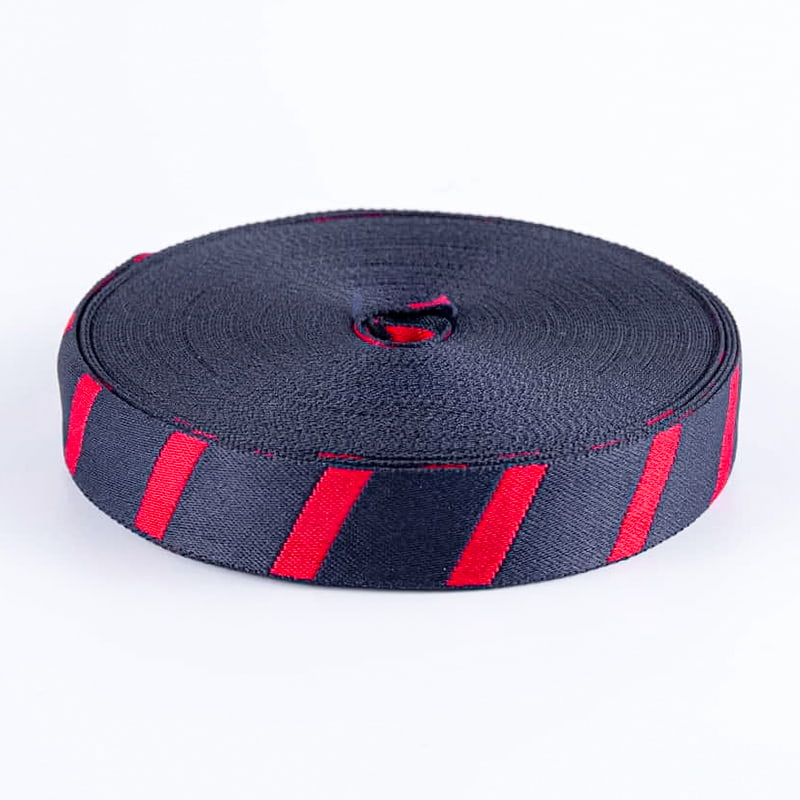
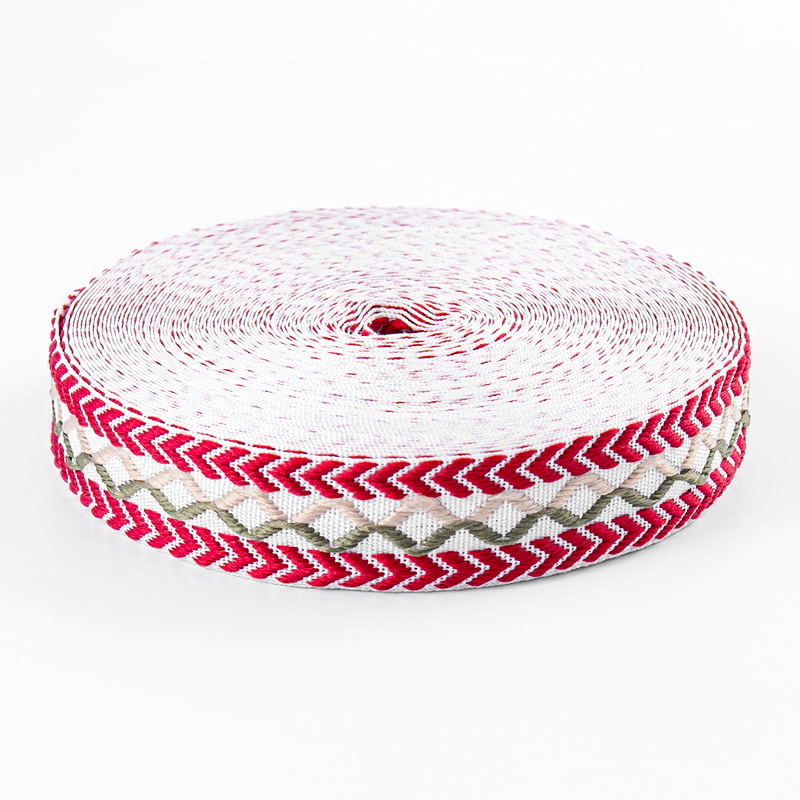
Jacquard webbing straps are woven textile straps that carry patterns, logos, or graphics directly within the fabric structure. The design is not printed on the surface. It is built into the weave during production. This makes the pattern permanent and resistant to fading, peeling, or washing damage. For B2B buyers and manufacturers, this distinction matters significantly in product durability and brand presentation.
How Jacquard Webbing Is Woven
Loom Types and Pattern Integration
Jacquard webbing is produced on a Jacquard loom, which uses a computerized system to control individual warp threads independently. This allows complex patterns, text, and multicolor graphics to be woven with high precision. Standard needle looms cannot produce this level of design complexity. The Jacquard mechanism originated in early 19th-century France and remains the foundation of modern pattern weaving technology.
- Computerized Jacquard heads control each warp thread separately
- Pattern repeat length depends on loom capacity and yarn count
- Color count per design typically ranges from 2 to 8 colors
- Pattern resolution increases with finer yarn and higher thread density
Yarn Selection and Fiber Composition
The yarn type directly affects the strap's performance, appearance, and cost. Most manufacturers use polyester as the base fiber because it offers high tensile strength, low moisture absorption, and consistent dye uptake.
- Polyester: most common, UV-resistant, low cost, high strength
- Nylon: higher abrasion resistance, slightly more elastic
- Polypropylene: lightweight, water-resistant, lower cost than polyester
- Cotton blends: softer hand feel, used in fashion and lifestyle products
Key Technical Specifications
Width, Thickness, and Tensile Strength
Buyers need to confirm dimensional and mechanical specifications before placing bulk orders. Standard widths for jacquard webbing straps for bags range from 15 mm to 50 mm. Tensile strength varies by fiber type and weave density.
- Common widths: 15 mm, 20 mm, 25 mm, 32 mm, 38 mm, 50 mm
- Thickness: 1.5 mm to 4 mm, depending on yarn weight and layer count
- Tensile strength: 200 kg to over 1,500 kg for load-bearing applications
- Elongation at break: polyester typically 15–25%, nylon 25–40%
Common Material Options
Different fiber types suit different end uses. The table below compares the most common materials used in the bulk production of polyester jacquard webbing straps.
| Material | Tensile Strength | UV Resistance | Water Resistance | Typical Use |
|---|---|---|---|---|
| Polyester | High | Good | Good | Bags, luggage, safety |
| Nylon | Very High | Moderate | Moderate | Military, outdoor gear |
| Polypropylene | Medium | Low | Excellent | Marine, budget products |
| Cotton blend | Low to Medium | Poor | Poor | Fashion, lifestyle items |
Jacquard Webbing Straps vs Printed Webbing
Wholesale buyers frequently compare jacquard webbing straps vs printed webbing when sourcing decorative straps. The two methods differ in production process, durability, cost, and design flexibility. Jacquard weaving integrates color into the yarn itself, while printing applies ink or dye to the surface after weaving. The table below outlines the practical differences.
| Feature | Jacquard Webbing | Printed Webbing |
|---|---|---|
| Pattern method | Woven into the structure | Applied to the surface |
| Fade resistance | Excellent | Moderate to low |
| Wash durability | High | Degrades over time |
| Color count | 2–8 colors per design | Unlimited |
| Minimum order | Higher MOQ typical | Lower MOQ possible |
| Unit cost | Higher | Lower |
| Best for | Premium, long-use products | Promotional, short-term use |
Industrial and Commercial Applications
Bag and Luggage Hardware
Jacquard webbing straps for bags are used as shoulder straps, handles, and decorative trims on backpacks, tote bags, duffel bags, and travel luggage. The woven-in logo or pattern allows brands to display identity without additional labeling. This reduces post-production steps and improves strap longevity in daily use conditions.
Pet Collars and Leashes
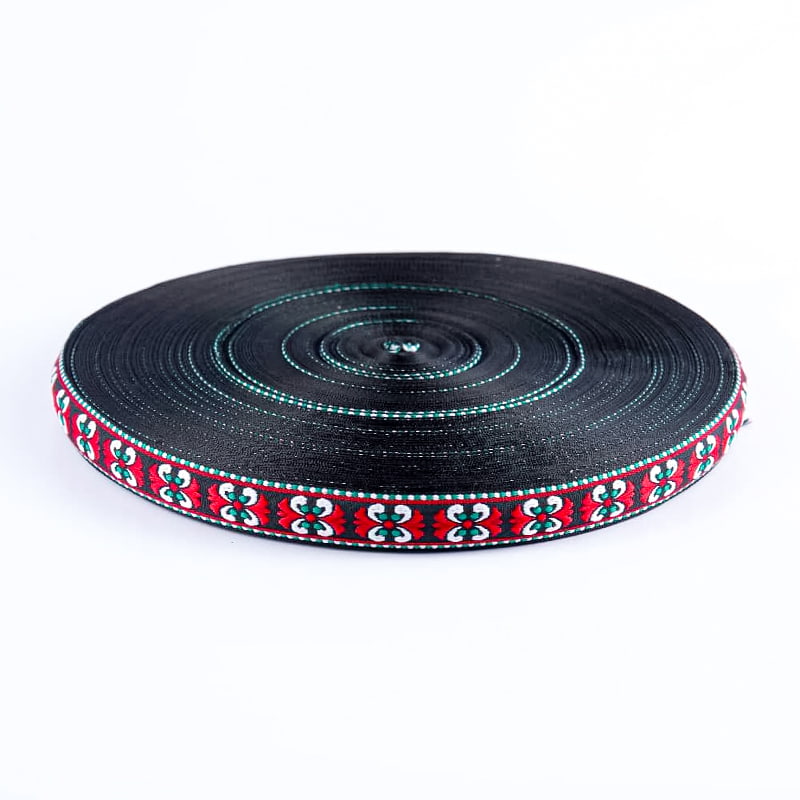
The pet accessories market uses jacquard webbing extensively for collars, harnesses, and leashes. Pattern durability is critical because pet products face repeated washing, outdoor exposure, and mechanical stress. Polyester jacquard in widths of 15 mm to 25 mm is the standard for this category.
Outdoor and Safety Equipment
Load-bearing applications such as climbing harnesses, cargo tie-downs, and safety lanyards require webbing with certified tensile strength. In these cases, the strength and durability of jacquard webbing straps must meet standards such as EN 795 or ANSI Z359. Buyers in this segment should always request third-party test reports before approving suppliers.
Wholesale Sourcing Guide
Minimum Order and Customization Options
For custom jacquard webbing straps wholesale, minimum order quantities typically start at 500 meters per design for standard widths. Custom colors, widths, and pattern repeats may require higher MOQs and longer lead times. Sample production usually takes 7 to 15 business days before bulk approval.
- Standard MOQ: 500–1,000 meters per colorway
- Custom width range: 10 mm to 100 mm
- Pattern repeat: typically 20 mm to 150 mm, depending on loom setup
- Lead time for bulk orders: 25 to 45 days after sample approval
Quality Checks Before Bulk Orders
Procurement teams should verify the following technical parameters on pre-production samples before approving large orders.
- Colorfastness: minimum Grade 4 per ISO 105-C06 wash test
- Tensile strength: request lab test report per ASTM D6775 or equivalent
- Width tolerance: acceptable variance within ±1 mm
- Edge finish: check for fraying, loose threads, or uneven selvedge
- Pattern alignment: logo or design should be centered and consistent across the roll
FAQ
What is the difference between jacquard webbing and regular webbing?
Regular webbing uses a plain or twill weave with no pattern integration. Jacquard webbing straps use a computerized loom to weave patterns, text, or logos directly into the fabric structure. This makes the design permanent and far more durable than surface printing or embroidery applied after weaving.
What is the minimum order quantity for custom jacquard webbing straps?
Most manufacturers set a minimum order of 500 to 1,000 meters per design for custom jacquard webbing straps wholesale. Orders below this threshold are often not economical due to loom setup costs. Some suppliers offer smaller sample runs at a higher per-meter price for product development purposes.
How do I test the strength of jacquard webbing straps before bulk purchase?
Buyers should request tensile strength test reports based on ASTM D6775 or EN 1492-1 standards. For safety-critical applications, third-party laboratory certification is required. Jacquardwebbing straps' strength and durability should also be evaluated through colorfastness and abrasion resistance tests before bulk approval.
References
- ASTM International. (2020). ASTM D6775 – Standard Test Method for Breaking Strength and Elongation of Textile Webbing, Tape, and Braided Material. ASTM International.
- ISO. (2010). ISO 105-C06: Textiles – Tests for Colour Fastness to Domestic and Commercial Laundering. International Organization for Standardization.
- EN 1492-1. (2000). Textile Slings – Safety – Part 1: Flat Woven Webbing Slings. European Committee for Standardization.
- Grosicki, Z. J. (1977). Watson's Textile Design and Colour (7th ed.). Woodhead Publishing.
- Marks, R., & Robinson, A. T. C. (1976). Principles of Weaving. The Textile Institute.