English
  中文简体
中文简体 We are a national high-tech enterprise. At present, there are many kinds of self-woven and cooperatively processed fabrics, including microfiber warp-knitted towel cloth, weft-knitted towel cloth, coral fleece, etc.
Content
Introduction to Webbing Materials in the Pet Industry
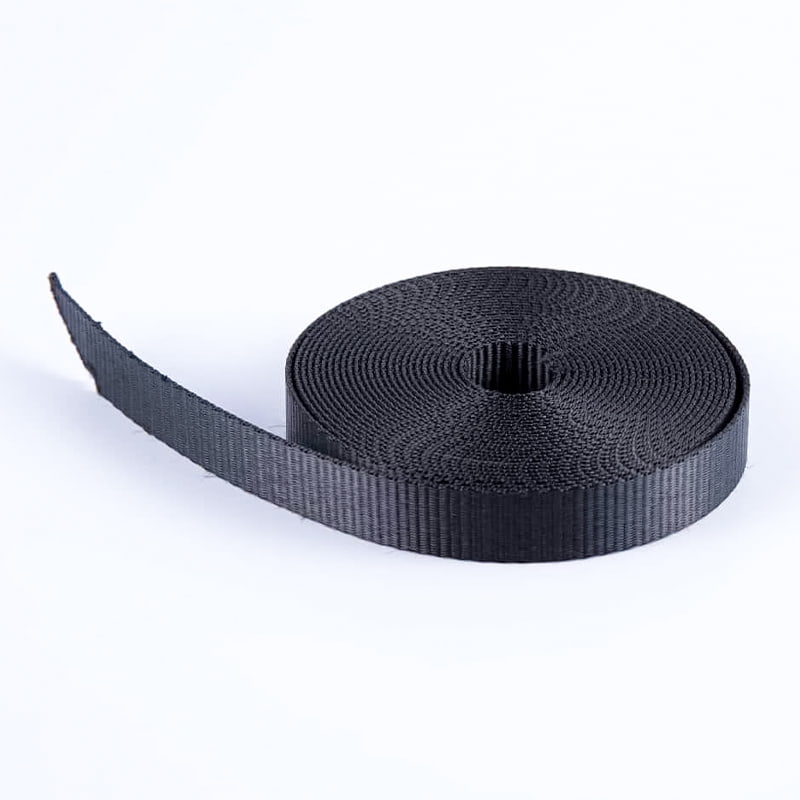
Manufacturers and product developers understand that the durability of a pet accessory relies heavily on its core material. Pet Leash Webbing serves as the structural backbone of collars, harnesses, and leads. Selecting the appropriate webbing material is a critical engineering decision. This choice impacts the product's safety, longevity, and cost-effectiveness. For B2B buyers, a deep understanding of polymer properties is essential for sourcing the right components for mass production.
Material Science: Nylon vs. Polypropylene vs. Polyester
The market offers several polymer options for webbing production. Each material presents distinct physical and chemical properties suited for different applications.
Nylon Webbing Characteristics
Nylon is widely recognized for its exceptional strength and abrasion resistance. Heavy-duty nylon webbing for dogs is the industry standard for products designed to withstand high tension. This material absorbs moisture, which can slightly affect its dimensions, but it offers high tensile strength and a smooth hand feel. It is ideal for heavy-duty applications where safety is the primary concern.
Polypropylene Webbing Properties
Polypropylene webbing for pet leashes provides a cost-effective alternative to nylon. It is lighter than nylon and floats on water. A key advantage is its resistance to mildew and rotting because it does not absorb water. However, it has a lower melting point and less abrasion resistance compared to nylon. It is a suitable choice for budget-friendly lines or products used in wet environments.
Technical Performance Comparison
Engineers must compare specific metrics when selecting materials. The choice between nylon, polypropylene, and polyester depends on the end-use environment. The following table highlights the critical technical differences between these three common webbing materials used in the pet industry.
| Property | Nylon | Polypropylene | Polyester |
| Breaking Strength (High) | Excellent | Good | Excellent |
| Water Absorption | High (approx. 6-8%) | Very Low (near 0%) | Low |
| UV Resistance | Moderate | Moderate to High | Excellent |
| Abrasion Resistance | High | Moderate | High |
| Cost | Medium | Low | Medium to High |
Specialized Applications and Webbing Types
Different product lines require specific webbing configurations to meet consumer demands and safety regulations.
Seatbelt Webbing for Dog Leashes
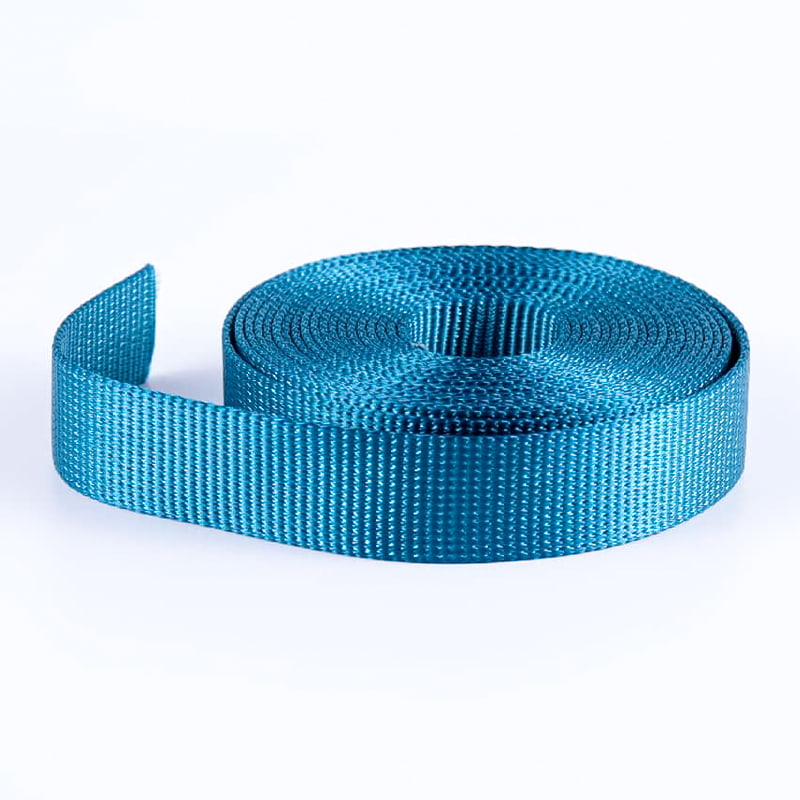
Safety is paramount for automotive-grade accessories. Seatbelt webbing for dog leashes is often sourced from manufacturers who adhere to strict automotive safety standards. This type of webbing typically has a higher thread count and tighter weave. It minimizes stretching under load. Manufacturers often use this material for vehicle restraint systems to ensure that pets remain secure during sudden stops.
Custom Printed Pet Webbing Trends
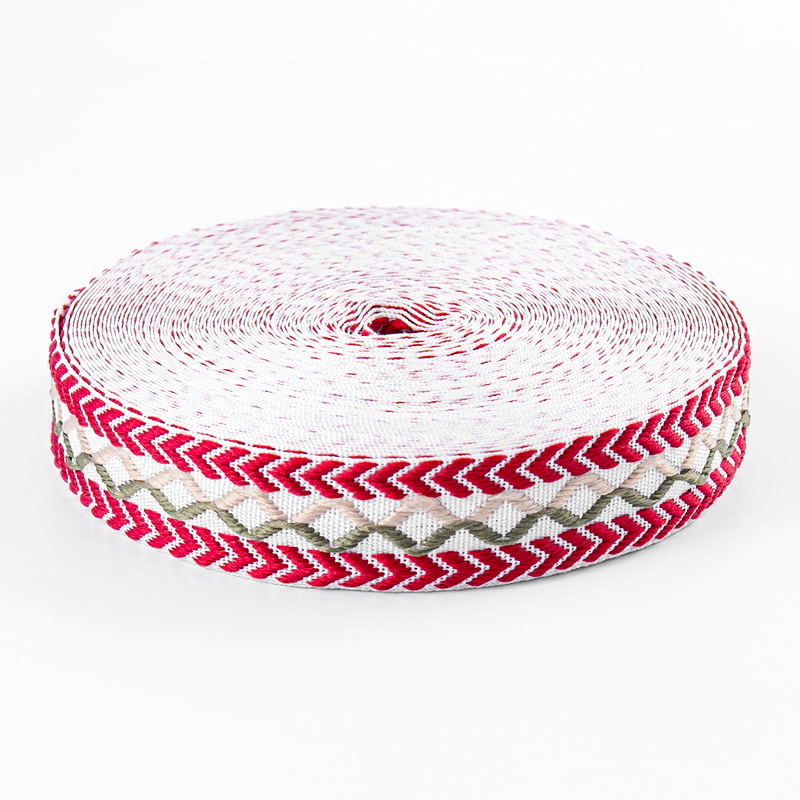
Branding plays a significant role in the competitive pet market. Custom printed pet webbing allows brands to integrate logos, patterns, and colors directly into the fabric structure. This process usually involves sublimation transfer or direct printing. Polyester is the preferred substrate for custom printing due to its ability to hold vibrant colors without fading quickly. This adds aesthetic value without compromising the structural integrity of the webbing.
B2B Sourcing and Quality Control
Wholesale Webbing for Pet Products
When sourcing wholesale webbing for pet products, consistency is the most critical factor. Batch-to-batch variation can lead to production delays and quality failures. Buyers should request technical data sheets (TDS) for every shipment. These documents verify that the Pet Leash Webbing meets the agreed specifications for width, thickness, and tensile strength.
Testing Standards and Certifications
Professional procurement teams rely on third-party testing to validate material claims. Standard tests include ASTM D5034 for breaking strength and ASTM D4970 for abrasion resistance. Certification for eco-friendly production, such as OEKO-TEX or GRS (Global Recycled Standard), is increasingly requested by environmentally conscious brands. These certifications ensure the material is free from harmful chemicals and produced sustainably.
Conclusion
Selecting the right webbing requires a balance between material science, cost management, and application needs. Nylon offers superior strength for heavy-duty applications. Polypropylene provides a lightweight and economical solution. Polyester stands out for its UV resistance and printing capabilities. By understanding these technical differences, buyers can ensure they source the best materials for their specific manufacturing requirements.
Frequently Asked Questions
- What is the strongest material for pet leash webbing?
- Does nylon webbing degrade in sunlight?
- How do I clean nylon webbing?
References
- Adanur, S. (2016). Wellington Sears Handbook of Industrial Textiles. CRC Press.
- ASTM D5034 - 21, Standard Test Method for Breaking Strength and Elongation of Textile Fabrics, ASTM International.
- Elsasser, V. H. (2010). Textiles: Concepts and Principles (3rd ed.). Fairchild Books.
- Lintingre, E., et al. (2018). "Influence of weaving parameters on the mechanical properties of webbing." Journal of Engineered Fibers and Fabrics.
- Oeko-Tex Standard 100 Limit Values. (2023). International Association for Research and Testing in the Field of Textile Ecology.