English
  中文简体
中文简体 We are a national high-tech enterprise. At present, there are many kinds of self-woven and cooperatively processed fabrics, including microfiber warp-knitted towel cloth, weft-knitted towel cloth, coral fleece, etc.
Content
- 1 Five High-Search-Volume Long-Tail Keywords for Industry Professionals
- 2 The Engineering Behind Woven Jacquard Webbing
- 3 Comparative Analysis: Woven Jacquard vs. Printed Webbing
- 4 Industrial Applications and Performance Standards
- 5 Quality Control Parameters for Bulk Procurement
- 6 Frequently Asked Questions (FAQ)
- 7 References and Further Reading
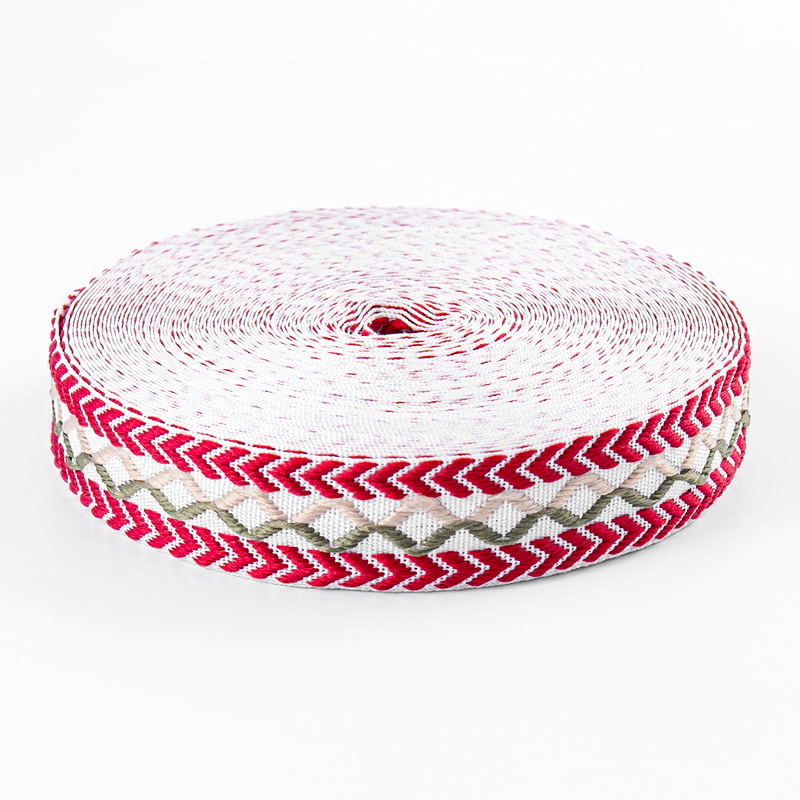
For procurement specialists, product developers, and industrial buyers, selecting the correct narrow fabric is a decision that impacts safety, durability, and brand perception. Woven Jacquard webbing stands out as a premier choice due to its unique combination of structural integrity and complex design capability. Unlike printed or plain woven alternatives, the Jacquard mechanism integrates patterns directly into the fabric's structure during weaving. This article provides a technical deep dive into the engineering, material specifications, and industrial applications of this specialized textile.
Five High-Search-Volume Long-Tail Keywords for Industry Professionals
Understanding the specific terminology used in the market helps align product specifications with buyer intent. The following terms are frequently used by engineers and procurement managers sourcing this material.
- custom polyester jacquard webbing: This term indicates a demand for bespoke design capabilities with a specific focus on the most common industrial fiber, polyester.
- Heavy-duty woven jacquard strap: A performance-driven query focusing on tensile strength and load-bearing capacity for applications like safety harnesses or gear.
- narrow fabric jacquard tape: This technical term is often used in the apparel and automotive sectors to specify the material's form factor (tape) and construction method.
- Flat woven jacquard webbing for bags: An application-specific keyword that combines the construction type with a common end-use, highlighting the need for aesthetic appeal and structural performance.
- eco-friendly recycled polyester webbing: Reflects the growing demand for sustainable materials in supply chains, requiring certifications and verified material sources.
The Engineering Behind Woven Jacquard Webbing
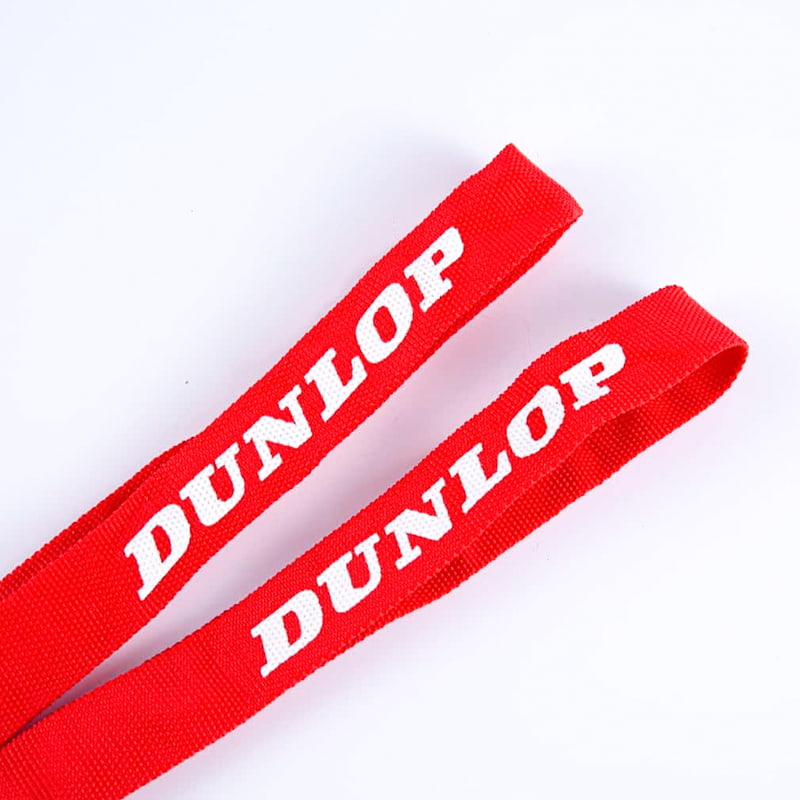
The term "Jacquard" refers to a specific weaving mechanism attached to a loom that allows for the individual control of warp yarns. This technology enables the creation of intricate, repeating patterns directly into the structure of the webbing. Unlike dobby weaving, which is limited to simpler geometric textures, Jacquard weaving can produce curves, logos, and complex imagery. For B2B buyers, this means that branding and identification marks are inherently part of the material, ensuring they cannot peel, fade, or wear off like printed labels.
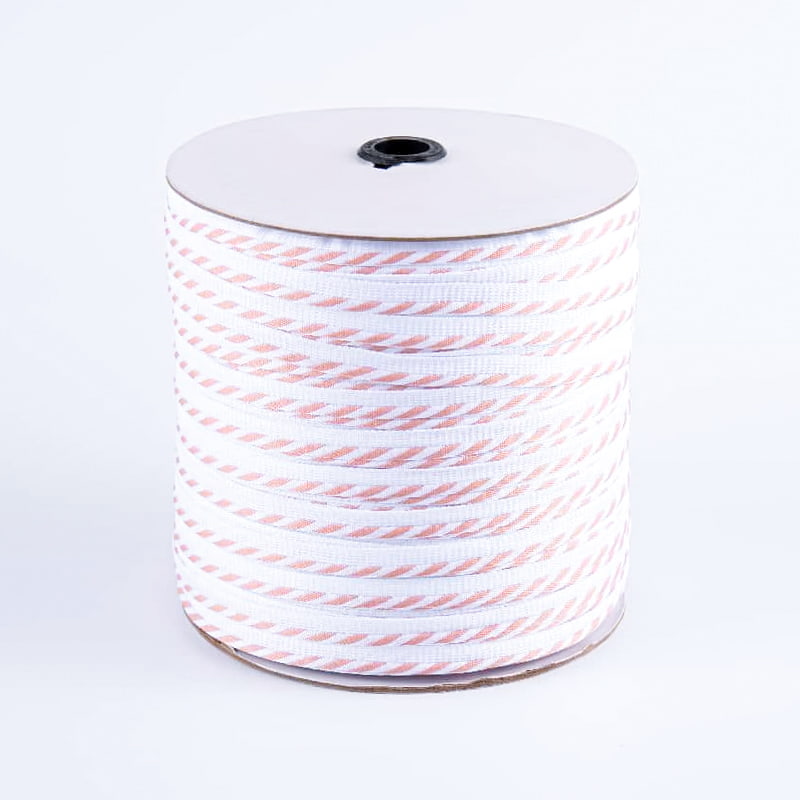
Material Composition and Fiber Properties
The performance of woven Jacquard webbing is fundamentally determined by its fiber content. Polyester is the industry standard due to its excellent strength-to-weight ratio, low stretch, and UV resistance. Nylon offers higher tenacity and elasticity, making it suitable for shock-absorbing applications such as tie-downs and climbing gear. Polypropylene is chosen for its lightweight nature and resistance to moisture and chemicals, though it has a lower melting point and UV resistance compared to polyester.
Common Industrial Fiber Specifications
- Polyester (PET): Tensile strength ranges from 6 to 9 grams per denier. It exhibits minimal elongation (15-25% at break) and excellent resistance to sunlight and abrasion. It is the preferred material for custom polyester jacquard webbing.
- Nylon (Polyamide): Higher tensile strength (up to 9.5 grams per denier) with greater elasticity (20-40% elongation). It absorbs more moisture and loses some strength when wet, but has superior impact resistance.
- Polypropylene: Lower density, meaning it floats in water. Tensile strength ranges from 4.5 to 7 grams per denier. It is highly resistant to chemicals and moisture absorption.
Weave Structures and Their Impact on Performance
The structural integrity of heavy duty woven jacquard strap comes from its weave pattern. The three primary weaves used in Jacquard webbing each offer distinct mechanical properties.
| Weave Type | Structural Characteristics | Primary Application |
|---|---|---|
| Plain Weave (Tabby) | Warp and weft yarns cross alternately. Provides maximum stability and firmness. It is the most common base for intricate jacquard patterns requiring a stable ground. | Bag handles, belts, and general-purpose straps where firmness is required. |
| Twill Weave | Characterized by a diagonal rib. Offers greater flexibility and drape compared to plain weave while maintaining good strength. It allows for higher thread density. | Apparel trims, decorative sashes, and applications requiring a softer hand feel. |
| Satin Weave | Warp yarns "float" over multiple weft yarns before interlacing. Creates a smooth, lustrous surface ideal for highlighting intricate jacquard patterns, but can be less stable. | High-end fashion accessories, decorative ribbons, and luxury packaging. |
When sourcing flat woven jacquard webbing for bags, a plain or twill weave is typically specified to ensure the strap can withstand the repeated stress of carrying a load without distorting the pattern.
Comparative Analysis: Woven Jacquard vs. Printed Webbing
A common point of confusion in the industry is the difference between Jacquard-woven and digitally printed webbing. For B2B applications, understanding this distinction is critical for product longevity and cost analysis. The table below outlines the technical and economic differences.
| Property | Woven Jacquard Webbing | Printed (Silkscreen/Digital) Webbing |
|---|---|---|
| Pattern Durability | Integral to the structure, pattern yarns are physically interwoven. Resistant to abrasion, washing, and UV fading. | The pattern is applied to the surface. Susceptible to cracking, peeling, and fading over time. |
| Design Complexity | Unlimited complexity, including fine text, logos, and multi-color patterns. Pattern is visible on both sides (may be reversed). | High complexity possible, but typically limited to one side. Fine detail can be lost on textured webbing surfaces. |
| Tensile Strength | High. The weaving process does not compromise the fiber integrity. | Variable. Heat or pressure from printing can sometimes weaken fibers, especially with coated prints. |
| Minimum Order Quantities (MOQ) | Typically higher due to loom setup and Jacquard card/pattern creation costs. | Lower MOQs are possible, making it suitable for short runs or prototypes. |
| Cost Per Unit (Large Volumes) | Decreases significantly with volume; highly cost-effective for large production runs. | Remains relatively higher for large volumes compared to woven due to per-piece processing time. |
For long-lasting products like pet collars, premium bag straps, or safety equipment, the investment in woven Jacquard webbing is justified by its superior lifecycle performance compared to printed alternatives.
Industrial Applications and Performance Standards
Narrow fabric jacquard tape is specified across numerous industries where both form and function are non-negotiable. In the automotive sector, it is used for interior pull straps and seat belt trim, where it must meet strict flammability and abrasion standards (e.g., FMVSS 302). In the outdoor gear industry, backpacks and tactical vests utilize heavy-duty woven versions for shoulder straps and load-lifting handles, often requiring specific breaking strength certifications (e.g., ASTM D6770).
Sustainability and Supply Chain Transparency
The demand for eco-friendly recycled polyester webbing is reshaping procurement strategies. Manufacturers are now producing Jacquard webbing using Global Recycled Standard (GRS) certified post-consumer PET bottles. This material retains approximately 85-95% of the tensile strength of virgin polyester, making it a viable substitute for a wide range of applications. For B2B buyers, specifying recycled content can contribute to corporate sustainability goals and meet the requirements of environmentally conscious end-users.
Quality Control Parameters for Bulk Procurement
When sourcing custom polyester jacquard webbing for large-scale manufacturing, buyers should verify several key parameters to ensure batch-to-batch consistency. These include verifying the exact width tolerance (typically +/- 1 mm for standard widths), confirming the breaking strength through independent lab testing, and inspecting the pattern registration and color fastness (AATCC 61 standard). A professional supplier should provide a technical data sheet detailing these specifications alongside the commercial offer.
Frequently Asked Questions (FAQ)
What is the maximum width available for woven Jacquard webbing?
Industrial Jacquard looms for narrow fabrics typically produce webbing up to 100mm (approximately 4 inches) in width. However, specialized needle looms can produce wider panels. For widths exceeding 150mm, the fabric is often classified as "narrow fabric" but is technically a woven tape. It is essential to discuss your specific width requirements with the manufacturer, as loom capabilities vary and wider widths may impact production costs and minimum order quantities.
How does the cost of custom polyester jacquard webbing compare to plain webbing?
The primary cost driver for woven Jacquard webbing is the initial setup, which includes creating the digital pattern file and preparing the Jacquard harness on the loom. This setup cost is amortized across the production run. For small quantities (e.g., under 500 meters), the per-meter cost will be significantly higher than plain webbing. However, for large production runs (e.g., over 5,000 meters), the per-meter cost difference narrows considerably, making it a highly economical choice for adding permanent branding and design.
Is heavy duty woven jacquard strap suitable for load-bearing safety applications?
Yes, but it requires careful engineering. Heavy-duty woven jacquard straps can be manufactured to meet specific load ratings, such as those required for pet safety harnesses, cargo tie-downs, or recreational gear. However, the Jacquard pattern introduces changes in the fabric's cross-section, which can create stress concentrations. For safety-critical applications, the webbing must be engineered with a reinforced selvedge, and the pattern must be designed to avoid significantly reducing the effective breaking strength. Always request certification and test data for the specific end-use load requirements.
References and Further Reading
- ASTM International. (2023). ASTM D6770 - Standard Test Method for Breaking Strength of Webbing.
- Textile Institute. (2020). Textile Terms and Definitions (12th ed.). Manchester: Textile Institute.
- Society of Automotive Engineers. (2022). FMVSS 302 - Flammability of Interior Materials.
- AATCC. (2021). AATCC Test Method 61-2020, Colorfastness to Laundering.
- Textile Exchange. (2023). Global Recycled Standard (GRS) Version 5.0.
- Murphy, B. (2022). "Jacquard Weaving: Principles and Industrial Applications," Journal of Industrial Textiles, 51(3), 215-230.