English
  中文简体
中文简体 We are a national high-tech enterprise. At present, there are many kinds of self-woven and cooperatively processed fabrics, including microfiber warp-knitted towel cloth, weft-knitted towel cloth, coral fleece, etc.
Content
- 1 1. Understanding the Technical Edge of Hollow Construction
- 2 2. Versatile Applications Across Industrial and Consumer Sectors
- 3 3. Designing for Comfort and Aesthetics
- 4 4. Manufacturing Excellence: Why Source from Fengrun Rope Weaving?
- 5 5. Comparative Analysis: PP vs. Other Synthetic Fibers
- 6 6. Frequently Asked Questions (FAQ)
- 7 References
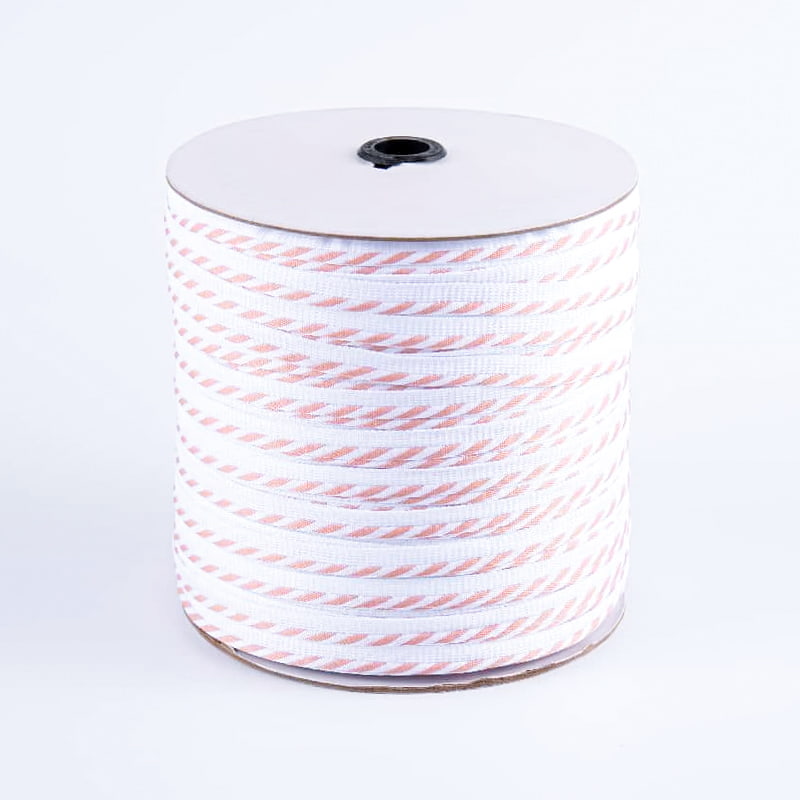
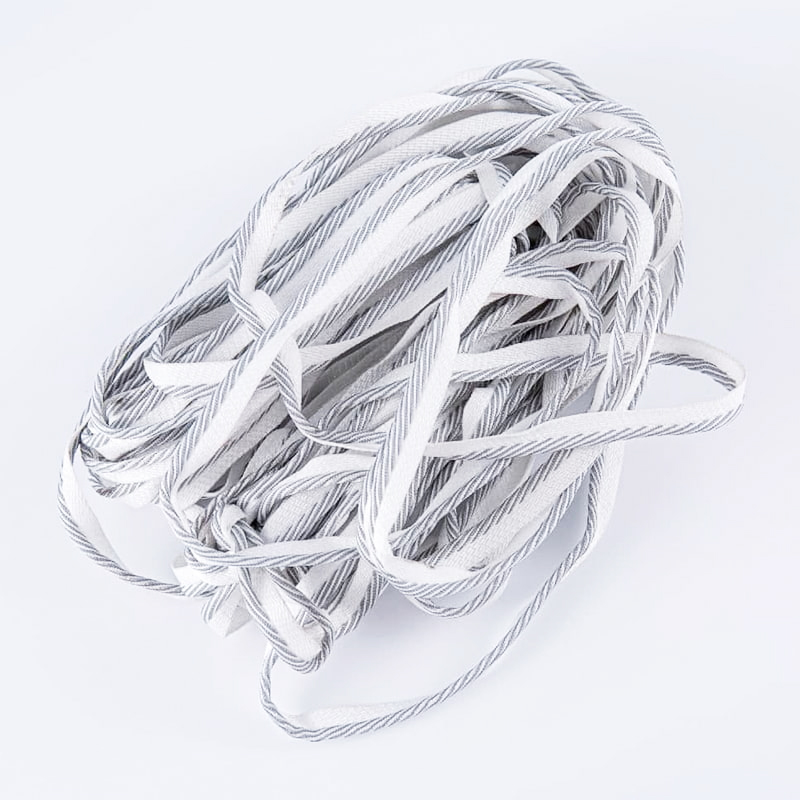
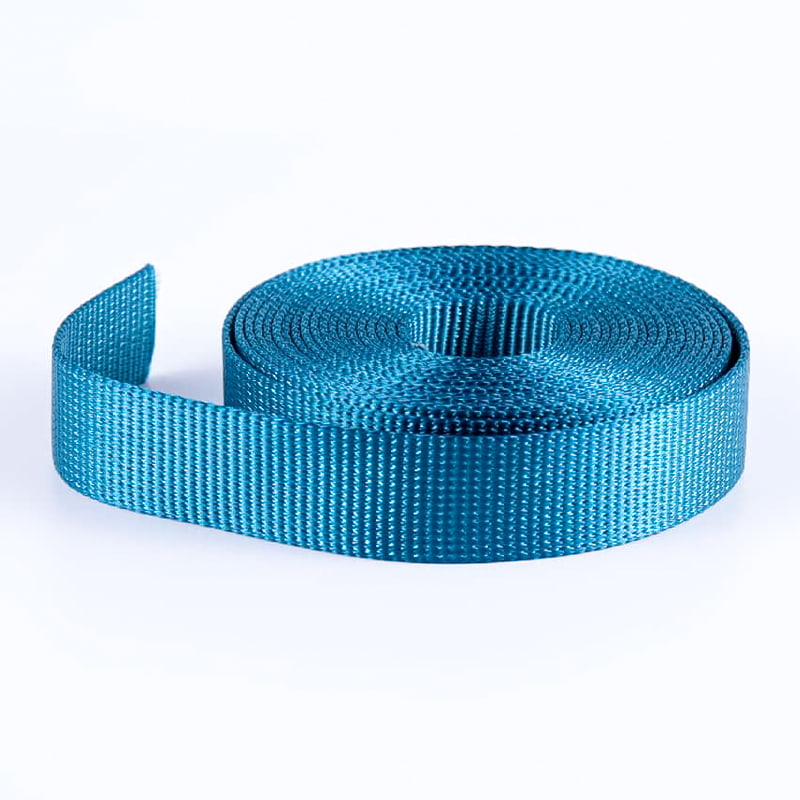
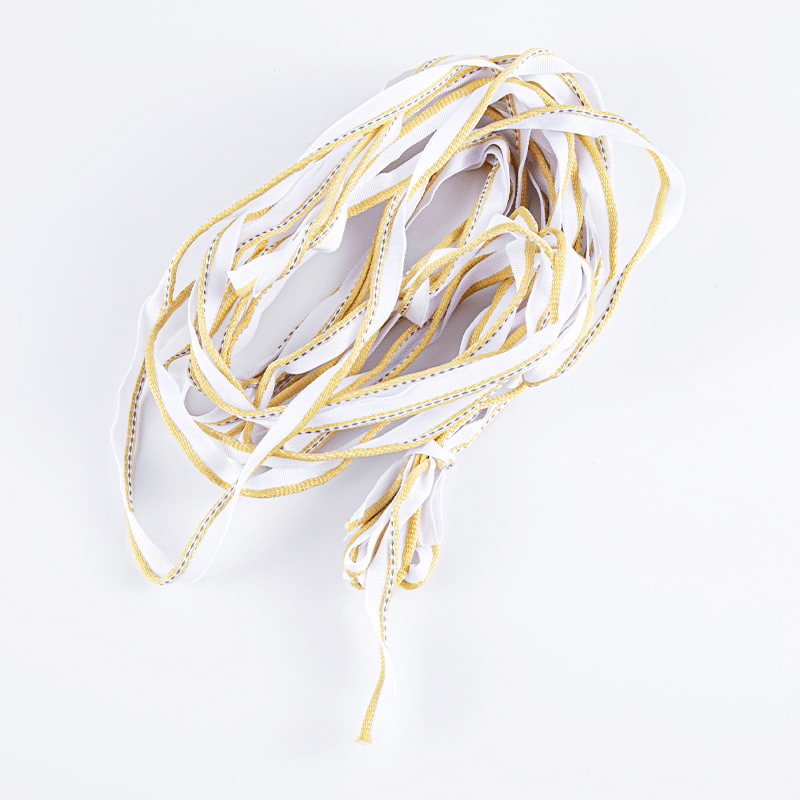
For engineers and procurement specialists in the textile industry, selecting the right narrow fabric involves a deep analysis of polymer science and structural mechanics. Polypropylene Hollow Webbing has emerged as a critical component in technical applications due to its unique combination of low specific gravity and high resistance to environmental degradation. Unlike solid-core webbings, the hollow architecture allows for significant energy absorption and easy splicing, making it indispensable for high-performance projects.
1. Understanding the Technical Edge of Hollow Construction
The Mechanics of Tubular vs. Flat Weave
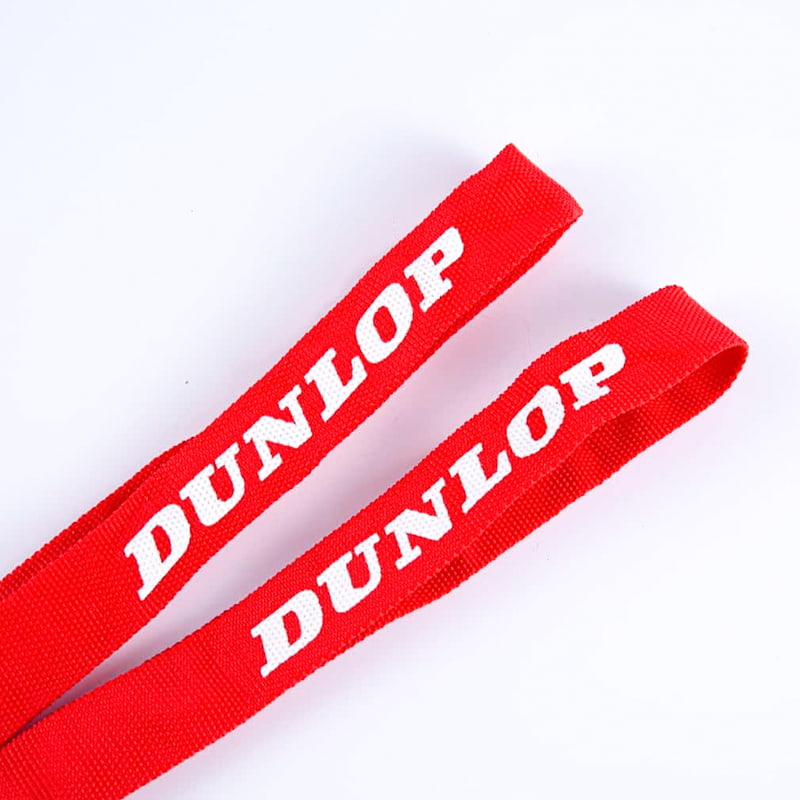
The primary advantage of a hollow or tubular weave is its ability to flatten under load while maintaining a rounded edge profile, which significantly reduces edge-wear and abrasion. While standard flat webbing is prone to "curling" under high tension, the hollow structure distributes stress across a larger surface area. This cross-sectional stability is vital for maintaining the integrity of the fibers over long-term mechanical cycling.
Material Science: Why Polypropylene (PP)?
Polypropylene is a thermoplastic polymer with a density of approximately 0.91 g/cm³, which is lower than water, allowing the webbing to float. It offers superior resistance to acids, bases, and organic solvents compared to organic fibers or other synthetics like Nylon.
| Fiber Type | Specific Gravity | Moisture Regain | Chemical Resistance |
| Polypropylene | 0.91 (Floats) | < 0.1% | Excellent |
| Nylon (Polyamide) | 1.14 | 4.0% - 8.5% | Fair to Good |
| Polyester | 1.38 | 0.4% | Good |
2. Versatile Applications Across Industrial and Consumer Sectors
Heavy Duty Performance: Heavy duty polypropylene hollow webbing for industrial slings
In the material handling sector, Heavy duty polypropylene hollow webbing for industrial slings provides a lightweight alternative to steel cables or heavy polyester straps. Its inherent dampening properties help absorb shock loads during lifting operations. Because it does not absorb water, the tensile strength remains constant regardless of humidity or submersion, a critical safety factor in offshore or dockside environments.
Safety and Reliability: High tensile strength polypropylene hollow flat webbing
When engineered for safety restraints, High tensile strength polypropylene hollow flat webbing utilizes high-tenacity multi-filament yarns. The "hollow-flat" hybrid design allows for the insertion of internal padding or stiffeners if required, while providing a break strength that rivals much heavier materials. This makes it ideal for specialized tie-downs and harness systems.
Outdoor Resilience: UV resistant polypropylene hollow tubular webbing
Standard polypropylene is sensitive to thermal-oxidative degradation. However, by incorporating HALS (Hindered Amine Light Stabilizers) during the extrusion process, we produce UV resistant polypropylene hollow tubular webbing. This technical enhancement ensures that the molecular chains remain intact even after prolonged exposure to high-intensity solar radiation, preventing the brittleness commonly associated with lower-grade PP products.
3. Designing for Comfort and Aesthetics
Pet Care Innovation: Bulk polypropylene hollow webbing for pet leashes
Manufacturers looking for Bulk polypropylene hollow webbing for pet leashes prioritize the material’s "soft-on-the-hand" feel. The hollow core creates a cushioned effect that prevents "leash burn" for the handler, while the lightweight nature of the PP fiber ensures the leash does not become heavy when wet, unlike cotton or nylon alternatives.
Fashion and Accessory Integration: Soft touch polypropylene hollow braid webbing for bags
For the luggage and garment industries, Soft touch polypropylene hollow braid webbing for bags offers a premium aesthetic without the cost of natural fibers. Through advanced texturizing processes, the webbing achieves a matte, cotton-like finish while retaining the rugged durability of a synthetic polymer. This is particularly effective for adjustable shoulder straps where smooth movement through plastic or metal hardware is required.
4. Manufacturing Excellence: Why Source from Fengrun Rope Weaving?
24 Years of Precision Manufacturing in Haining
Fengrun Rope Weaving Co., Ltd., established in 2000 in Haining, Zhejiang, is a professional manufacturer of ropes, webbing, braided belts, waistbands, and garment accessories. Equipped with a variety of modern machinery, the company operates under strict quality control and maintains a strong technical team. Through years of steady growth, Fengrun has built its own brand by focusing on innovation and quality.
Material Versatility and Customization Capacities
The company continuously improves both its products and workforce, supported by an efficient management system. We produce ropes and Polypropylene Hollow Webbing from materials including polypropylene, polyester, cotton, and nylon, available in multiple colors and specifications. Our products are widely used in sofas, toys, bags, straps, garments, and export goods. Custom orders based on samples are welcome, and we ensure reliable quality, competitive pricing, and on-time delivery.
- Infrastructure: Modern high-speed needle looms and braiding machines.
- Principles: "Quality and Innovation in Equal Measure."
- Capabilities: Durable, wear-resistant ropes with a wide color range and UV stabilization.
5. Comparative Analysis: PP vs. Other Synthetic Fibers
When comparing Polypropylene to Nylon and Polyester, PP excels in moisture management and chemical inertness, though it has a lower melting point. This makes it the superior choice for marine and chemical environments where weight and buoyancy are key performance indicators.
| Property | Polypropylene (PP) | Nylon 6,6 | Polyester (PET) |
| Abrasion Resistance | Moderate to High | Excellent | High |
| UV Stability | Requires Additives | Moderate | High |
| Weight (Dry) | Lightest | Moderate | Heavy |
| Cost Efficiency | Highest | Lower | Moderate |
6. Frequently Asked Questions (FAQ)
Q1: Is Polypropylene Hollow Webbing safe for use in water?
Yes, because polypropylene has a specific gravity of less than 1.0, it naturally floats. Combined with its near-zero moisture absorption, it is the preferred material for water rescue lines and marine tie-downs.
Q2: Can I get UV protection in bright colors?
Absolutely. Our UV resistant polypropylene hollow tubular webbing is available in a wide color range. The UV stabilizers are added to the masterbatch, ensuring protection is integrated throughout the fiber, not just on the surface.
Q3: What is the benefit of "Hollow" over "Solid" webbing for bags?
For Soft touch polypropylene hollow braid webbing for bags, the hollow structure provides a thicker, more premium "hand-feel" without adding significant weight or cost, enhancing the perceived value of the final product.
Q4: How does the tensile strength compare to steel?
While steel is stronger by volume, High tensile strength polypropylene hollow flat webbing has a much higher strength-to-weight ratio, making it easier to handle and less likely to cause damage to the cargo being secured.
Q5: Does Fengrun support custom branding or sizing?
Yes, we welcome custom orders based on samples. We can adjust width, thickness, color, and tensile strength to meet specific industrial or fashion requirements.
References
- Mather, R. R., & Wardman, R. H. (2015).The Chemistry and Physics of Speciality Polymers. Royal Society of Chemistry.
- Hearle, J. W. S. (2001).High-performance Fibres. Woodhead Publishing.
- American Society for Testing and Materials (ASTM). (2021).Standard Test Methods for Breaking Force and Elongation of Textile Fabrics(ASTM D5034).