

 English
  中文简体
中文简体 We are a national high-tech enterprise. At present, there are many kinds of self-woven and cooperatively processed fabrics, including microfiber warp-knitted towel cloth, weft-knitted towel cloth, coral fleece, etc.

Custom Polypropylene Tubular Webbing Manufacturers
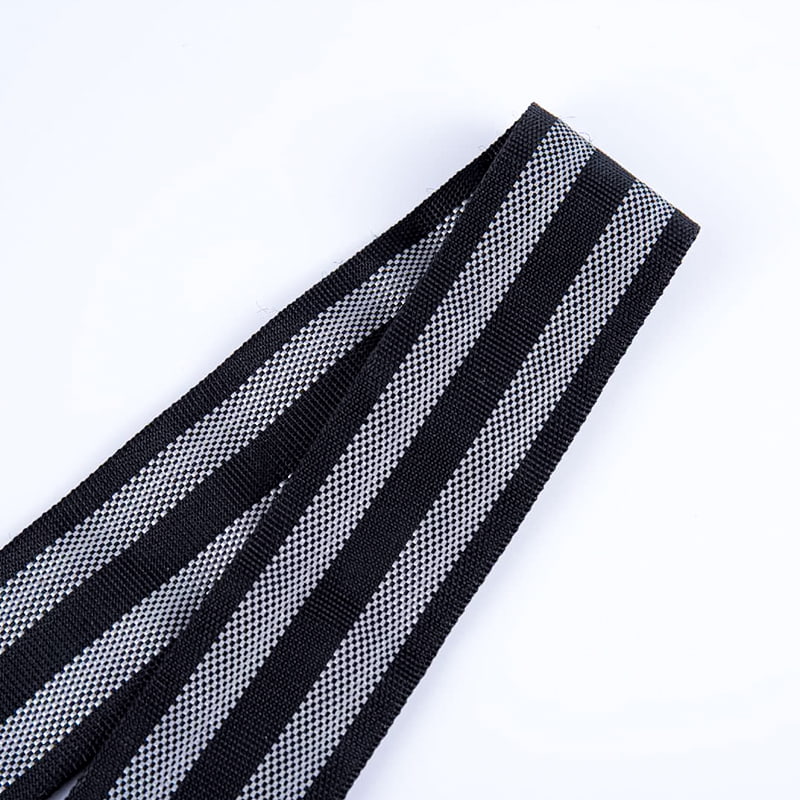
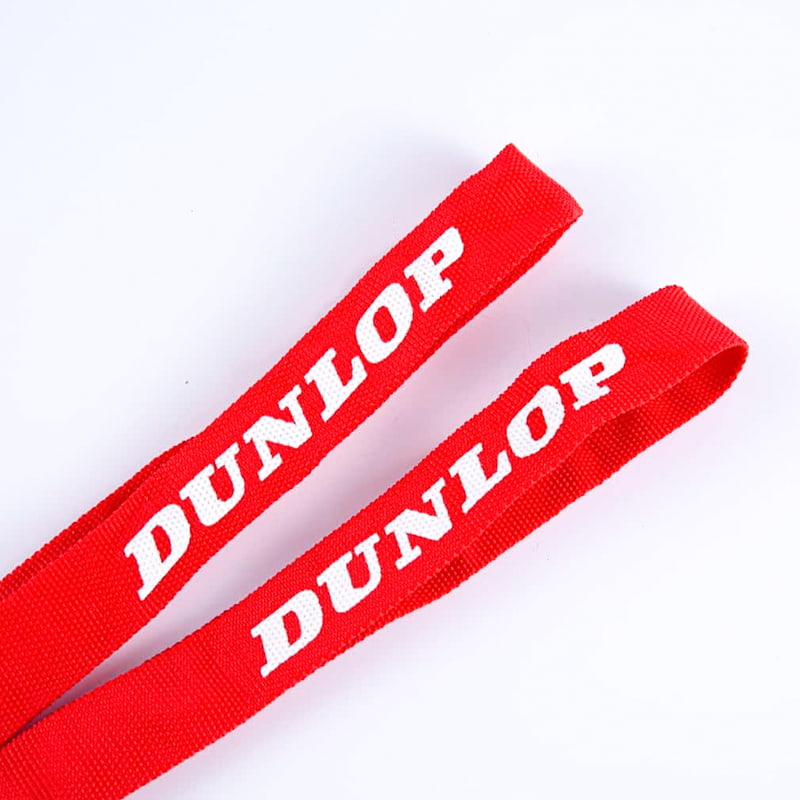
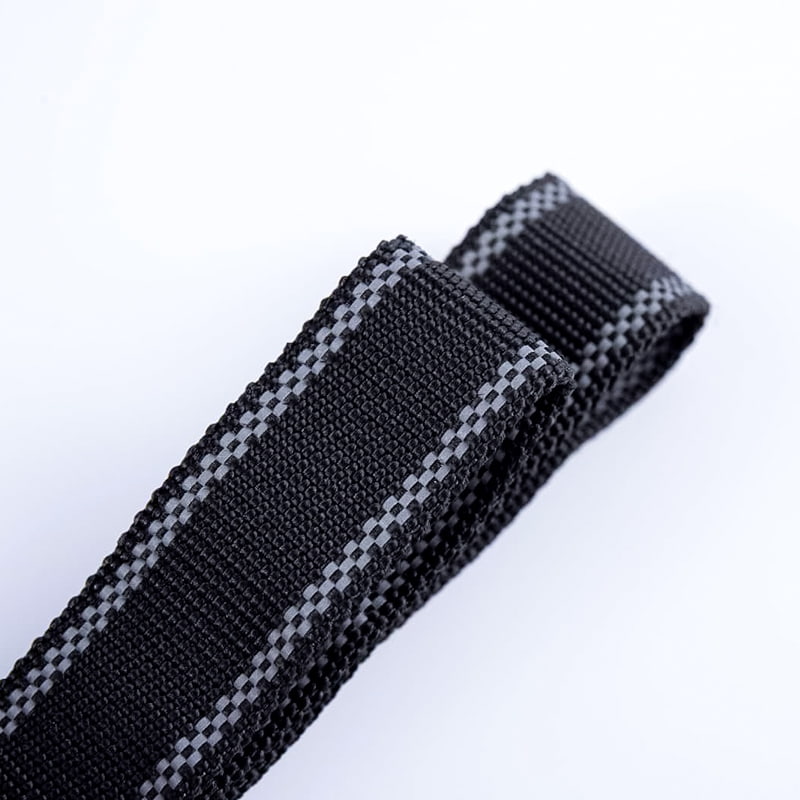
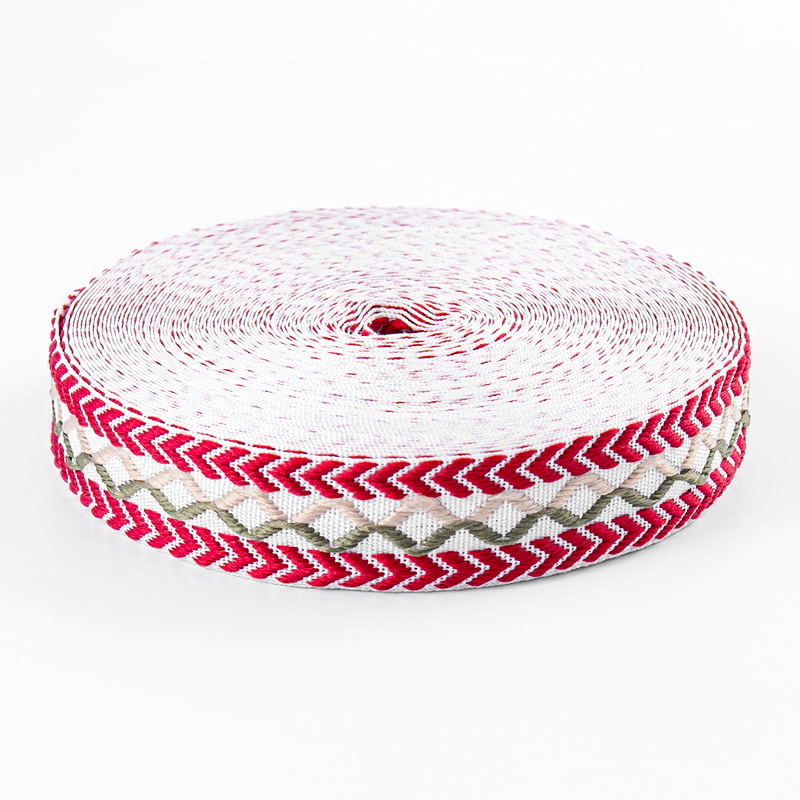
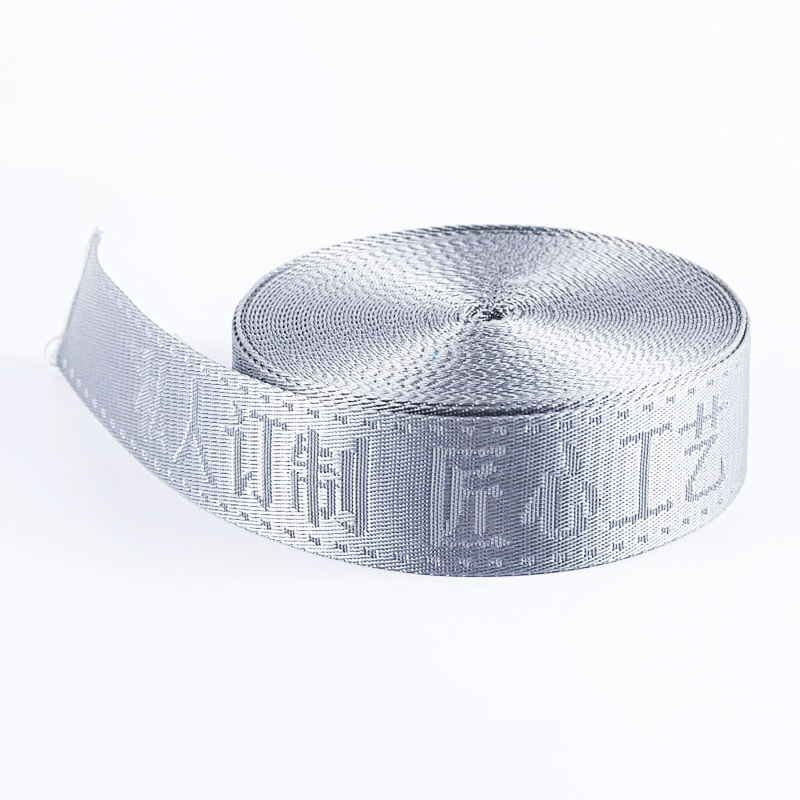
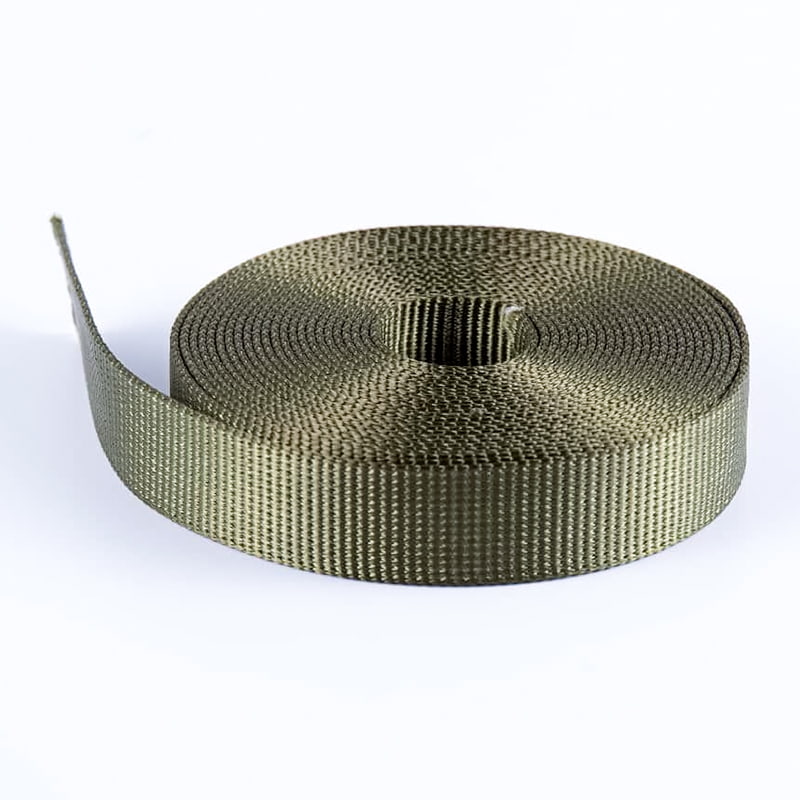
Polypropylene hollow webbing is a specialized webbing made of polypropylene with a unique structure and applications. Polypropylene hollow rope, a widely used rope, features a four-needle weave, a hollow structure, and is cuttable and customizable. It is suitable for a variety of applications, including apparel, toys, packaging, and DIY. This further demonstrates the potential for polypropylene hollow webbing in various fields.
Polypropylene hollow webbing is a specialized webbing made of polypropylene with excellent physical and processing properties. It is widely used in sports equipment, packaging, DIY, and protective applications. Its rational structural design makes it easy to use and maintain, demonstrating its excellent practicality and market prospects.

Haining Fengrun Rope Weaving Co., Ltd.
 Contact Us
About Us
Haining Fengrun Rope Weaving Co., Ltd. is China Custom
Polypropylene Webbing Straps Manufacturers and
Polypropylene Tubular Webbing Suppliers, a professional weaving enterprise specializing in various rope and webbing products. Established in 2004, Fengrun operates with advanced manufacturing equipment, strict factory management, and innovative production concepts. With strong technical capabilities, we are a specialized manufacturer and supplier of high-quality tape and cord products. We offer
Polypropylene Hollow Webbing for sale.
Contact Us
Pay attention to our latest news and exhibitions
READ OUR BLOG
-
Mar 17, 2026
Why Choose Polyester Webbing Straps for Your Projects?
Fengrun Rope Weaving Co., Ltd. was established in 2000 in Haining, Zhejiang. We specialize in manufacturing ropes, webbing, braided belts, waistbands, and garment accessories. With a strong technical team and advanced machinery, we provide high-quality products that meet international standards. Our...
READ MORE -
Mar 10, 2026
What is the Best Webbing for Pet Leashes?
Introduction: The Critical Role of Material in Pet Safety In the pet product manufacturing industry, the reliability of a leash is fundamentally determined by the quality of its raw materials. Pet Leash Webbing serves as the primary load-bearing component, tasked with securing animals of varying str...
READ MORE -
Mar 02, 2026
What Is Jacquard Webbing? A Complete Guide
In the technical textiles industry, Jacquard webbing represents the pinnacle of functional aesthetics. Unlike printed or basic woven straps, Jacquard webbing integrates complex patterns directly into the fabric's structure during the weaving process. This guide provides a deep technical dive into it...
READ MORE
Polypropylene Hollow Webbing Industry Knowledge
Why Choose Polypropylene Hollow Webbing for Industrial Applications?
In contemporary material engineering, polypropylene hollow webbing has emerged as a critical structural and functional component across a broad range of industries. Known for its lightweight, tensile strength, and resistance to environmental stress, this category of synthetic webbing—also referred to as polypropylene tubular webbing—has become indispensable in sectors such as safety gear, luggage, furniture, and outdoor equipment.
Material Composition and Structural Advantages
Polypropylene hollow webbing is produced through high-density weaving of polypropylene fibers, forming a tubular or hollow internal structure. This configuration significantly enhances its flexibility and strength-to-weight ratio, allowing the webbing to sustain dynamic loads without deformation. Compared to solid webbing, the hollow form offers better compressive resistance and improved softness, making it suitable for products that require ergonomic performance and comfort.
The inherent properties of polypropylene—such as its chemical inertness, hydrophobicity, and resistance to UV exposure—further enhance its long-term stability. It resists corrosion from moisture, acids, and alkaline solutions, extending product life under outdoor or marine conditions. These characteristics make polypropylene tubular webbing particularly useful in outdoor furniture, marine ropes, climbing harnesses, and luggage accessories where durability and resilience are paramount.
Manufacturing Process and Quality Control
The production of polypropylene hollow webbing involves several key steps: fiber extrusion, weaving, heat setting, and post-treatment. Each phase determines the final product’s physical integrity and performance precision. Advanced looms and digital control systems are used to ensure uniform density and tight weaving patterns, avoiding internal stress points that could compromise the webbing’s structure.
Haining Fengrun Rope Weaving Co., Ltd. is a professional manufacturer of ropes and webbing products. The company utilizes automated production lines and modern weaving technology to ensure product consistency. A dedicated R&D department can customize webbing styles, tensile strength grades, and sizes according to specific customer needs. Strong laboratory capabilities and comprehensive testing equipment ensure that every polypropylene webbing meets international quality standards.
Performance and Application Scenarios
Polypropylene tubular webbing is distinguished by its combination of mechanical performance and cost efficiency. Its high elongation at break and excellent recovery rate allow it to absorb energy effectively, reducing stress on connected components. This makes it ideal for securing systems, reinforcement applications, and dynamic environments.
In industrial safety equipment, it is used in load-bearing harnesses and lifting slings due to its excellent weight-to-strength ratio. In consumer products, the material is favored for bag straps, belts, and sports accessories, where flexibility and aesthetic versatility are key. The hollow design permits easy insertion of cords or reinforcements, enhancing both functionality and appearance.
Beyond mechanical use, polypropylene hollow webbing’s chemical stability enables it to perform in environments exposed to oils, solvents, or temperature fluctuations. Its low water absorption ensures dimensional stability, maintaining consistent performance even under wet or humid conditions.
Sustainability and Eco-Friendly Production
The environmental advantages of polypropylene are increasingly relevant in today’s manufacturing climate. The polymer is fully recyclable, and its production requires less energy compared to many alternatives. Haining Fengrun Rope Weaving Co., Ltd. integrates sustainability at every stage—from raw material selection to process optimization. The company employs recycled polypropylene fibers and low-carbon manufacturing techniques to minimize ecological impact.
By adhering to green production principles, Fengrun supports customers’ environmental compliance and corporate sustainability initiatives. Its polypropylene webbing straps combine durability with recyclability, providing a responsible solution for industries seeking reduced carbon footprints without compromising on product performance.
Customization and Design Flexibility
One of the defining advantages of polypropylene hollow webbing lies in its adaptability. Through advanced weaving and dyeing technologies, it can be manufactured in diverse colors, textures, and widths. This flexibility allows designers to integrate both technical and aesthetic functions into their products.
Fengrun’s customization capabilities reflect the industry’s evolving needs. The company’s R&D team collaborates closely with clients, developing new patterns or structures based on drawings or physical samples. This ensures each polypropylene tubular webbing aligns precisely with its intended application—whether that involves abrasion resistance for industrial straps or softness and vivid color for consumer goods.
Moreover, Fengrun’s production diversity extends beyond polypropylene to include polyester, cotton, and nylon webbing, offering integrated solutions for multi-material applications. This comprehensive approach enhances competitiveness in both domestic and international markets.
Economic and Industrial Competitiveness
From a manufacturing standpoint, polypropylene hollow webbing delivers substantial economic advantages. The polymer’s relatively low cost, combined with its high yield-to-weight ratio, allows producers to achieve efficient material utilization. This translates into cost-effective production without sacrificing mechanical integrity.
Fengrun emphasizes operational efficiency throughout its workflow. From order confirmation to delivery, its streamlined processes and rigorous quality control ensure quick turnaround times. This competitive speed, coupled with dependable quality, positions the company as a reliable supplier in the global webbing market. Its emphasis on punctual delivery and customer collaboration enhances long-term business stability, which is essential in a fast-paced industrial environment.
Future Development and Technological Outlook
The future of polypropylene webbing straps lies in performance optimization and sustainable material innovation. As regulatory standards for recyclability tighten, research continues into bio-based polypropylene and additive-modified polymers that further reduce environmental impact while improving tensile performance and heat resistance.
Automation and intelligent production are also reshaping the webbing industry. Smart looms capable of real-time monitoring and quality feedback minimize waste and enhance precision. Additionally, hybrid weaving technologies are expanding the scope of polypropylene hollow webbing applications. By combining polypropylene with high-modulus fibers such as aramid or polyester, manufacturers can achieve specific strength or elasticity targets, opening opportunities in automotive, aerospace, and medical device fields.
Conclusion
Polypropylene hollow webbing exemplifies the convergence of material science, industrial precision, and environmental awareness. Its structural integrity, chemical stability, and design flexibility make it an essential component in both industrial and consumer applications. As industries demand lighter, stronger, and greener materials, polypropylene tubular webbing continues to demonstrate its relevance and adaptability.
PRODUCT

-

Boru Village, Zhouwangmiao Town, Haining City, Zhejiang China
-

+86-13957379333
-

Copyright © Haining Fengrun Rope Weaving Co., Ltd. Rights Reserved Custom Polypropylene Hollow Webbing Suppliers

