

 English
  中文简体
中文简体 We are a national high-tech enterprise. At present, there are many kinds of self-woven and cooperatively processed fabrics, including microfiber warp-knitted towel cloth, weft-knitted towel cloth, coral fleece, etc.

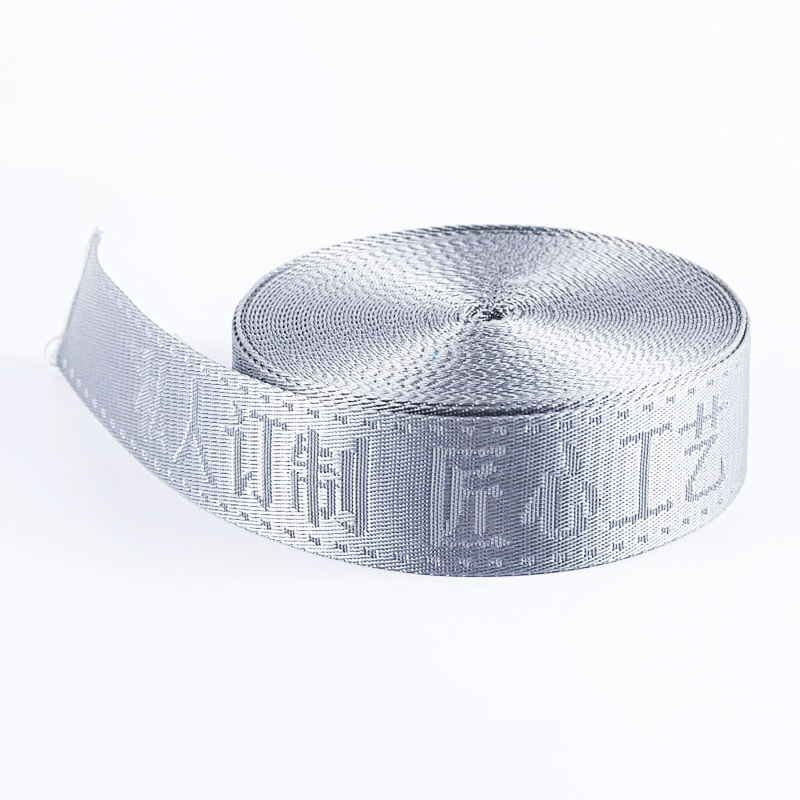
Custom Cotton Webbing for Pet Training Leashes Manufacturers
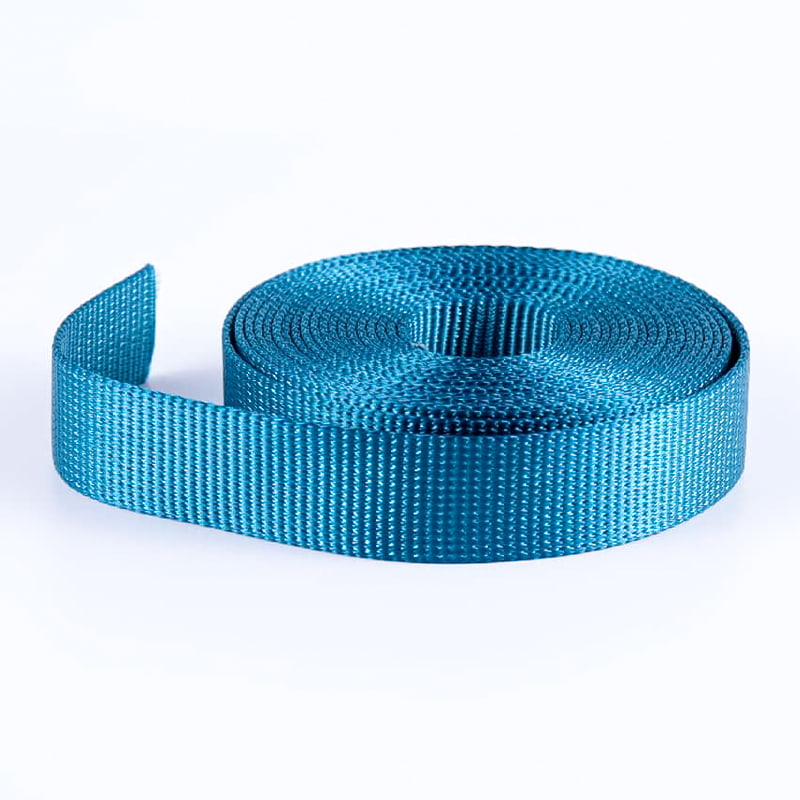
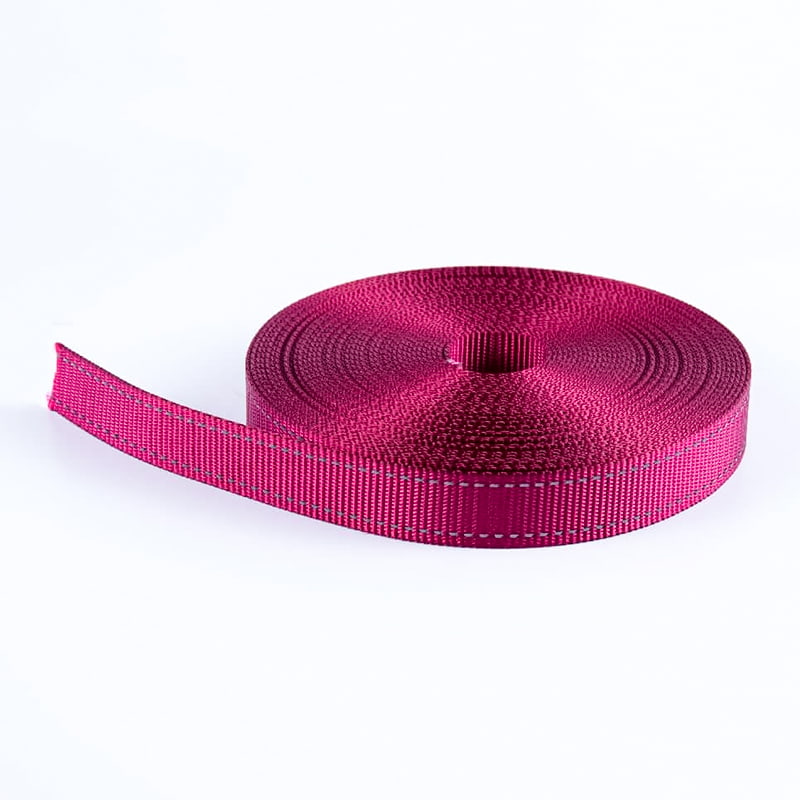
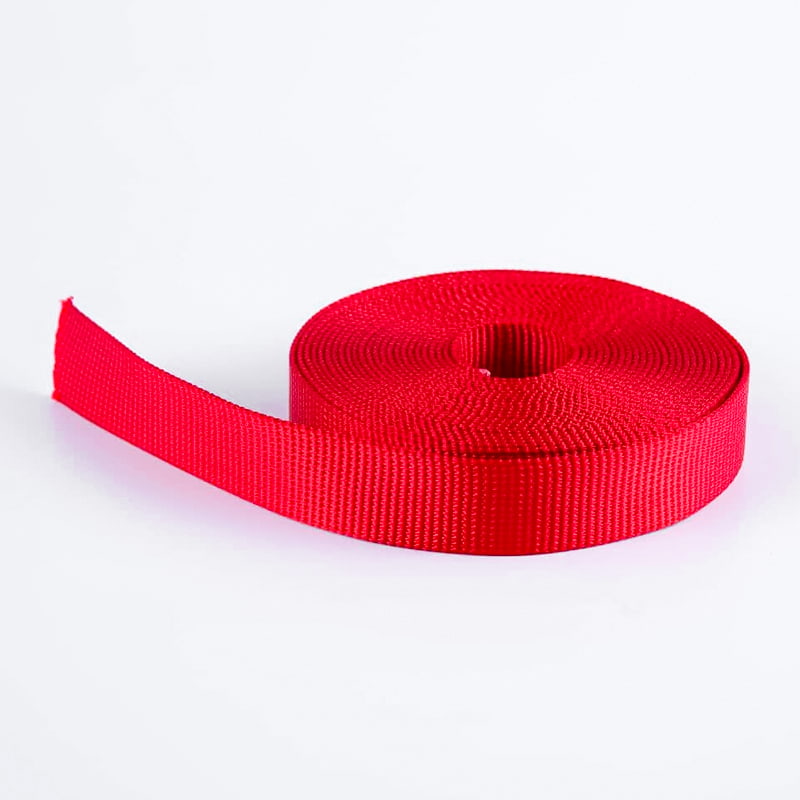
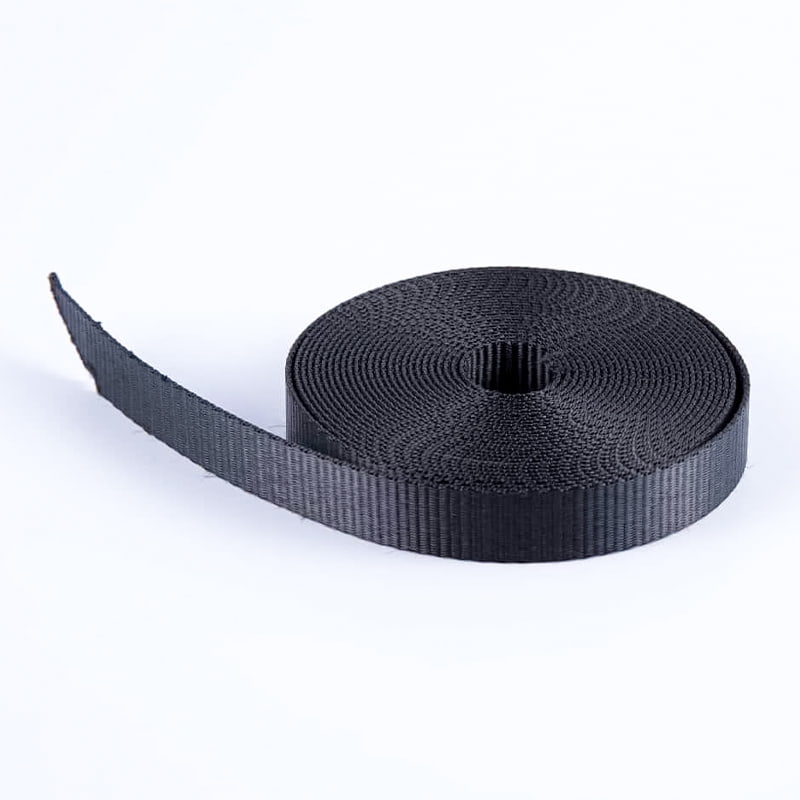
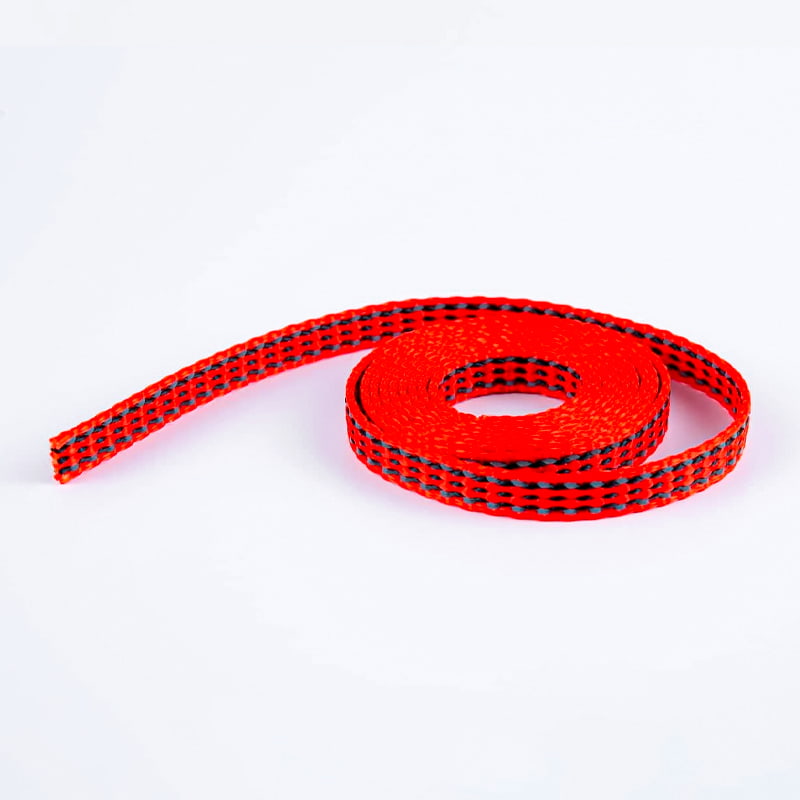
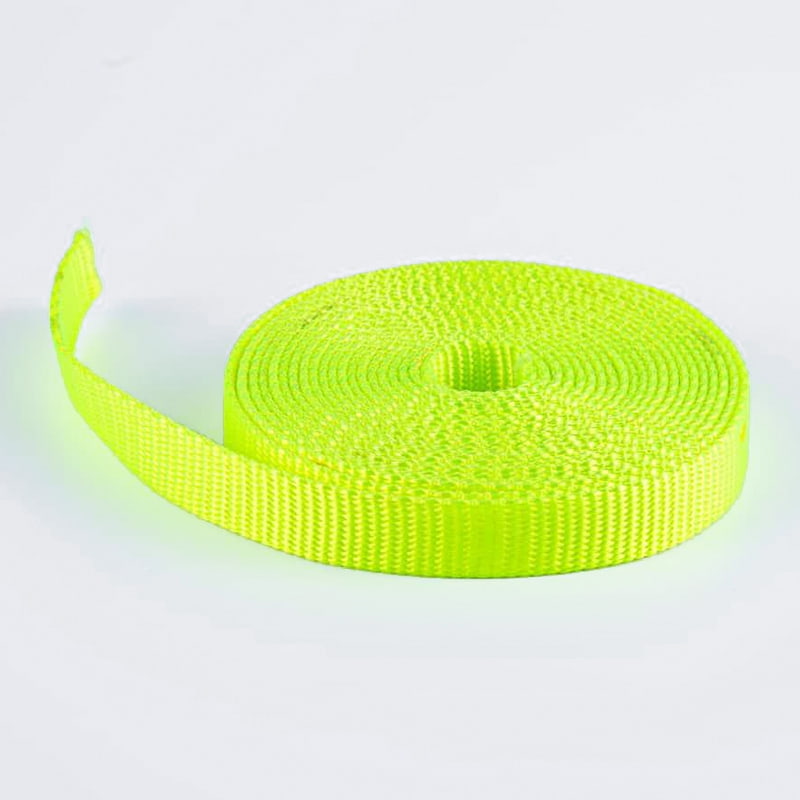
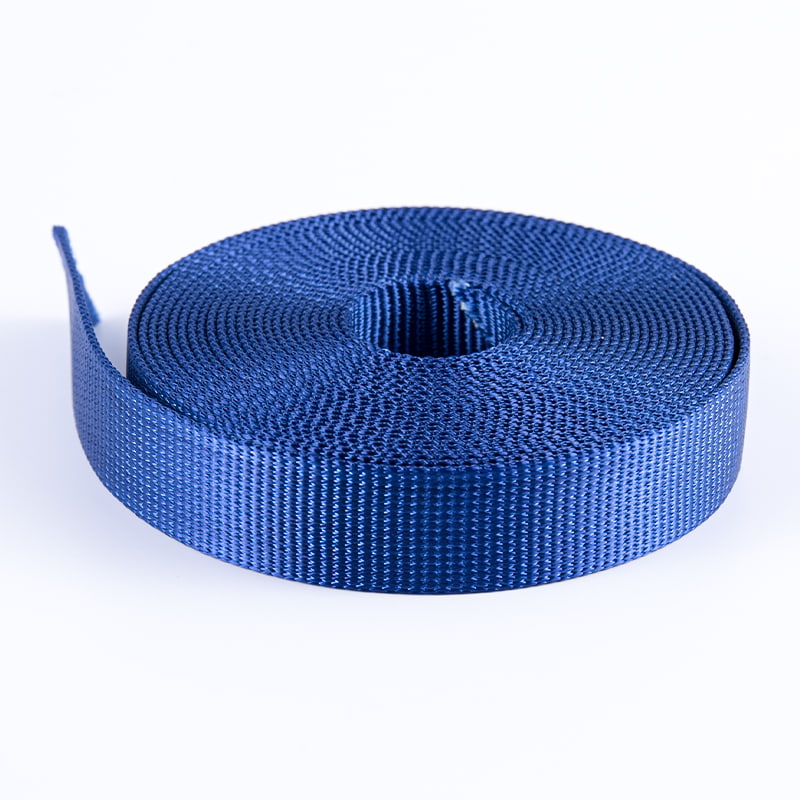
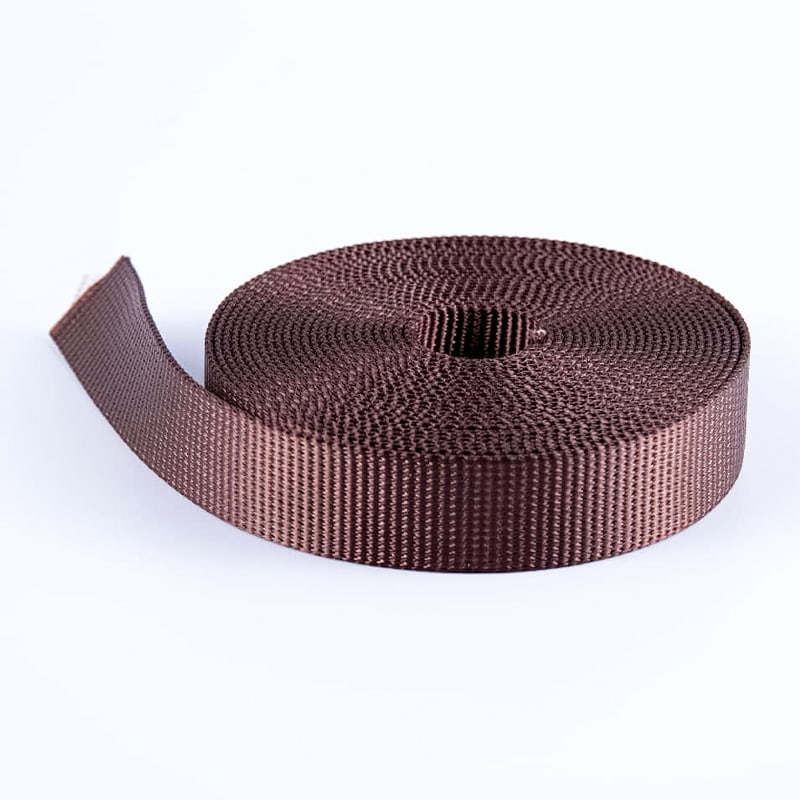
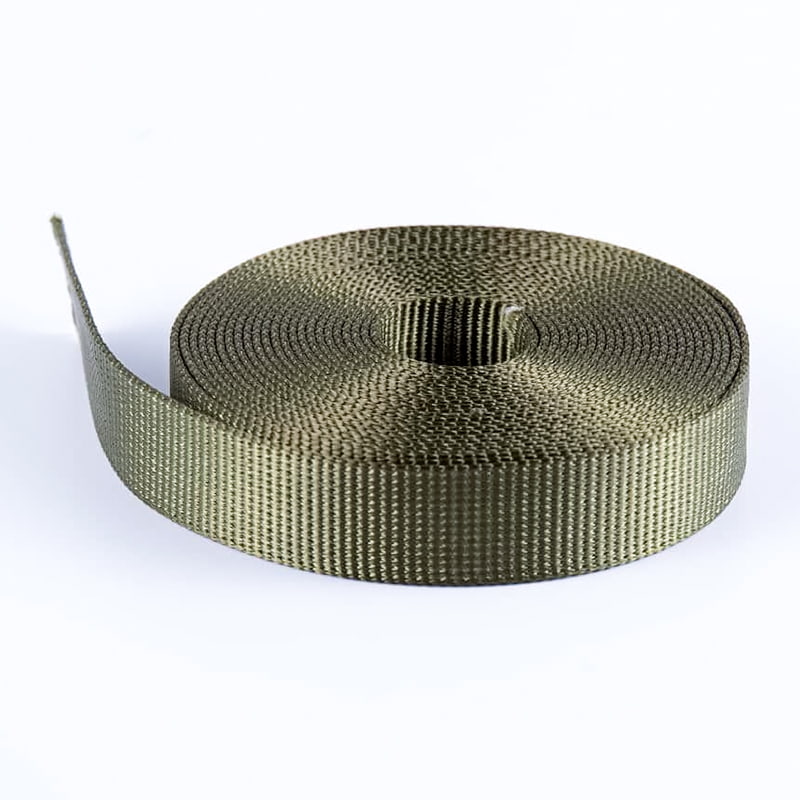
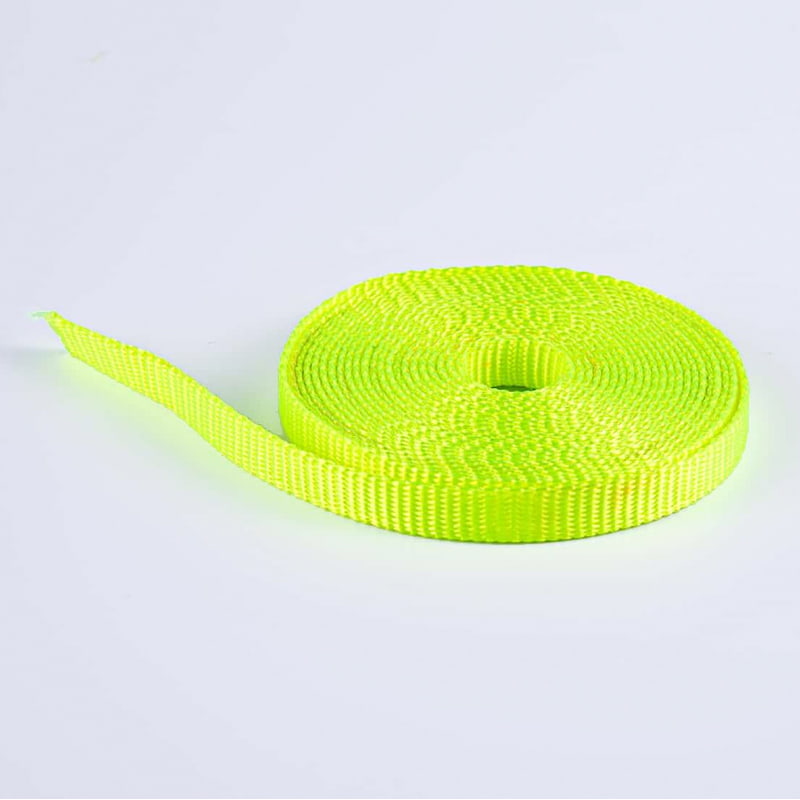
Webbing used in pet leashes is typically made from a variety of materials, such as nylon, cotton, and leather. These materials offer excellent wear resistance and comfort, making them suitable for pets of varying sizes and activity habits.
Webbing's use isn't limited to leashes; it can also be incorporated into other pet products, such as collars and harnesses, further expanding its application range. The diverse designs and material options available for webbing have made it a crucial component of the pet product market.

Haining Fengrun Rope Weaving Co., Ltd.
 Contact Us
About Us
Haining Fengrun Rope Weaving Co., Ltd. is China Custom
Pet Leash Webbing Manufacturers and
Cotton Webbing for Pet Training Leashes Suppliers, a professional weaving enterprise specializing in various rope and webbing products. Established in 2004, Fengrun operates with advanced manufacturing equipment, strict factory management, and innovative production concepts. With strong technical capabilities, we are a specialized manufacturer and supplier of high-quality tape and cord products. We offer
Nylon, Cotton, & Leather Webbing for Pet Leads for sale.
Contact Us
Pay attention to our latest news and exhibitions
READ OUR BLOG
-
Mar 17, 2026
Why Choose Polyester Webbing Straps for Your Projects?
Fengrun Rope Weaving Co., Ltd. was established in 2000 in Haining, Zhejiang. We specialize in manufacturing ropes, webbing, braided belts, waistbands, and garment accessories. With a strong technical team and advanced machinery, we provide high-quality products that meet international standards. Our...
READ MORE -
Mar 10, 2026
What is the Best Webbing for Pet Leashes?
Introduction: The Critical Role of Material in Pet Safety In the pet product manufacturing industry, the reliability of a leash is fundamentally determined by the quality of its raw materials. Pet Leash Webbing serves as the primary load-bearing component, tasked with securing animals of varying str...
READ MORE -
Mar 02, 2026
What Is Jacquard Webbing? A Complete Guide
In the technical textiles industry, Jacquard webbing represents the pinnacle of functional aesthetics. Unlike printed or basic woven straps, Jacquard webbing integrates complex patterns directly into the fabric's structure during the weaving process. This guide provides a deep technical dive into it...
READ MORE
Webbing for Pet Leash Industry Knowledge
What Determines the Performance and Sustainability of Webbing for Pet Leash?
In the rapidly evolving pet accessories market, webbing for pet leads plays a pivotal role in balancing durability, comfort, and environmental responsibility. As global demand for high-quality, sustainable pet products continues to grow, manufacturers and consumers alike are paying closer attention to the materials, weaving techniques, and production ethics behind these essential components. Understanding the technical and ecological dimensions of webbing is therefore crucial for selecting products that meet both performance expectations and sustainability standards.
The Functional Foundation of Pet Lead Webbing
The webbing used for pet leads serves as the structural backbone of the product, determining not only strength but also safety and comfort. Unlike simple textile straps, webbing for pet leash must withstand high tensile loads, resist abrasion, and maintain flexibility across a range of environmental conditions. This requires precise control of raw material selection, fiber treatment, and weaving density.
From a mechanical standpoint, three performance factors dominate: tensile strength, elongation rate, and surface texture. High tensile strength ensures that the webbing can endure sudden pulls without deformation. Moderate elongation contributes to shock absorption, protecting both the animal and handler. Meanwhile, an optimal surface texture prevents frictional damage to the pet’s fur or skin while maintaining sufficient grip for control.
Material Selection: Balancing Strength, Comfort, and Ecology
Material choice fundamentally shapes the properties of pet leash webbing. Among the most common fibers—nylon, cotton, and leather—each offers distinct advantages and trade-offs.
(1) Nylon Webbing:
Nylon is the most widely used material in modern pet leads due to its combination of strength, resilience, and water resistance. It offers excellent load-bearing performance and flexibility, maintaining structural integrity even under wet or humid conditions. Moreover, nylon webbing can be dyed in vivid colors and customized in various widths and thicknesses, making it ideal for aesthetic and branding purposes. Recent advancements in eco-friendly nylon, such as recycled variants, further enhance its environmental compatibility.
(2) Cotton Webbing:
Cotton webbing appeals to markets that prioritize comfort and natural fibers. Its soft handfeel makes it gentle on pets’ skin, reducing chafing and irritation. While cotton lacks the tensile strength of nylon, it excels in breathability and biodegradability, making it suitable for eco-conscious consumers. To overcome moisture absorption issues, some manufacturers treat cotton webbing with water-repellent finishes or blend it with synthetic fibers for enhanced durability.
(3) Leather Webbing:
Leather remains a premium material choice, favored for its aesthetic appeal, tactile quality, and long-term wear resistance. It provides a traditional and luxurious feel, often associated with high-end pet accessories. However, leather webbing requires careful processing and maintenance to ensure flexibility and prevent cracking. Sustainable sourcing and vegetable-tanning methods are increasingly emphasized to align with environmental expectations.
(4) Advanced Synthetic and Hybrid Materials:
In addition to conventional fibers, the market has embraced high-performance synthetics such as polyester and polypropylene. These materials offer excellent UV resistance and low moisture absorption. Hybrid weaves—combining nylon strength with cotton comfort or synthetic durability—reflect the industry’s movement toward multifunctional solutions.
Weaving Technology and Structural Innovation
The functionality of webbing for pet leads extends beyond material selection; weaving architecture is equally critical. Variations such as plain, twill, or tubular weaves each influence flexibility, grip, and edge resistance.
Plain weave provides balanced strength and smoothness, suitable for standard applications. Twill weave offers superior flexibility and texture variation, while tubular weave enhances tensile load distribution, preventing edge fraying and improving hand comfort. The integration of multi-filament yarns, micro-pattern reinforcement, and double-layer construction further enhances mechanical stability and aesthetic diversity.
Modern weaving machinery enables precision control of tension, density, and pattern, ensuring consistency in every meter of webbing. High-speed looms coupled with digital monitoring systems optimize production efficiency while minimizing waste—a key component in sustainable manufacturing.
Surface Treatment and Functional Enhancement
After weaving, finishing treatments determine the webbing’s performance in practical use. Techniques such as heat setting, resin coating, UV stabilization, and anti-fray edge sealing strengthen the webbing’s resistance to wear, deformation, and environmental stress.
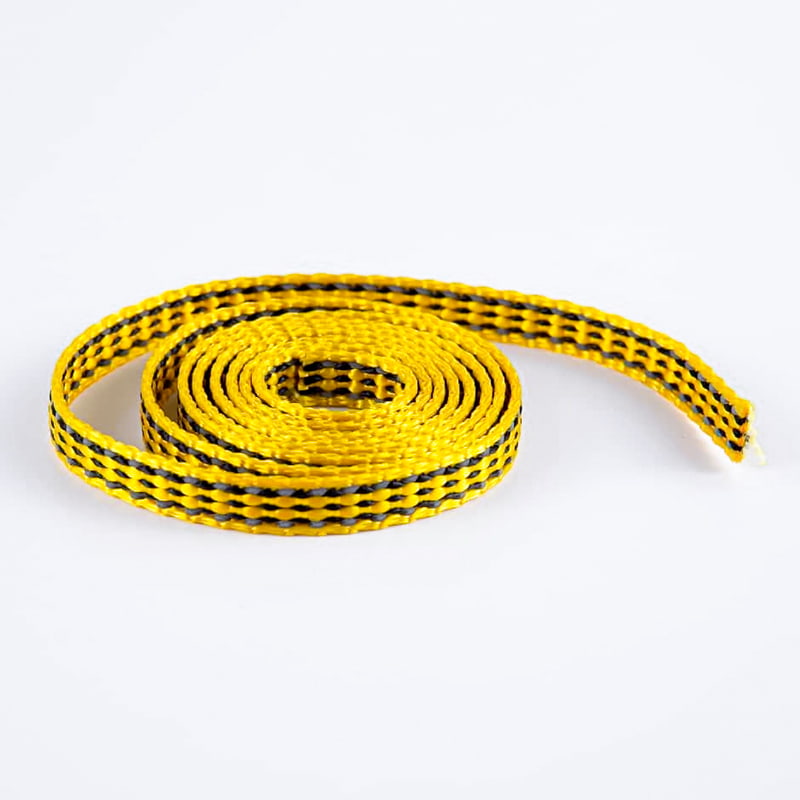
Surface finishing also enhances visual appeal. Printing, embossing, or reflective coatings not only enrich product design but also add safety features—particularly valuable for night-time walking. Water- and stain-resistant finishes extend product lifespan, reducing replacement frequency and overall environmental footprint.
Sustainability and Eco-Responsible Manufacturing
Environmental stewardship is now a defining factor in evaluating modern pet leash webbing. From raw material sourcing to waste management, sustainability principles influence every production stage.
Haining Fengrun Rope Weaving Co., Ltd. exemplifies this shift toward green manufacturing. As a professional weaving enterprise specializing in ropes and webbings, Fengrun emphasizes eco-friendly nylon webbing made from recycled materials through low-carbon processes. The company’s integrated production system minimizes energy consumption, optimizes water recycling, and reduces emissions, ensuring that durability and ecological responsibility coexist.
By adopting advanced looms, strict factory management, and innovative production concepts, Fengrun delivers high-performance webbing products that align with global sustainability goals. Its focus on quality, customization, and diversification allows partners to select environmentally sound yet versatile solutions across a range of applications. In the broader context, the industry’s move toward recycled polymers, bio-based coatings, and closed-loop recycling systems demonstrates a commitment to responsible production.
Customization and Aesthetic Trends
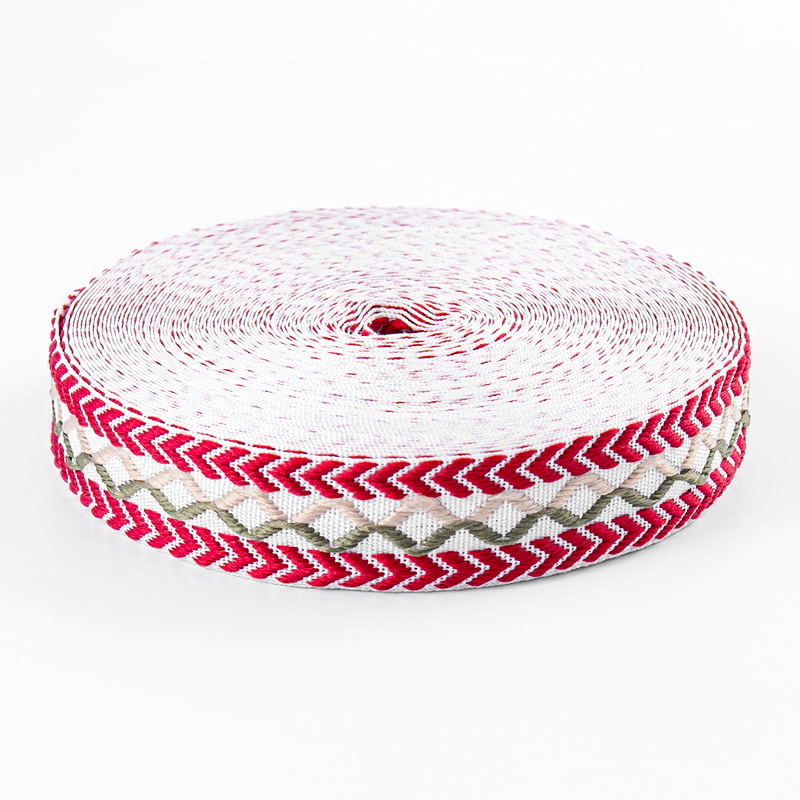
Customization defines the modern webbing market. Pet owners increasingly demand leads that reflect individual style and comfort preferences. Color variety, printed patterns, and personalized branding have become integral to product differentiation.
For manufacturers, this trend translates into multi-dimensional design flexibility—offering adjustable thickness, texture, and elasticity tailored to specific pet breeds or activities. High-end webbing can integrate reflective threads, antimicrobial coatings, or ergonomic padding, creating value-added performance features.
Fengrun’s production capabilities, supported by advanced dyeing and finishing technology, enable high-definition color rendering and long-lasting print stability. These attributes cater to both OEM clients and direct brand orders seeking quality assurance and creative freedom.
Quality Assurance and International Standards
Given that webbing for pet training leashes directly impacts safety, stringent quality control is essential. Testing typically involves assessments of tensile strength, colorfastness, abrasion resistance, and environmental compliance.
International standards such as ISO 9001 and REACH govern consistency and chemical safety. Haining Fengrun Rope Weaving Co., Ltd. employs end-to-end inspection—covering raw material verification, process monitoring, and final tensile testing—to ensure product reliability. This systematic approach not only maintains product integrity but also strengthens global competitiveness.
The Future of Webbing for Pet Leads: Toward Intelligent and Green Manufacturing
The next phase of development in webbing for pet leads will likely merge digital innovation with sustainability. Intelligent weaving systems capable of monitoring yarn tension and defect detection are already transforming production efficiency. Material science advancements—such as biodegradable synthetics and graphene-reinforced fibers—promise to redefine durability and environmental performance.
Moreover, as consumers increasingly value transparency, traceable supply chains and carbon-footprint labeling will become standard practice. Manufacturers that can integrate eco-design principles, smart process control, and global sustainability certification will lead the market transformation.
Haining Fengrun Rope Weaving Co., Ltd. continues to expand in this direction, combining technological modernization with green responsibility. Its mission aligns with the growing call for eco-friendly, durable, and customizable webbing solutions that support both consumer needs and environmental protection.
Conclusion
The performance and sustainability of webbing for pet training leashes are determined by a precise balance of material science, structural engineering, and environmental ethics. From nylon’s strength to cotton’s softness and leather’s prestige, each fiber contributes unique advantages that can be optimized through advanced weaving and finishing techniques.
PRODUCT

-

Boru Village, Zhouwangmiao Town, Haining City, Zhejiang China
-

+86-13957379333
-

Copyright © Haining Fengrun Rope Weaving Co., Ltd. Rights Reserved Custom Nylon, Cotton, & Leather Webbing for Pet Leads Suppliers

