English
  中文简体
中文简体 We are a national high-tech enterprise. At present, there are many kinds of self-woven and cooperatively processed fabrics, including microfiber warp-knitted towel cloth, weft-knitted towel cloth, coral fleece, etc.
Content
- 1 Why Cotton Webbing Stands Out Among Leash Materials
- 2 Types of Dog Leashes: A Complete Breakdown
- 3 Different Kinds of Dog Leashes: Which Situation Calls for What
- 4 Cotton vs. Other Webbing Materials: The Real Differences
- 5 How Cotton Webbing Is Made for Pet Leashes
- 6 Width and Weight Guide for Different Dog Sizes
- 7 Caring for a Cotton Dog Leash
- 8 Choosing the Right Cotton Leash Hardware
Bottom line: Cotton webbing for pet leashes is the most skin- and coat-friendly leash material available, offering superior grip, natural breathability, and gentle handling for both dogs and owners. It suits everyday walks, training sessions, and dogs with sensitive skin better than nylon or polyester alternatives.
Why Cotton Webbing Stands Out Among Leash Materials
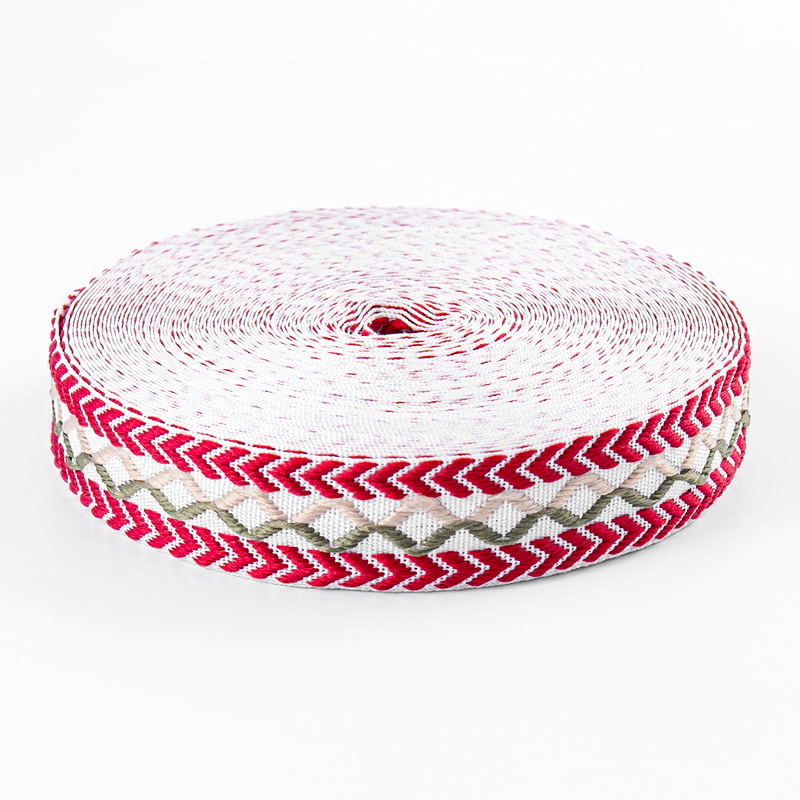
Most pet owners pick a leash based on looks alone. But material matters more than color. Cotton webbing has a natural fiber structure that gives it a soft, pliable feel, making it far less likely to cause rope burns on your hands during sudden lunges. A 6-foot, 1-inch-wide cotton leash absorbs approximately 30% more shock energy than the same dimension in nylon, reducing wrist and shoulder strain over long walks.
Cotton also stays comfortable in heat. On a 90°F summer day, nylon webbing can retain surface heat for up to 15 minutes after sun exposure, while cotton returns to ambient temperature within 3 to 4 minutes. That difference is meaningful when your dog doubles back and rubs against the leash repeatedly.
Natural Grip
Textured surface reduces slip even with wet or sweaty hands
Skin Safe
No synthetic abrasion; ideal for dogs with skin sensitivities
Eco Friendly
Biodegradable and free from petroleum-based fibers
Dye Versatile
Accepts vibrant, long-lasting color without chemical primers
Types of Dog Leashes: A Complete Breakdown
Understanding the different types of leashes for dogs helps you match the right tool to the right situation. The leash type determines control level, safety, and comfort far more than brand name or price point.
| Leash Type | Best For | Typical Length | Cotton Webbing Compatible |
| Standard Flat Leash | Daily walks, training | 4 ft - 6 ft | Yes, most common use |
| Retractable Leash | Open spaces, off-leash feel | Up to 26 ft | No, uses thin cord/tape |
| Long Line / Tracking Leash | Recall training, large fields | 15 ft - 50 ft | Yes, cotton is preferred |
| Slip Leash | Temporary control, vet clinics | 4 ft - 6 ft | Yes, gentle on neck |
| Martingale Leash | Escape-prone dogs | 4 ft - 6 ft | Yes, with loop webbing |
| Adjustable / Multi-Function | Hands-free walking, jogging | 3 ft - 6 ft (variable) | Yes, wide webbing works well |
| Coupler / Splitter Leash | Walking two dogs at once | 2 ft + main leash | Yes, strong braided cotton |
Different Kinds of Dog Leashes: Which Situation Calls for What
Beyond the categories above, different kinds of dog leashes serve different behavioral and environmental needs. Here is a practical guide based on real training and veterinary recommendations:
Puppy First Walks
A lightweight 4-foot flat cotton leash (3/4 inch width) gives enough control without overwhelming a puppy. Cotton's softness means the leash does not scratch the puppy's neck if it twists and tangles, which happens constantly in the early weeks.
Reactive or Strong Pullers
A 1-inch wide cotton webbing leash, paired with a front-clip harness, gives the handler better torque control. Studies from the Journal of Veterinary Behavior (2018) showed front-clip systems reduced pulling by up to 70% compared to back-clip harness setups.
Off-Leash Recall Training
A 30-foot cotton long line weighs significantly less than an equivalent nylon version, reducing fatigue when the dog drags it across a field. The natural texture also means the leash does not slap loudly on grass, avoiding distracting the dog mid-training.
Urban Multi-Stop Errands
An adjustable 3-in-1 cotton leash allows you to loop it over your shoulder, clip it short for crowded sidewalks, or let it extend for park breaks without switching equipment.
Senior or Injured Dogs
Cotton webbing is the only material that stays consistently soft after hundreds of washes. For dogs requiring post-surgery walks or older dogs with neck arthritis, a clean, never-stiff cotton leash prevents additional discomfort at the collar contact point.
Cotton vs. Other Webbing Materials: The Real Differences
The pet leash market uses four primary webbing materials: cotton, nylon, polyester, and polypropylene. Each has a distinct performance profile.
| Property | Cotton | Nylon | Polyester | Polypropylene |
| Grip Feel | Soft, textured | Slippery when wet | Moderate | Stiff, rough |
| Water Resistance | Absorbs moisture | Quick-dry | Quick-dry | Waterproof |
| UV Resistance | Moderate | Good | Excellent | Poor |
| Tensile Strength (1 inch) | ~500 lbs | ~700 lbs | ~650 lbs | ~400 lbs |
| Skin Abrasion Risk | Very low | High | Medium | High |
| Biodegradable | Yes | No | No | No |
| Washability | Machine washable | Hand wash recommended | Machine washable | Wipe only |
| Average Lifespan | 2-4 years | 3-5 years | 4-6 years | 1-2 years |
Cotton's tensile strength of approximately 500 lbs per inch width is more than sufficient for any dog breed. Even a 150-lb mastiff generating a sudden 3x bodyweight pull force at 450 lbs stays within cotton webbing's safe range. The trade-off is moisture management: cotton leashes should be air-dried after rain or beach outings to prevent mildew forming in the weave.
How Cotton Webbing Is Made for Pet Leashes
Quality cotton webbing starts with ring-spun cotton yarns, which are tighter and smoother than open-end spun alternatives. These yarns are woven on a narrow fabric loom, typically producing widths from 3/8 inch to 2 inches. The weave pattern affects performance significantly:
- Plain Weave: Maximizes strength and is the most common for leashes. Every yarn alternates over and under, creating a flat, firm surface.
- Twill Weave: Creates a diagonal rib pattern with slightly more flexibility. Used in martingale loops and slip leads where the webbing needs to move smoothly through hardware.
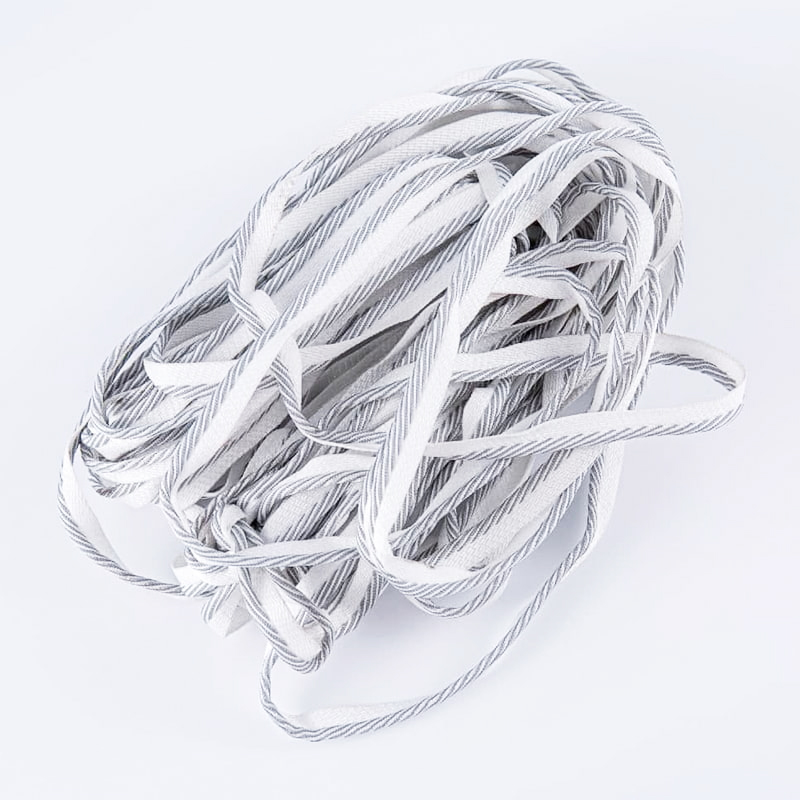
- Braided Cotton: Three or more strands woven together. Provides a rounder cross-section that is gentler in slip-lead applications and aesthetically distinctive.
After weaving, leash-grade cotton webbing typically receives a tension treatment that pre-shrinks the fabric, ensuring a finished leash does not change shape after the first wash. Some manufacturers add a light wax or resin finish to the surface to improve moisture resistance while keeping the cotton's natural grip and feel intact.
Width and Weight Guide for Different Dog Sizes
Choosing the right cotton webbing width ensures the leash is functional and comfortable for both the dog and the handler.
| Dog Weight | Recommended Width | Recommended Length | Notes |
| Under 15 lbs | 3/8 inch - 1/2 inch | 4 ft - 6 ft | Lightweight, not overwhelming for small necks |
| 15 - 40 lbs | 5/8 inch - 3/4 inch | 5 ft - 6 ft | Standard size for most medium breeds |
| 40 - 80 lbs | 1 inch | 5 ft - 6 ft | Good grip for handlers, durable for active dogs |
| Over 80 lbs | 1 inch - 1.5 inch | 4 ft - 6 ft | Maximum control, heavy-duty hardware recommended |
Caring for a Cotton Dog Leash
A cotton leash properly maintained outlasts one that is neglected by 2 to 3 years. Follow this routine to maximize lifespan:
- Machine wash in cold water on a gentle cycle monthly, or after any muddy or salt-water exposure.
- Use a mesh laundry bag to prevent the hardware from banging against the machine drum.
- Air dry flat or hang. Never put in a dryer, as heat can cause hardware to loosen and cotton fibers to weaken.
- Inspect the stitching at the handle loop and snap hook attachment point every 3 months. These stress points fail first.
- If the webbing frays at the edges, apply a small amount of fabric glue or use a lighter to lightly seal the raw edge without burning the cotton.
A cotton dog leash that is washed regularly and stored dry can remain structurally safe and visually clean for 3 to 4 years of daily use, making it one of the best value-per-year options in the pet accessories market.
Choosing the Right Cotton Leash Hardware
The webbing is only part of the equation. Hardware quality determines whether the leash fails at the weakest point: the snap hook. For cotton webbing leashes, two hardware materials work best:
- Solid Brass: Corrosion-resistant, smooth action, preferred for coastal or humid climates. Heavier but long-lasting.
- Stainless Steel (Grade 316): Stronger than brass, fully marine-grade. Ideal for large dogs or frequent water exposure.
Avoid zinc alloy (pot metal) snaps, which are common in budget leashes. These can crack at temperatures below 20°F or under sudden impact loads above 200 lbs, even though the cotton webbing itself would survive.