English
  中文简体
中文简体 We are a national high-tech enterprise. At present, there are many kinds of self-woven and cooperatively processed fabrics, including microfiber warp-knitted towel cloth, weft-knitted towel cloth, coral fleece, etc.
Content
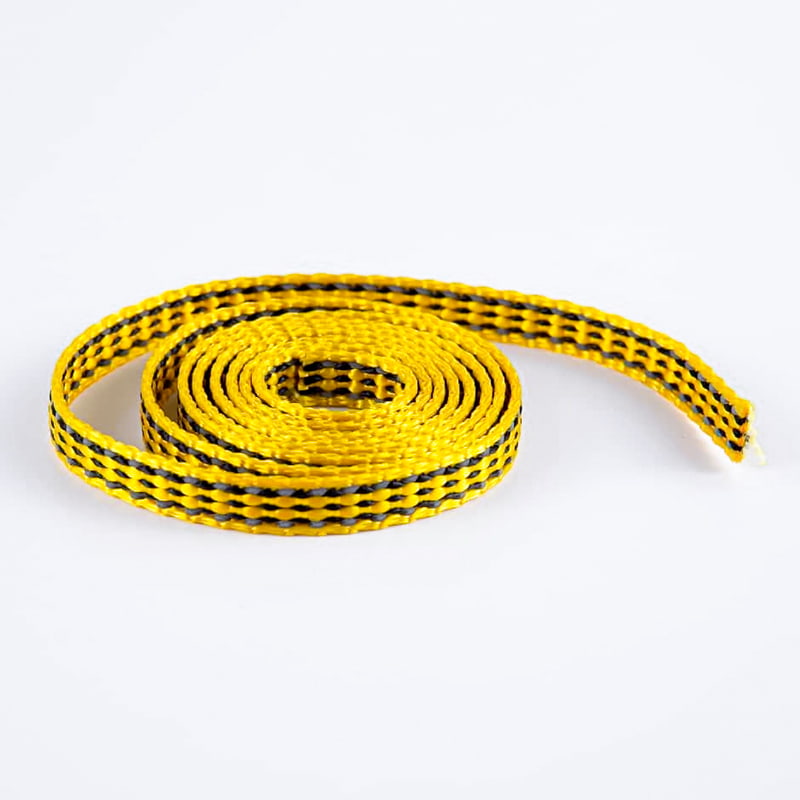
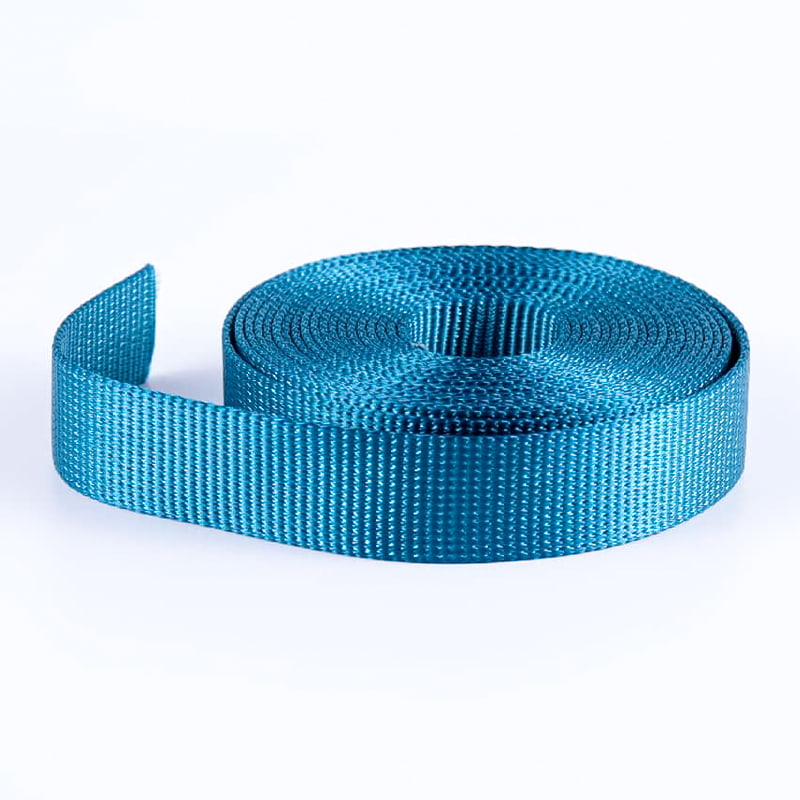
Yes, polypropylene tubular webbing is strong, lightweight, and highly resistant to moisture and rot, which is why it shows up in backpack straps, bag handles, and outdoor gear where weight matters but strength cannot be sacrificed. Its tubular construction, a flattened tube rather than a solid flat weave, gives it flexibility and a soft edge that solid webbing cannot match, though it typically sits below nylon in raw tensile strength for the most demanding load-bearing applications.
Why The Tubular Construction Matters
Standard flat webbing is woven as a single solid layer. Tubular webbing is woven as a flattened tube, essentially two layers joined at the edges. This construction changes how the material behaves in real use.
Advantages Of The Tube Weave
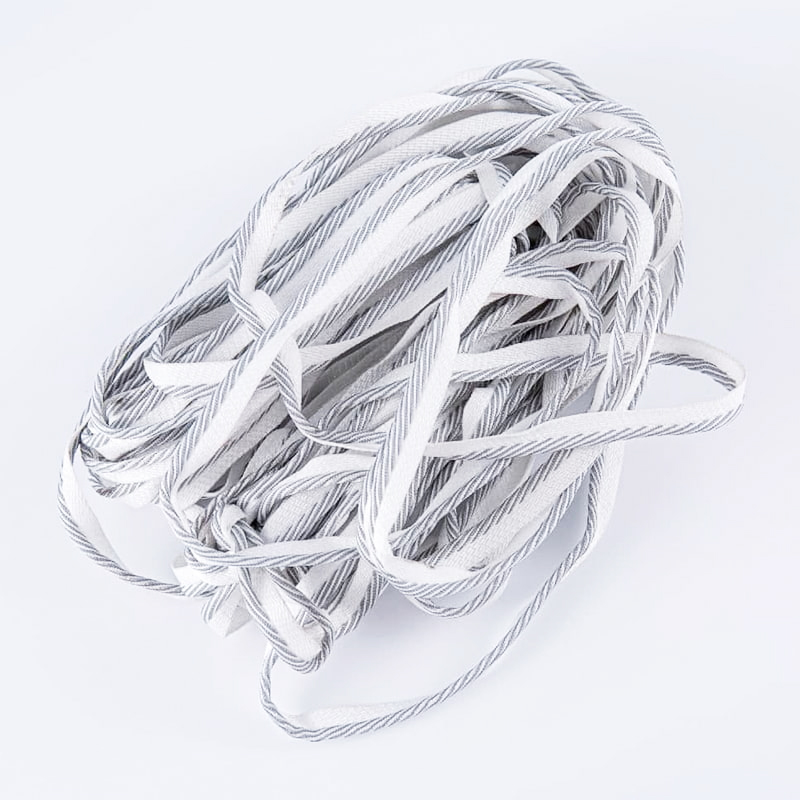
The rounded, hollow profile is softer against skin, which is why it dominates backpack shoulder straps and bag handles. It also folds and curls naturally, making it useful for drawstrings and adjustable straps where flat webbing would feel stiff.
Trade-offs To Expect
Because it is essentially a folded double layer rather than one dense weave, tubular webbing generally carries a lower load rating than an equivalent width of solid flat webbing made from the same fiber.
Is Polypropylene Webbing Strong And Durable
Polypropylene fiber itself is a mid-strength synthetic, positioned between cotton and nylon on most strength charts, but it holds a distinct advantage: it does not absorb water, so it never rots, mildews, or loses strength when wet. This makes it a preferred choice for marine gear, outdoor bags, and anything exposed to repeated moisture.
| Material | Typical Break Strength (1 inch width) | Water Resistance | UV Resistance |
| Polypropylene tubular webbing | Around 1,200 to 1,800 lbs | Excellent, does not absorb moisture | Fair, degrades faster in direct sun |
| Nylon tubular webbing | Around 2,000 to 4,000 lbs | Good, absorbs some moisture | Good |
| Cotton tubular webbing | Around 500 to 900 lbs | Poor, weakens when wet | Good |
| Polyester tubular webbing | Around 1,800 to 3,000 lbs | Good | Excellent |
For everyday bag straps, belt loops, and craft projects, this strength range is more than sufficient. For climbing, rigging, or heavy load-bearing safety equipment, nylon or polyester remain the standard because polypropylene is not rated for life-safety applications.
What Tubular Webbing Is Used For
The combination of softness, light weight, and moisture resistance makes this material common across several product categories.
- Backpack and bag straps: the rounded profile sits comfortably on shoulders and can be folded or bar-tacked to hardware easily.
- Drawstrings and cord channels: the flexible tube threads smoothly through fabric casings on bags and jackets.
- Pet leashes and collars: lightweight and colorfast, though heavier-duty leashes typically use nylon instead.
- Craft and costume work: easy to dye, cut, and heat-seal at the ends without fraying.
- Luggage handles and tie-downs: low stretch keeps handles from sagging under repeated grip pressure.
- Marine and outdoor gear: resistance to rot makes it suitable for items stored in damp conditions.
How To Choose Polypropylene Tubular Webbing
Selecting the right specification prevents both wasted cost and premature failure. Work through these four checkpoints before ordering.
Width
Match width to the hardware it will pass through. Common sizes run from 1/2 inch for small straps up to 2 inches for structural bag handles. A strap that is too narrow for its buckle will slip and wear unevenly.
Wall Thickness
Thicker tube walls hold shape better under repeated flexing, which matters for straps that get pulled and released daily, such as backpack shoulder straps.
Colorfastness
Solution-dyed polypropylene resists fading far longer than surface-dyed webbing, which matters for outdoor products exposed to sunlight regularly.
Load Rating
Always check the manufacturer's rated break strength for the specific width, since strength does not scale in a simple straight line as width increases.
Choosing A PP Webbing Manufacturer
Quality varies significantly between suppliers, even at the same stated width and weight. A few questions separate a reliable manufacturer from an inconsistent one.
| Question To Ask | Why It Matters |
| Can they provide a break strength test report | Confirms the webbing meets a documented, repeatable standard rather than an estimate |
| Is the color solution-dyed or surface-dyed | Solution-dyed webbing resists fading and rubbing off onto fabric or skin |
| What is the minimum order quantity | Smaller brands need low minimums to test a product line before committing to bulk |
| Do they offer custom widths or logo weaving | Useful for brands wanting a distinctive strap rather than a generic stock item |
Tubular Webbing For Bags Specifically
Bag manufacturers favor tubular webbing over flat webbing for straps that touch the body directly. The hollow center gives it a slight cushioning effect compared to a solid flat weave of the same width, which reduces pressure points on the shoulder during extended wear. For structural handles that get gripped and pulled rather than worn against skin, some manufacturers switch to flat webbing or reinforce the tubular strap with an internal foam core for added rigidity.
A practical middle ground many bag brands use is 1 inch polypropylene tubular webbing for adjustable straps and 1.5 to 2 inch webbing for fixed top handles, balancing comfort with load distribution across the stitched attachment points.
Common Questions
Does polypropylene webbing shrink or stretch over time
It has very low stretch under normal use and does not shrink from moisture exposure, though prolonged heat exposure near 150 degrees Fahrenheit can begin to soften the fibers.
Can it be sewn with a standard home machine
Yes, though a heavier needle, size 16 or 18, and polyester thread handle the layered edges more reliably than a standard needle.
Is it safe for outdoor furniture straps
Yes, its moisture and mildew resistance make it a common choice for lawn chair webbing and patio furniture support straps.
How is the cut end finished to prevent fraying
Ends are typically heat-sealed with a hot knife, which melts the synthetic fibers together into a clean, fray-free edge.