English
  中文简体
中文简体 We are a national high-tech enterprise. At present, there are many kinds of self-woven and cooperatively processed fabrics, including microfiber warp-knitted towel cloth, weft-knitted towel cloth, coral fleece, etc.
Content
- 1 Introduction: The Versatile Backbone of Strength and Safety
- 2 Understanding Polyester Webbing: Strength Meets Flexibility
- 3 Deep Dive into Key Applications and Product Types
- 3.1 1. Transportation and Securement: Heavy Duty Polyester Tie Down Straps
- 3.2 2. Outdoor and Sports Equipment: Polyester Webbing Straps for Outdoor Gear
- 3.3 3. Lifting and Rigging: UV Resistant Polyester Lifting Slings
- 3.4 4. Marine and Specialty Environments: Marine Grade Polyester Cargo Straps
- 3.5 5. Branding and Identification: Custom Printed Polyester Webbing
- 4 Choosing Your Partner: Why Select a Professional Manufacturer?
- 5 FAQ
Introduction: The Versatile Backbone of Strength and Safety
In the vast world of industrial, commercial, and recreational applications, few components are as universally relied upon yet as understated as polyester webbing straps. These robust bands of woven synthetic fibers form the critical link in securing, lifting, and carrying loads of all shapes and sizes. From ensuring a shipping container stays firmly in place during a transoceanic voyage to providing the comfortable, adjustable support on a hiker's backpack, the right webbing strap is a non-negotiable element of safety and functionality. The effectiveness of these straps hinges on a deep understanding of material science, engineering principles, and application-specific demands. Unlike generic fasteners, a high-performance webbing strap is the product of precise manufacturing, where factors like yarn quality, weave density, finishing treatments, and rigorous quality control converge. For over two decades, our expertise has been rooted in mastering this convergence, operating as a dedicated manufacturer focused on innovation and quality in equal measure. We recognize that selecting a strap isn't just about picking a piece of fabric; it's about choosing a reliable partner for your operational integrity, product durability, and user safety. This guide is designed to demystify the specifications and help you navigate the selection process with confidence, ensuring that the polyester webbing straps you choose are perfectly matched to your unique requirements, whether they involve extreme tension, harsh environments, or brand-specific aesthetics.
- Universal Application: Found in logistics, construction, outdoor gear, marine, and safety equipment.
- Safety-Critical Component: Acts as a primary load-bearing element in lifting and securing operations.
- Engineering and Manufacturing: Performance is dictated by material properties and production precision.
- Informed Selection: Understanding key parameters is crucial for optimal performance and safety.
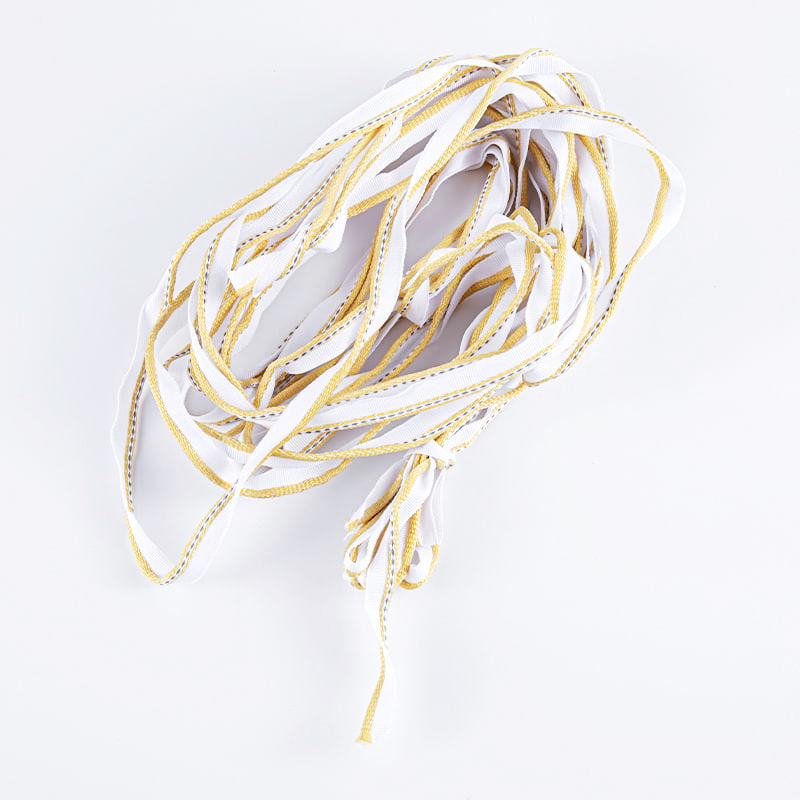
Understanding Polyester Webbing: Strength Meets Flexibility
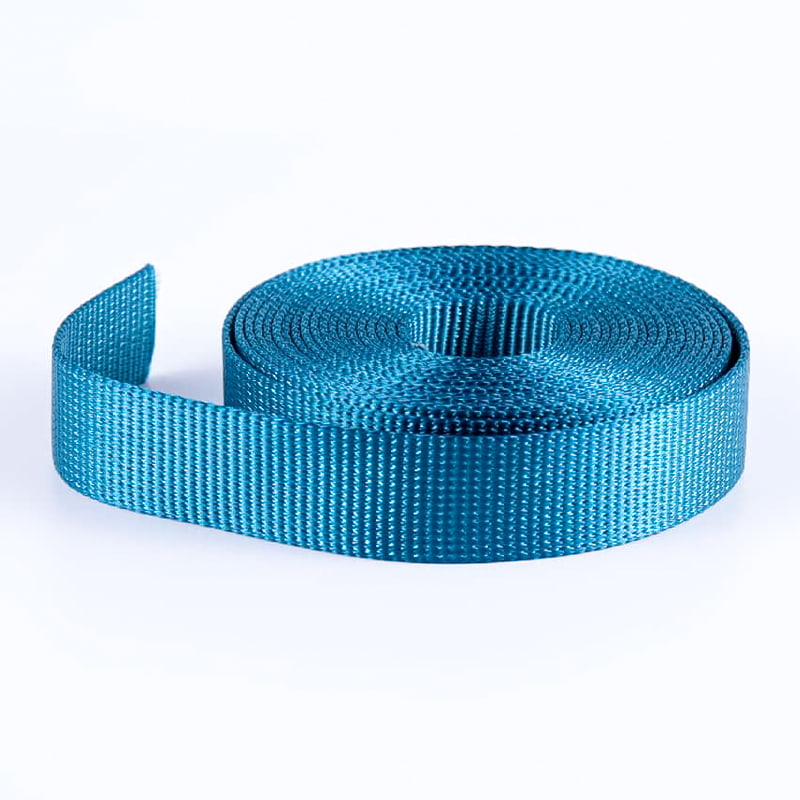
Polyester, as a synthetic polymer, offers a unique combination of properties that make it exceptionally suitable for webbing applications. Its molecular structure provides high tensile strength, meaning it can withstand significant pulling forces without breaking. Crucially, polyester exhibits minimal elongation under load, typically around 3-5%. This low stretch characteristic is vital for applications like heavy duty polyester tie down straps and lifting slings, where load shift or settling must be minimized to prevent accidents. Furthermore, polyester boasts excellent resistance to abrasion, ensuring the webbing does not fray or weaken from repeated friction against rough surfaces. Its inherent resistance to most common chemicals, oils, and mildew adds to its durability in varied industrial and outdoor settings. For outdoor and marine use, treatments can be applied to enhance UV resistance, preventing degradation from sunlight—a key feature for UV resistant polyester lifting slings and marine grade polyester cargo straps. The weave pattern, most commonly a strong and stable plain weave or a more flexible herringbone/twill, further fine-tunes the strap's behavior, balancing flexibility with edge integrity.
- High Tensile Strength & Low Elongation: Provides secure, stable load containment with minimal stretch.
- Superior Abrasion & Chemical Resistance: Ensures long service life in demanding conditions.
- Inherently Mildew Resistant: Ideal for damp or humid environments.
- Weave Patterns: Plain weave for maximum strength; Herringbone for flexibility and curved surface conformity.
Why is Polyester the Ideal Choice?
When compared to other common webbing materials like nylon or polypropylene, polyester's balanced profile makes it a top contender. Nylon, while exceptionally strong and elastic (absorbing shock loads well), absorbs water which can reduce its strength by up to 15% and cause it to shrink and stretch as it dries. Polypropylene is lightweight and floats, but it is less durable and degrades quickly under UV exposure. Polyester strikes the optimal middle ground: it retains nearly 100% of its strength when wet, has excellent UV stability (especially when treated), and offers the best combination of strength, durability, and dimensional stability. This makes it the preferred material for critical, long-term applications where performance cannot be compromised by environmental factors.
| Property | Polyester | Nylon | Polypropylene | |
| Strength When Wet | Remains ~100% | Loses up to 15% | Unaffected | |
| UV Resistance | Excellent (especially treated) | Good | Poor | |
| Elongation | Low (3-5%) | High (15-30%) | Medium | |
| Abrasion Resistance | Excellent | Excellent | Good | |
| Best For | Tie-downs, Lifting, Outdoor Gear | Climbing, Dynamic Shock Loads | Light-Duty, Cost-Sensitive Uses |
Deep Dive into Key Applications and Product Types
1. Transportation and Securement: Heavy Duty Polyester Tie Down Straps
The cornerstone of logistics and transport, these straps are engineered for one primary purpose: to keep cargo immobile during transit. Heavy duty polyester tie down straps are characterized by their high breaking strength, often ranging from 1,000 to 10,000 pounds or more. Their low stretch is non-negotiable, preventing loads from shifting on trailers or in trucks. They are typically integrated with end fittings like ratchet buckles, cam buckles, or end loops to facilitate tight, secure fastening. Quality is paramount, as failure can lead to catastrophic road incidents. A professional manufacturer ensures every component of the system—the webbing, the stitching, and the hardware—is rated for the working load limit and complies with relevant transportation safety regulations.
- Core Application: Securing cargo on flatbed trucks, in warehouses, and during vehicle transport.
- Key Feature - End Fittings: Ratchet buckles for maximum tension, cam buckles for lighter, quicker use.
- Safety Standard: Must comply with regional cargo securement standards (e.g., DOT in the US).
- Manufacturing Focus: Consistent weave density, reinforced stitching, and hardware compatibility testing.
2. Outdoor and Sports Equipment: Polyester Webbing Straps for Outdoor Gear
In the outdoor industry, webbing transforms from an industrial tool to a user-facing component of comfort and performance. Polyester webbing straps for outdoor gear must be strong yet supple, weather-resistant, and often lightweight. They form the backbone of backpack shoulder straps and hip belts, tent guylines, dog leashes, and climbing harnesses. For these applications, the feel against the skin is as important as the tensile strength. Softening finishes, moisture-wicking properties, and a wide spectrum of color options for aesthetic matching are critical. The webbing must also perform flawlessly in buckles and ladder-lock adjusters, allowing for easy, one-handed operation in the field.
- Core Application: Backpacks, tents, hammocks, pet gear, and tactical equipment.
- Key Feature - User Comfort: Soft hand-feel, flexibility, and non-abrasive edges.
- Aesthetic Demands: Vibrant, colorfast dyes to match product designs.
- Functionality: Consistent thickness and flexibility for smooth operation in adjuster buckles.
3. Lifting and Rigging: UV Resistant Polyester Lifting Slings
This is the most safety-critical domain for webbing. UV resistant polyester lifting slings are engineered lifting devices, not merely straps. They are used to hoist heavy machinery, construction materials, and industrial loads. Their design incorporates an extremely high safety factor (often 5:1 or 7:1), meaning the breaking strength is five to seven times the rated Working Load Limit (WLL). UV resistance is not just an add-on but a mandatory treatment, as sunlight degradation can silently weaken the fibers over time. These slings are often color-coded by thickness and WLL for instant identification on a busy job site, and they must be tagged with permanent, legible identification stating their specifications and compliance with standards like ASME or EN.
| Sling Type (Flat Eye & Eye) | Common Widths | Typical WLL Range | Key Safety Feature |
| Standard Duty | 1" - 4" | 1 to 12 Tons | Color-Coded for WLL |
| Heavy Duty | 4" - 12" | 8 to 50+ Tons | High-Visibility Stitching |
| Endless (Grommet) | 1" - 6" | Varies by Configuration | No Seams or Splices |
4. Marine and Specialty Environments: Marine Grade Polyester Cargo Straps
The marine environment presents a unique cocktail of challenges: constant saltwater exposure, high humidity, and relentless UV radiation. Marine grade polyester cargo straps are built to endure this onslaught. They start with high-tenacity polyester yarns and are often subjected to specialized finishing processes that impart enhanced resistance to saltwater corrosion, mildew, and UV degradation. The hardware, if present, is typically stainless steel or heavily galvanized to prevent rust. These straps are essential for securing deck cargo on boats, lashing down personal watercraft, and any application where the strap will be in prolonged contact with a marine or corrosive environment.
- Core Application: Deck cargo lashing, boat trailer tie-downs, dock equipment.
- Key Feature - Corrosion Resistance: Treated webbing and corrosion-resistant hardware.
- Enhanced UV Protection: Superior UV inhibitors are embedded or coated for longer life in direct sunlight.
- Construction: Tight weave to minimize water absorption and salt ingress into the fibers.
5. Branding and Identification: Custom Printed Polyester Webbing
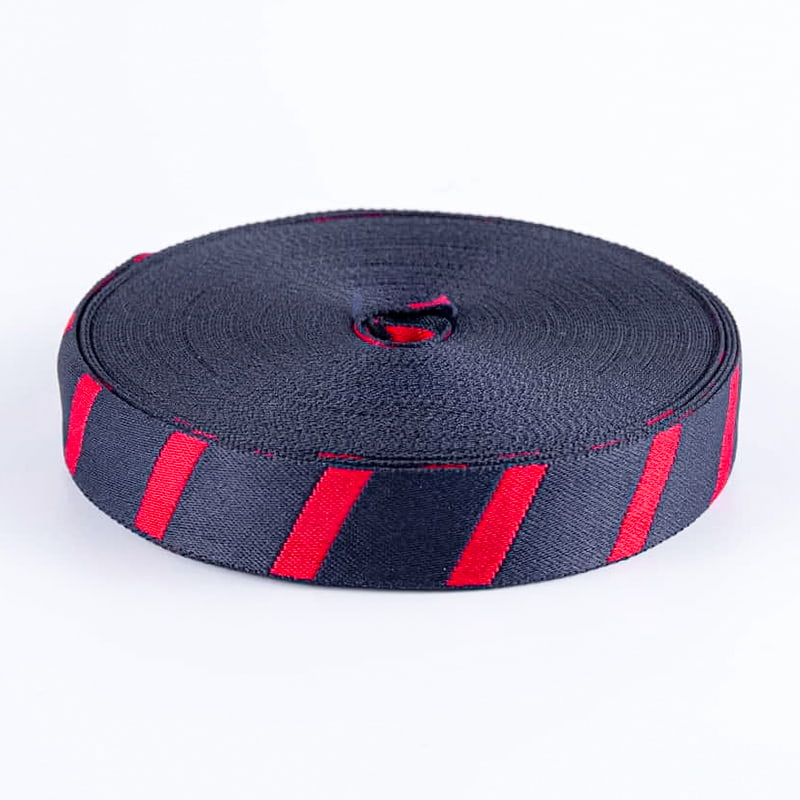
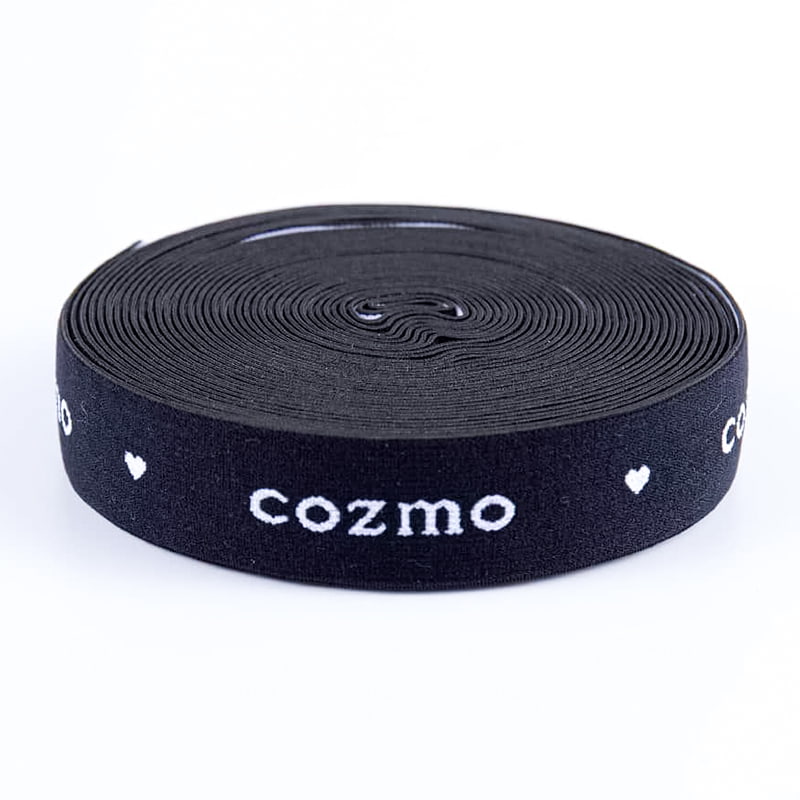
Webbing serves as a highly visible and functional canvas for branding. Custom printed polyester webbing allows companies to integrate logos, slogans, safety instructions, or decorative patterns directly onto the strap. This is invaluable for creating branded pet collars and leashes, high-visibility safety harnesses, luggage tags, and promotional items. The printing must be durable, resisting abrasion, washing, and fading. High-quality printing techniques ensure the design penetrates the fibers rather than sitting on the surface, resulting in a long-lasting imprint that maintains the underlying strength and flexibility of the webbing.
- Core Application: Branded merchandise, safety equipment, pet products, apparel accessories.
- Key Feature - Print Durability: Heat-transfer or advanced woven-in printing for fade and wear resistance.
- Design Flexibility: Capability to print complex logos and multi-color designs on various webbing colors.
- Value Addition: Transforms a functional component into a brand ambassador and differentiator.
Choosing Your Partner: Why Select a Professional Manufacturer?
Selecting a supplier for polyester webbing straps is a strategic decision that impacts your product quality, supply chain reliability, and ultimately, your end-user's safety and satisfaction. A professional manufacturer brings far more to the table than just commodity products. It starts with vertical integration and control over the production process—from sourcing premium-grade, consistent polyester yarns to operating state-of-the-art looms and finishing equipment under stringent quality management systems. This control ensures batch-to-batch consistency in width, thickness, and breaking strength, which is critical for industrial and safety applications. Furthermore, true expertise lies in customization. Whether you need a specific shade of green for a line of polyester webbing straps for outdoor gear, a unique width/strength combination for a proprietary tie-down system, or durable custom printed polyester webbing with a complex logo, a dedicated manufacturer has the technical team and flexible production lines to make it a reality. They operate on the principle that webbing is not a one-size-fits-all product but a engineered solution that should be optimized for its end use. Partnering with such a manufacturer means gaining access to engineering support, rigorous testing protocols (including in-house break strength testers), and a commitment to continuous improvement driven by material science and customer feedback, ensuring that the solutions provided are not just products, but reliable pillars for your operations.
- Quality at Source: Control over raw materials and production ensures consistency and reliability.
- Technical Expertise: In-house engineering teams can assist with specification development and problem-solving.
- Full Customization Capability: Ability to tailor width, color, strength, finish, and print to exact requirements.
- Commitment to Standards: Adherence to international quality and safety standards relevant to the application.
- Strategic Partnership: Moving beyond transactional supply to collaborative development for optimal solutions.
FAQ
What is the weight capacity of polyester webbing straps?
The weight capacity, more accurately called the Working Load Limit (WLL), varies dramatically based on the webbing's width, thickness (often denoted by ply), and construction. It is not a single number. For example, a 1-inch wide, 3-ply polyester tie-down strap may have a WLL of 500 lbs, while a 4-inch wide, 4-ply version could be rated for 5,400 lbs. For UV resistant polyester lifting slings, the WLL is clearly marked on a permanent tag and follows a strict safety factor. Always consult the manufacturer's rating for the specific product. Never exceed the WLL, and remember that factors like knotting, abrasion, or angle of use (choke hitch) can significantly reduce the effective capacity.
Are polyester straps better than nylon for tie-downs?
For most tie-down applications, polyester webbing straps are generally considered superior to nylon. The primary reason is elongation. Nylon stretches significantly under load (15-30%), which can lead to cargo becoming loose during transit as the straps relax, especially in changing temperatures and humidity. Polyester's low stretch (3-5%) maintains tension much more effectively. Additionally, polyester retains its full strength when wet, whereas nylon loses strength. Nylon's stretch can be an advantage for absorbing dynamic shock loads, like in climbing, but for static cargo securement, polyester's stability makes it the preferred choice for heavy duty polyester tie down straps.
How do I choose between different widths of webbing?
Choosing the correct width is a balance of strength requirements, surface area, and hardware compatibility. Wider webbing generally has a higher breaking strength and WLL. More importantly, wider straps distribute pressure over a larger surface area, which is crucial for preventing damage to delicate cargo (like furniture) or for creating a more stable connection point. For lightweight applications like gear loops on a backpack, a 1-inch strap may suffice. For truck bed tie-downs, 2-inch is common. For heavy machinery lifting or as marine grade polyester cargo straps for large items, 3-inch to 4-inch widths are standard. Always ensure the end fittings (buckles, hooks) are designed to match the webbing width you select.
Can polyester webbing be used for lifting applications?
Yes, but with a critical distinction. Only webbing specifically manufactured, tested, and labeled as a "lifting sling" or "web sling" should ever be used for overhead lifting. These UV resistant polyester lifting slings are engineered with higher safety factors (e.g., 5:1), undergo rigorous quality control, and are marked with their WLL and manufacturing details. Using a standard tie-down strap for lifting is extremely dangerous and illegal in professional settings. Lifting slings are designed for the specific dynamics and safety requirements of hoisting, making them the only appropriate choice for any lifting task.
How long do polyester straps last?
The service life of polyester webbing straps depends entirely on their use, care, and environment. A strap used daily in harsh, abrasive industrial conditions will have a shorter life than one used occasionally for light-duty tasks. Key factors affecting longevity are: exposure to UV light (causes fiber weakening), chemical or abrasive damage, improper storage (damp, dirty), and overload events. Inspect straps regularly for cuts, fraying, burns, chemical damage, or worn stitching. Even with no visible damage, it is recommended to retire lifting slings and heavy-duty tie-downs based on a time-in-service schedule (often 1-5 years, depending on use) as a proactive safety measure, especially for critical applications.