English
  中文简体
中文简体 We are a national high-tech enterprise. At present, there are many kinds of self-woven and cooperatively processed fabrics, including microfiber warp-knitted towel cloth, weft-knitted towel cloth, coral fleece, etc.
Content
The global manufacturing landscape is undergoing a significant transformation as industries pivot toward sustainable materials without compromising on structural integrity. Among these innovations, Eco-friendly Nylon Webbing Straps have emerged as a critical component for businesses aiming to reduce their environmental footprint while maintaining high mechanical performance. Traditionally, nylon production was energy-intensive, but the advent of recycled polymers has allowed for a circular economy within the textile sector. These sustainable webbing solutions offer the same molecular stability and abrasion resistance as virgin nylon, making them indispensable for sectors ranging from automotive safety to high-end fashion. Professional buyers now prioritize materials that meet international environmental certifications, ensuring that every centimeter of webbing supports both the product's function and the planet's health. By integrating advanced weaving techniques with recycled yarn, manufacturers can now deliver products that exhibit exceptional tensile strength, vibrant colorfastness, and long-term weather resistance, fulfilling the dual requirement of ecological responsibility and industrial-grade reliability.
- Resource Conservation: Utilizing recycled nylon significantly reduces crude oil consumption and carbon emissions during the extrusion process.
- Performance Parity: Modern recycled fibers undergo rigorous purification to ensure they match the breaking strength of traditional nylon 6 or 6,6.
- Market Appeal: Products featuring sustainable components command higher brand loyalty among environmentally conscious demographics.
The Evolution of Sustainable Strength in Textiles
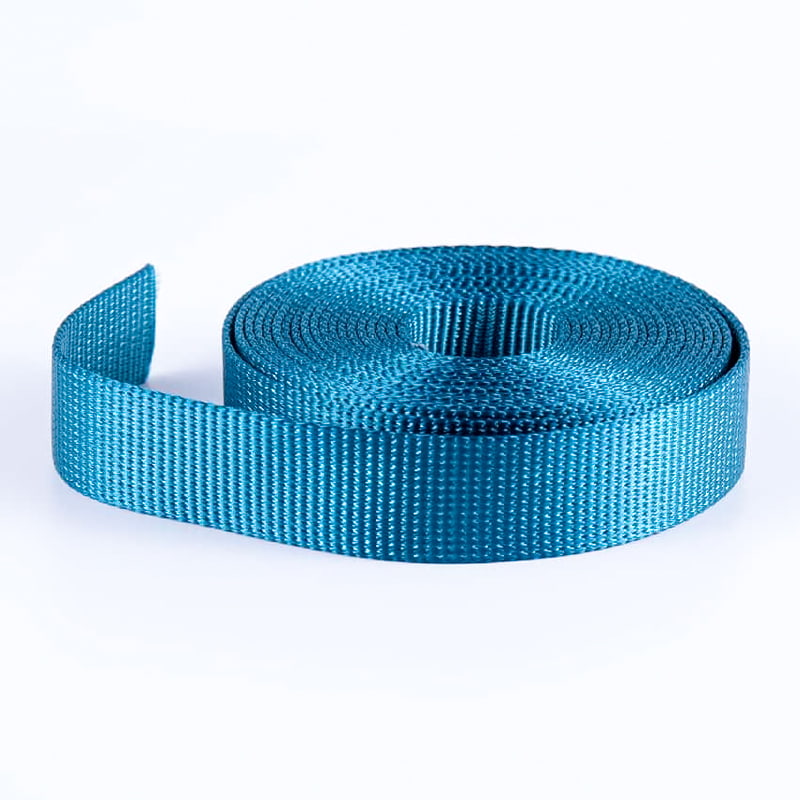
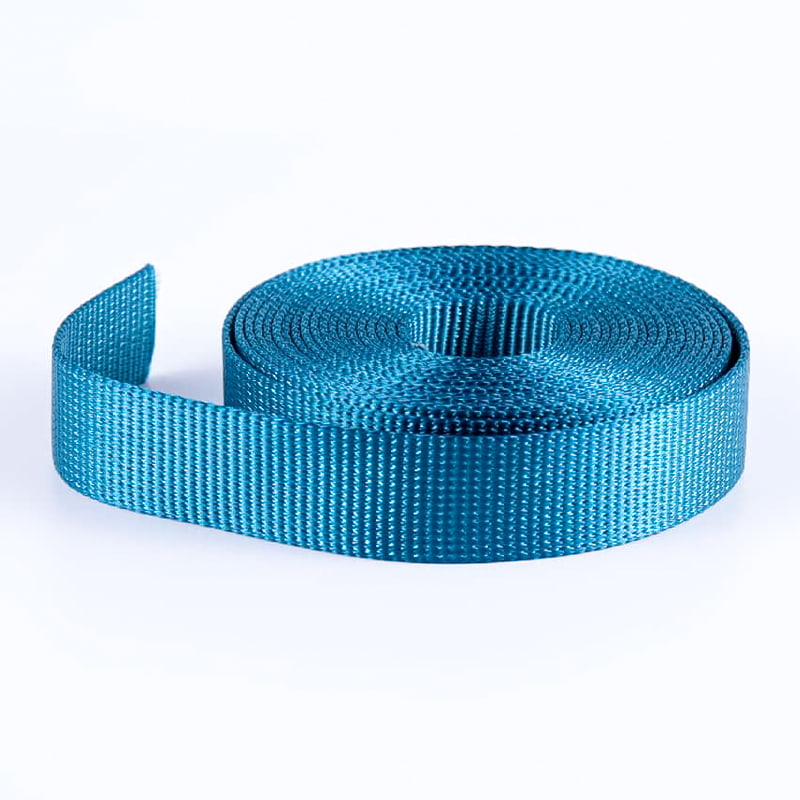
In the competitive world of industrial textiles, the balance between environmental responsibility and high performance is no longer a luxury but a necessity. The industry has seen a massive shift toward Customized GRS certified eco-friendly nylon webbing straps, which provide a verified chain of custody for recycled content. These certified materials ensure that the webbing is free from harmful chemicals and produced under socially responsible conditions. For engineering applications, the structural density of the weave is vital; a high-density interlock prevents the fraying and edge-wear common in lower-quality alternatives. When evaluating the durability of these materials, it is important to consider the "filament-to-twist" ratio, which determines how the strap handles sudden kinetic loads. High-quality webbing maintains its dimensional stability even under fluctuating temperatures, making it a reliable choice for technical gear where failure is not an option. This evolution represents a sophisticated intersection of material science and environmental ethics, allowing brands to innovate fearlessly.
- GRS Certification: Guarantees at least 20% recycled content and strict adherence to environmental and social requirements.
- Color Precision: Advanced eco-friendly dyeing processes ensure deep penetration of pigments without excessive water waste.
- Structural Integrity: Sophisticated loom settings allow for variable widths and thicknesses tailored to specific load-bearing needs.
| Performance Metric | Eco-Friendly High-Tenacity Webbing | Standard Commercial Webbing |
| Tensile Strength Retention | 95-98% compared to virgin nylon | Variable, often 80-85% |
| Chemical Resistance | High resistance to oils and solvents | Moderate, prone to degradation |
| Environmental Impact | Low carbon footprint; recycled origin | High; derived from new petrochemicals |
Specialized Applications for Eco-Friendly Webbing
The versatility of sustainable webbing is best demonstrated in extreme environments where safety and longevity are paramount. In the maritime sector, equipment is constantly exposed to salt, moisture, and intense solar radiation, necessitating the use of UV-resistant eco-friendly nylon webbing straps for marine use. Without specialized UV stabilizers, nylon fibers can become brittle and lose their elasticity, leading to potential safety hazards. Similarly, the outdoor gear industry demands materials that can withstand rugged terrain and constant friction. The development of High-tensile eco-friendly nylon webbing straps for outdoor gear has revolutionized the production of climbing harnesses, safety lanyards, and heavy-duty trekking equipment. Furthermore, the consumer goods market has embraced these materials for everyday use, specifically in the production of Durable recycled eco-friendly nylon webbing straps for backpacks. These straps must be soft enough for comfort yet strong enough to support heavy loads over years of use, showcasing the adaptability of recycled nylon in meeting diverse consumer needs across different stress levels.
- Marine Safety: Saltwater-resistant finishes prevent fiber rot and maintain grip in wet conditions.
- Outdoor Reliability: High-tensile variants are tested for impact force absorption and knot security.
- Ergonomic Comfort: Specialized weaving patterns reduce skin irritation for wearable straps while maintaining grip.
| Application Area | Key Material Requirement | Standard Compliance |
| Marine & Sailing | UV and Saltwater Resistance | ISO 105-B02 (Color Fastness) |
| Technical Outdoor Gear | Maximum Tensile Strength | EN 566 (Climbing Equipment) |
| Luggage & Backpacks | Abrasion Resistance & Aesthetics | ASTM D4157 (Abrasion Test) |
Manufacturing Excellence: The Global Advantage
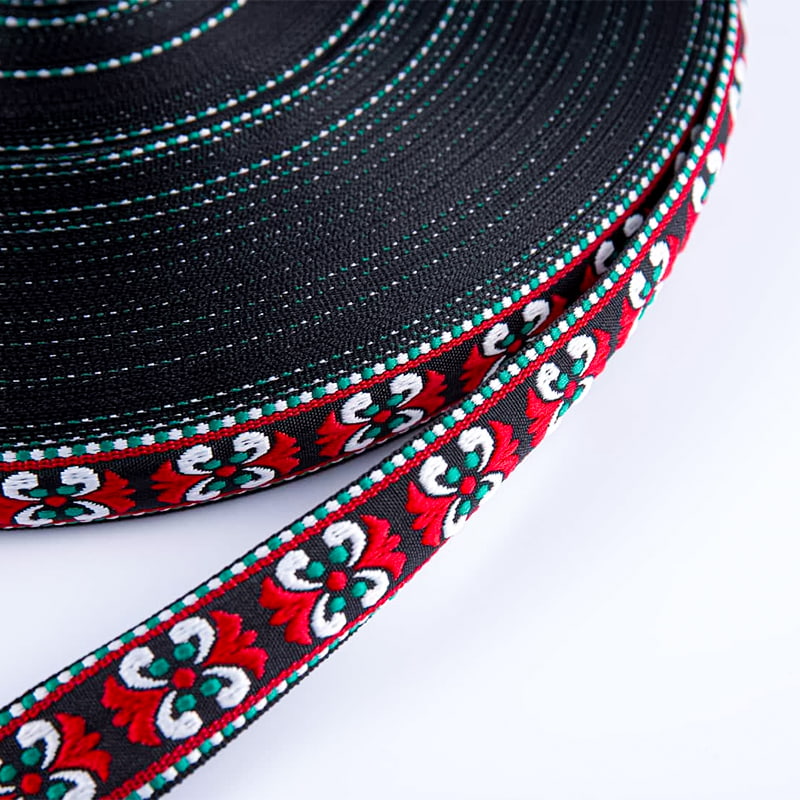
Reliable manufacturing begins with a foundation of experience and a commitment to technological advancement. Fengrun Rope Weaving Co., Ltd., established in 2000 in Haining, Zhejiang, has spent over two decades perfecting the art of textile engineering. As a professional manufacturer of ropes, webbing, and garment accessories, the company operates a suite of modern machinery designed to handle complex specifications. The integration of a strong technical team and strict quality control protocols allows for the production of Biodegradable eco-friendly nylon webbing straps wholesale suppliers can trust for consistent quality. By focusing on materials like polypropylene, polyester, and nylon, the production facility creates durable, wear-resistant goods that serve industries from home decor to international exports. Guided by the principle of "Quality and Innovation in Equal Measure," the manufacturing process ensures that every batch meets rigorous durability standards while offering a wide spectrum of colors. This dedication to craftsmanship and efficient management systems enables the delivery of custom orders that meet specific client samples with precision and competitive pricing.
- Decades of Expertise: Established in 2000 with a focus on consistent quality and technical innovation.
- Versatile Material Selection: Expertise in cotton, polyester, and high-performance nylon variants.
- Customization Capability: Direct support for sample-based manufacturing and large-scale wholesale orders.
| Service Feature | Fengrun Manufacturing Standard | Market Average |
| Lead Time | Optimized through efficient management | Variable/Unpredictable |
| Quality Control | Strict internal audits and technical testing | Basic visual inspections |
| Material Variety | Wide range of colors and fiber types | Limited stock options |
FAQ
How does the strength of recycled nylon compare to virgin nylon?
Modern Eco-friendly Nylon Webbing Straps made from recycled materials are engineered to meet the same industrial standards as virgin nylon. Through advanced mechanical and chemical recycling processes, impurities are removed, and the molecular chains are realigned to ensure that the tensile strength remains consistent. In most industrial applications, the difference in breaking strength is negligible, making recycled nylon a safe and effective substitute for heavy-duty load-bearing tasks.
What makes nylon webbing UV-resistant for outdoor use?
To produce UV-resistant eco-friendly nylon webbing straps for marine use, manufacturers incorporate specialized light-stabilizing additives during the dyeing or extrusion phase. These chemicals absorb or reflect harmful ultraviolet rays that would otherwise cause "photo-degradation," a process where the polymer chains break down, leading to fading and loss of strength. This treatment is essential for any webbing intended for long-term outdoor or maritime exposure.
Can eco-friendly webbing be customized for specific brand colors?
Yes, as leading Biodegradable eco-friendly nylon webbing straps wholesale suppliers, we utilize high-precision dyeing equipment that can match specific Pantone colors or physical samples provided by the client. Using eco-friendly dyes ensures that the colors are not only vibrant and resistant to bleeding but also compliant with international safety standards for garment and accessory use.