English
  中文简体
中文简体 We are a national high-tech enterprise. At present, there are many kinds of self-woven and cooperatively processed fabrics, including microfiber warp-knitted towel cloth, weft-knitted towel cloth, coral fleece, etc.
Content
The Natural Advantage: Understanding Cotton Webbing
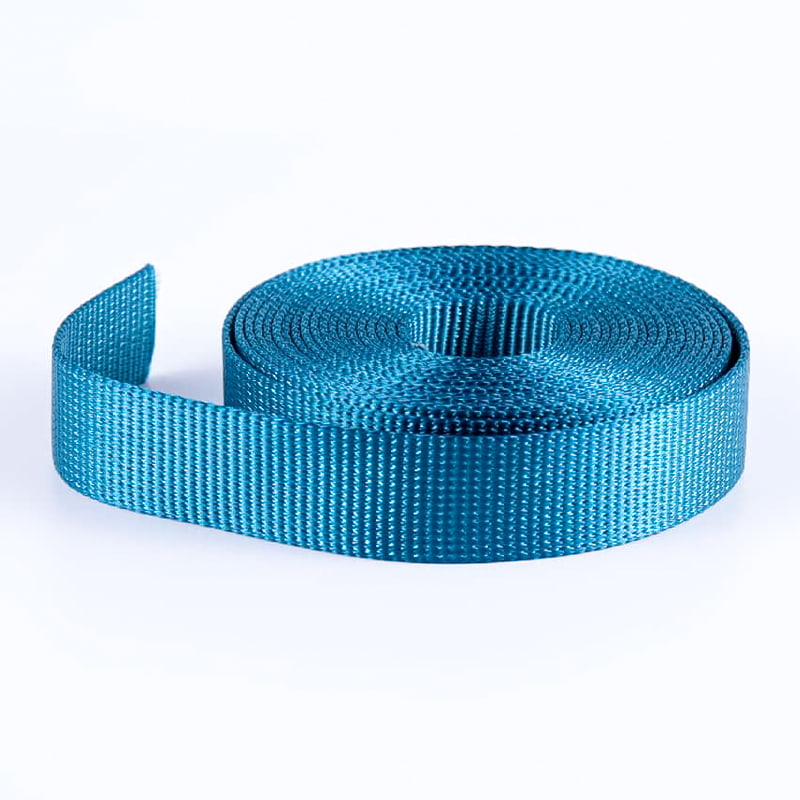
Cotton Webbing for Pet Training Leashes
In the world of pet accessories, material choice is paramount, especially for a critical tool like a training leash. Cotton webbing for pet training leashes stands out as a superior choice that merges centuries-old natural fiber benefits with modern textile engineering. Unlike synthetic alternatives derived from petrochemicals, cotton is a renewable, plant-based fiber known for its exceptional breathability and moisture-wicking properties. This inherent breathability prevents the buildup of sweat and heat between the handler's hand and the leash, a common issue during intense or prolonged training sessions that can lead to discomfort for both human and pet. Furthermore, cotton fibers possess a natural softness that improves with use, developing a comfortable patina over time rather than stiffening or cracking as some plastics do.
The strength of modern cotton webbing is a result of advanced spinning and high-density weaving techniques. When engineered by a specialized manufacturer, cotton yarns are twisted and plied to create a strong, consistent thread that is then woven on industrial looms under precise tension. This process creates a fabric that is both flexible and remarkably tough, capable of distributing force evenly across its width to withstand sudden pulls. The result is a leash material that offers a unique combination of comfort, durability, and a natural, non-slip grip that performs reliably in various conditions.
Cotton vs. Synthetic Fibers: A Feel and Function Comparison
Selecting the right leash material involves balancing key performance attributes. While nylon and polyester dominate the market for their high tensile strength and water resistance, cotton offers a distinct user experience that prioritizes comfort and environmental interaction.
| Attribute | Cotton Webbing | Nylon/Polyester Webbing |
| Hand Feel | Naturally soft, warm, and breathable. Improves with use. | Can feel stiff, slick, or plasticky. May retain hand sweat. |
| Grip & Control | Provides a secure, non-slip grip even when wet from rain or sweat. | Can become slippery when wet, reducing control. |
| Environmental Impact | Biodegradable, renewable resource. Lower static charge. | Derived from non-renewable petroleum. Not biodegradable. |
| Durability Focus | Excellent resistance to abrasion and UV degradation with proper treatment. Strong and durable. | Exceptional tensile strength and high resistance to mildew and chemicals. |
| Best For | Daily training, comfort-focused handling, eco-conscious consumers, dogs sensitive to static. | Highly specialized sport, wet environments, maximum strength-to-weight ratio needs. |
Key Features for Effective Training and Comfort
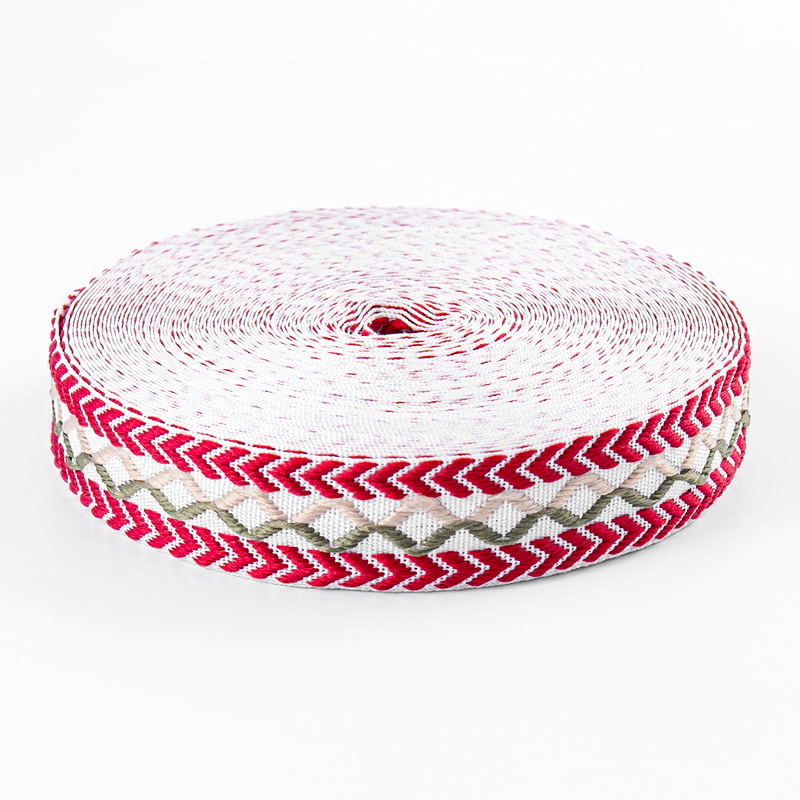
The effectiveness of a training session is heavily influenced by the handler's comfort and confidence in their equipment. A leash that causes hand fatigue or fails to provide a secure grip can undermine communication and control. This is where the specific engineering of cotton webbing comes to the forefront. Premium cotton webbing for pet training leashes is not merely a strip of fabric; it is designed with the biomechanics of the human hand and the dynamic forces of a moving dog in mind. The weave structure is optimized to be supple enough to lie comfortably in the hand without digging in, yet dense enough to prevent stretching under load, ensuring that cues are transmitted immediately and clearly to the dog. For a manufacturer like Fengrun Rope Weaving Co., Ltd., achieving this balance is a core competency, leveraging years of expertise in weaving to produce materials that meet the nuanced demands of pet professionals and owners alike.
Gentle on Hands: The Benefit of Soft Cotton Dog Leash Webbing Material
Prolonged use of a poorly designed leash can lead to blisters, calluses, and tendon strain. The advantage of soft cotton dog leash webbing material is its inherent cushioning and friction management. The natural fibers create a slightly textured surface that increases friction against the skin, reducing the need for a tight, straining grip. This allows trainers to maintain a firm but relaxed hold, which is crucial for delivering calm, consistent signals. During long sessions or in climates with variable humidity, cotton's breathability wicks moisture away, keeping hands drier and preventing the chafing that can occur with non-breathable synthetics. This focus on handler ergonomics makes cotton webbing an excellent choice for puppy socialization classes, obedience training, and daily walks where comfort encourages longer, more positive interactions.
Built to Last: Engineering Durable Cotton Webbing for Heavy Duty Dog Leashes
The term "heavy duty" must be quantifiable. For durable cotton webbing for heavy duty dog leashes, durability is engineered through several key factors:
- Yarn Ply and Twist: Using multiple plies of high-grade, long-staple cotton yarn twisted together significantly increases tensile strength and resistance to abrasion.
- Weave Density (Thread Count): A higher density of threads per inch creates a tighter, less porous fabric that is more resistant to tearing and fraying, especially at stitch points and hardware attachments.
- Finishing Treatments: Post-weaving processes, such as compacting or resin finishes, can be applied to lock the weave in place, further enhancing strength and providing a degree of water resistance without compromising the natural feel.
This engineered approach allows cotton webbing to reliably handle the sustained and sudden loads from strong, energetic breeds, making it a viable and comfortable option for power chewers and working dogs where control and durability are non-negotiable.
Aligning with Modern Values: The Sustainable Choice
The pet industry is experiencing a significant shift towards sustainability, with consumers actively seeking products that align with their environmental values. Sourcing eco-friendly cotton pet leash strap wholesale is no longer a niche consideration but a strategic business decision for brands and retailers. Organic cotton, grown without synthetic pesticides, and recycled cotton options offer a reduced environmental footprint from the very beginning of the supply chain. For businesses, offering leashes made from such materials caters to a growing, loyal demographic willing to invest in responsibly made products. It also future-proofs inventory against tightening regulations on materials and waste. A manufacturer's commitment to sustainable practices, from sourcing certified fibers to minimizing water and energy use in production, becomes a key partnership criterion for forward-thinking brands looking to build authentic green credentials.
From Functional to Branded: The Customization Opportunity
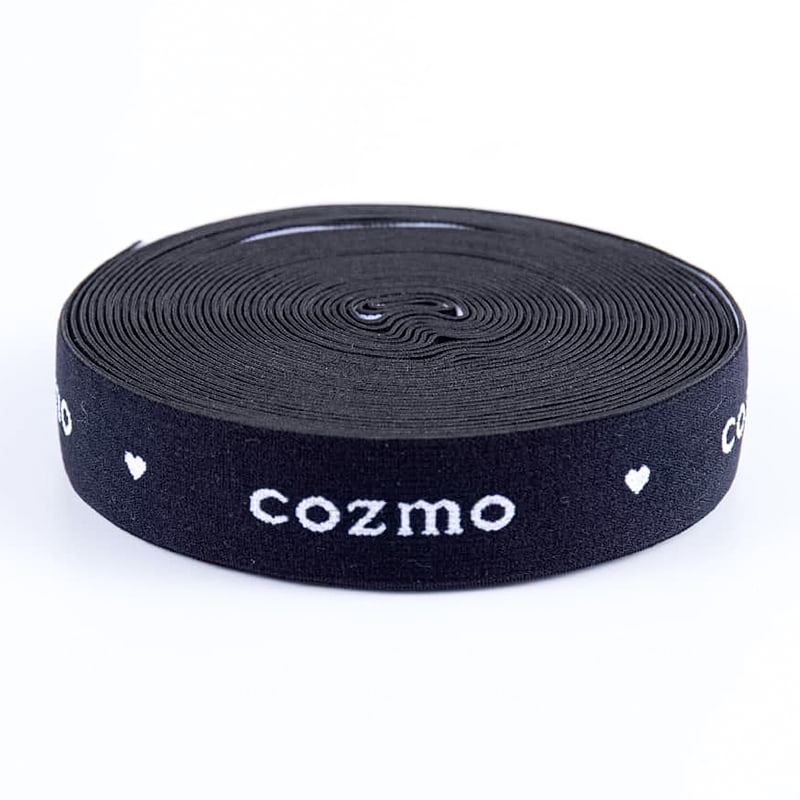
A leash is a high-visibility touchpoint between a brand and its customer. Custom printed cotton webbing for dog training leads transforms a universal tool into a powerful brand ambassador. Customization allows pet brands, training facilities, and corporate gift programs to embed logos, patterns, or functional text directly onto the leash. Techniques vary:
- Digital Printing: Ideal for complex, multi-colored graphics or photographic-quality images. It allows for short runs with minimal setup cost.
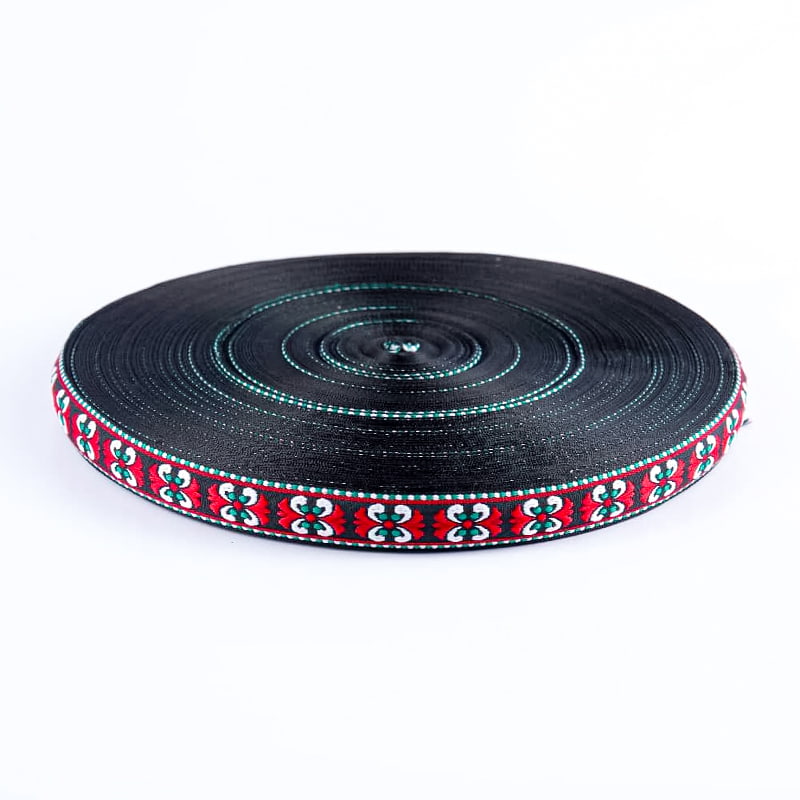
- Jacquard Weaving: Weaves the design directly into the fabric structure, making it extremely durable and suitable for repeating patterns or brand logos. This method is a specialty of experienced weaving manufacturers.
This level of personalization not only enhances product visibility in a crowded market but also fosters a strong sense of community and loyalty among users, turning a simple leash into a statement of affiliation and quality.
Sourcing with Expertise: Finding the Right Manufacturing Partner
Producing a superior pet leash requires more than just assembling components; it starts with the right raw material. Partnering with a dedicated cotton blend webbing manufacturer for pet products ensures access to expertise specific to the application. A specialized manufacturer understands the need for pet-safe dyes and finishes, can advise on optimal webbing width and thickness for different dog sizes, and has the testing protocols in place to verify breaking strength and colorfastness. They control the entire process from fiber selection to finished weave, guaranteeing consistency—a critical factor when producing large wholesale batches for global export. The collaboration between brand and manufacturer in the development phase is crucial for optimizing the final product's performance, safety, and aesthetic appeal.
FAQ
Is cotton webbing strong enough for large or powerful dog breeds?
Absolutely, when engineered correctly. The strength of cotton webbing for pet training leashes is not about the individual fiber but about the construction. High-performance cotton webbing uses multi-ply, long-staple yarns in a tight, dense weave (often a basket or herringbone weave) that distributes force effectively. Its breaking strength can meet or exceed industry standards for large breeds. It's crucial, however, to source from a manufacturer that specifies the weight-bearing capacity and uses reinforced bar-tacking at stress points. While it may have a different feel than ultra-stiff nylon, a well-made cotton leash offers ample strength combined with superior handling comfort for controlling powerful dogs.
How do I clean and maintain a cotton dog training leash?
Proper care extends the life and appearance of a cotton leash. For general cleaning, wipe with a damp cloth. For a deeper clean:
- Hand wash in lukewarm water with a mild detergent. Avoid bleach or harsh chemicals.
- Gently scrub the webbing, rinse thoroughly, and press (do not wring) out excess water.
- Hang to dry fully in a well-ventilated area away from direct heat or sunlight, which can cause fading.
- Periodically check hardware (clips, rings) for signs of wear, as maintenance applies to the entire leash assembly.
Allowing the leash to dry completely before storage prevents mildew and preserves the integrity of the fibers.
What are the water resistance properties of cotton webbing?
Untreated cotton is absorbent; it will soak up water when exposed to rain or puddles. However, this characteristic also gives it a unique safety advantage: the grip actually improves when damp, unlike many synthetics that become slippery. For those seeking water resistance, manufacturers can apply eco-friendly water-repellent finishes (like wax-based or PFC-free DWR treatments) during production. These treatments cause water to bead up and roll off the surface while largely retaining the natural hand feel. It's important to discuss this requirement with your supplier, as it is a specific finishing option rather than a standard feature of all cotton dog leash webbing material.
Can you get custom colors and widths for specific training needs?
Yes, customization is a major advantage of working with a professional manufacturer. Custom colors are achieved through solution dyeing or yarn dyeing processes, ensuring color runs through the entire webbing for fade resistance. Standard widths for leashes range from 3/4" to 1.5", but specialized widths can be produced for specific applications—for instance, a wider, stiffer webbing for bite work or a narrower one for small-dog agility. Providing a manufacturer with clear specifications on color (Pantone codes are ideal), width, thickness, and target breaking strength allows them to produce a custom printed cotton webbing or plain webbing that perfectly matches your product vision and functional requirements.