English
  中文简体
中文简体 We are a national high-tech enterprise. At present, there are many kinds of self-woven and cooperatively processed fabrics, including microfiber warp-knitted towel cloth, weft-knitted towel cloth, coral fleece, etc.
Content
- 1 Understanding the Essentials of Webbing for Pet Leash
- 2 Enhancing Safety and Visibility
- 3 Comfort and Design Considerations
- 4 Sourcing and Wholesale Solutions
- 5 FAQ
Selecting the right material for pet accessories is a critical decision that impacts the safety, comfort, and durability of the product. Among the various options available, Webbing for Pet Leash stands out as the industry standard due to its exceptional strength-to-weight ratio and versatility. Whether for a casual walk in the park or rigorous training sessions, the integrity of the webbing ensures that pet owners can maintain control without compromising on comfort. This specialized fabric is engineered to withstand significant pulling forces, resist abrasion from daily use, and endure varying weather conditions without degrading. As the pet industry continues to evolve, the demand for high-quality webbing that meets specific safety standards has surged, prompting manufacturers to innovate with advanced weaving techniques and material blends. Understanding the technical specifications and benefits of different webbing types allows businesses and consumers alike to make informed choices that prioritize animal welfare and user satisfaction.
- High tensile strength capable of withstanding sudden pulling forces.
- Resistance to abrasion, fraying, and UV radiation for outdoor use.
- Availability in various widths and thicknesses for different animal sizes.
- Soft texture that prevents cutting into the skin or causing discomfort.
Understanding the Essentials of Webbing for Pet Leash
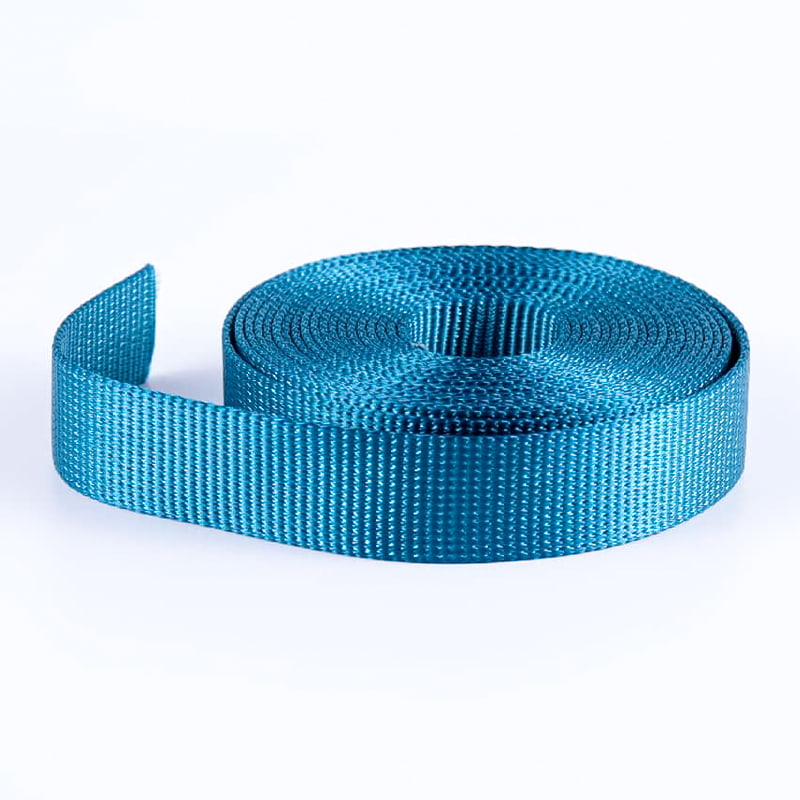
The construction of Webbing for Pet Leash involves complex weaving processes that determine the final performance of the product. Typically made from synthetic fibers like nylon or polyester, or natural fibers like cotton, these materials are woven into flat strips or tubes that offer superior load-bearing capabilities. The choice of material affects not only the strength but also the flexibility and feel of the leash. For instance, while nylon is known for its elasticity and shock absorption, polyester offers minimal stretch and higher resistance to moisture. Furthermore, the weaving pattern—whether it is a tight plain weave or a more complex tubular weave—contributes to the webbing's ability to maintain its shape under pressure. Selecting the appropriate webbing is essential for ensuring that the leash does not snap or stretch excessively during use, thereby preventing potential accidents.
- Material Composition: Options include nylon, polyester, polypropylene, and cotton blends.
- Weave Density: Tighter weaves provide higher durability and resistance to dirt.
- Flexibility: High-quality webbing remains pliable without twisting or kinking.
- Load Capacity: Engineered to handle specific weight classes of pets.
The Importance of Material Durability
Durability is the cornerstone of any effective pet restraint system. When manufacturing or purchasing a leash, the primary concern should always be the material's ability to resist wear and tear over time. Webbing for Pet Leash must endure constant friction against clips, rings, and the pet's collar, as well as exposure to the elements. High-durability materials ensure that the leash remains safe throughout its lifecycle, even under the stress of a pulling dog. Manufacturers often treat webbing with specialized coatings to enhance water resistance and prevent mold growth, which is particularly important for pets that enjoy swimming or walking in the rain. Investing in durable webbing reduces the frequency of replacements and offers peace of mind regarding the pet's safety.
| Durability Factor | Benefit |
| Abrasion Resistance | Prevents fraying at connection points and along the length. |
| UV Stability | Resists fading and weakening when exposed to sunlight. |
| Water Repellency | Dries quickly and prevents rotting or odor buildup. |
| Tensile Strength | Ensures the leash will not break under sudden pressure. |
Breaking strength and load-bearing capacity
Understanding the technical limits of webbing is vital for safety. Breaking strength refers to the point at which the webbing will fail under tension, while safe working load is a fraction of that limit. For pet leashes, a significant safety margin is necessary to account for dynamic loads caused by a pet lunging or running. High-quality Webbing for Pet Leash is tested rigorously to ensure it can handle forces several times the weight of the animal. This ensures that even in unexpected situations, the leash remains intact. Proper testing protocols involve weight suspension and cyclic loading tests to simulate real-world conditions.
- Static Testing: Measuring the exact point of failure under stationary weight.
- Dynamic Testing: Simulating the shock of a sudden stop or lunge.
- Safety Margins: Manufacturing webbing with breaking strengths 3-5 times the rated load.
- Consistency: Ensuring every batch meets the same high standards.
Nylon vs. Polyester: Selecting the Right Fiber
The debate between nylon and polyester is a common topic in the textile industry, especially regarding Webbing for Pet Leash. Both materials have distinct advantages that make them suitable for different environments. Nylon is generally softer and more elastic, which provides a degree of shock absorption if a dog pulls suddenly. However, it can absorb water, leading to potential weakening or mold if not dried properly. Polyester, on the other hand, is hydrophobic, meaning it resists water absorption and dries very quickly, making it ideal for wet climates. It also has better UV resistance than nylon. The choice between the two often comes down to the specific usage scenario and the desired balance between comfort and environmental resistance.
| Feature | Nylon Webbing | Polyester Webbing |
| Stretch Factor | High elasticity, absorbs shock | Low stretch, firm control |
| Water Resistance | Absorbs water, slower drying | Repels water, quick drying |
| UV Resistance | Good, but fades over time | Excellent, long-lasting color |
| Surface Feel | Smoother, softer | Slightly rougher, very durable |
Water resistance and UV stability comparison
For outdoor enthusiasts, the environmental resilience of the leash material is a top priority. Webbing for Pet Leash used in hiking or marine environments must withstand prolonged exposure to sun and water. While nylon offers superior strength, its tendency to absorb water can lead to mildew and a decrease in tensile strength when wet. Polyester excels in these conditions, maintaining its structural integrity and color vibrancy even after months of sun exposure. When selecting webbing for products intended for outdoor use, prioritizing UV-stabilized fibers and hydrophobic coatings is essential for longevity.
- Mold Prevention: Polyester's resistance to absorption inhibits mold growth.
- Color Fastness: Polyester holds dye better under intense sunlight.
- Dimensional Stability: Polyester does not shrink or stretch when wet.
- Saltwater Resistance: Both materials handle saltwater well, but polyester is easier to clean.
Enhancing Safety and Visibility
Safety in pet accessories extends beyond just the strength of the material; it also encompasses visibility and control features. A robust leash is only effective if it allows the owner to maintain control in various lighting conditions. Modern advancements in textile manufacturing have integrated safety features directly into the webbing, such as reflective threads and high-contrast patterns. These innovations are crucial for early morning or late evening walks, ensuring that both the pet and the owner are visible to passing traffic. Furthermore, the tactile feedback provided by the webbing affects the handler's ability to communicate with the pet. A leash that offers a good grip without being abrasive enhances control, reducing the risk of the handle slipping out of the owner's hand during a critical moment.
- High-visibility colors for easy spotting during the day.
- Integrated reflective strips for nighttime safety.
- Textured weaves for improved grip and handling.
- Shock-absorbing properties to reduce injury risk.
The Role of Reflective Webbing for Dog Leads
Visibility is a major safety concern for pet owners, particularly in urban areas or rural roads with poor lighting. Reflective Webbing for Dog Leads addresses this issue by incorporating glass beads or reflective micro-prisms into the weave of the fabric. These materials bounce light back to its source, such as car headlights, making the leash—and consequently the dog—glow in the dark. This feature is not just a cosmetic addition but a critical safety element that significantly reduces the likelihood of accidents. When sourcing this type of webbing, it is important to verify the quality of the reflective material, as high-grade reflective tapes retain their properties longer after repeated washings and abrasions.
- Enhanced Visibility: Makes pets visible from up to hundreds of meters away.
- Durability: Integrated reflective threads withstand washing and wear.
- Aesthetics: Adds a modern, high-tech look to the leash design.
- Versatility: Can be combined with various colors and patterns.
How reflective stitching improves nighttime safety
Broad strips of reflective material are effective, but detailed reflective stitching offers a sleek alternative without compromising safety. This technique involves sewing reflective yarn directly into the seams or creating patterns along the length of the Webbing for Pet Leash. This ensures that even if the main webbing is a dark color, the stitching provides the necessary illumination. This method is often preferred for high-end pet accessories where the aesthetic appeal is as important as functionality. The stitching ensures that the reflective element is an integral part of the leash structure, preventing it from peeling off or fading over time.
| Safety Feature | Construction Method | Effectiveness |
| Reflective Tape | Heat-bonded or sewn onto the webbing | High visibility, can peel if low quality |
Reflective YarnWoven directly into the fabricModerate visibility, highly durableReflective CoatingPrinted onto the surfaceLow durability, fades quickly
Features of Heavy Duty Webbing for Dog Leash
For owners of large, powerful, or energetic breeds, standard webbing may not suffice. Heavy Duty Webbing for Dog Leash is designed with reinforced fibers and tighter weaves to handle extreme pulling forces. This type of webbing often uses thicker nylon or polyester strands and may feature a tubular construction for added strength. The hardware attached to this webbing, such as hooks and clasps, must also match the webbing's durability to prevent failure. Using heavy-duty webbing ensures that the leash will not snap or stretch dangerously, providing the handler with confidence and control during walks or training sessions.
- Reinforced Edges: Prevents unraveling under high tension.
- Increased Width: Wider straps distribute pressure more evenly.
- High-Density Weave: Resists chewing and scratching by the pet.
- Industrial Strength: Rated for weights exceeding 200 lbs in many cases.
Recommended width and thickness for large breeds
The dimensions of the webbing play a crucial role in its performance. For large breeds, a width of at least 1 inch (25mm) is generally recommended to prevent the leash from cutting into the owner's hand and to provide enough surface area for strength. Thickness is equally important; a thin webbing might be strong enough but can feel sharp or flimsy. A heavy-duty leash typically uses webbing that is several millimeters thick, providing a robust feel and ensuring that the product can withstand the kinetic energy of a running dog. Selecting the correct dimensions ensures comfort for both the handler and the pet.
| Dog Size Category | Recommended Width | Material Thickness |
| Small to Medium | 1/2 inch to 3/4 inch | Standard (approx. 2mm) |
| Large Breeds | 1 inch to 1.5 inches | Thick (approx. 3mm+) |
| Giant Breeds | 1.5 inches to 2 inches | Extra Thick (approx. 4mm+) |
Comfort and Design Considerations
While strength is the primary function of a leash, comfort determines its usability. No owner wants to use a leash that burns their hands or causes discomfort to their pet. Modern Webbing for Pet Leash design focuses heavily on ergonomics and tactile experience. This includes the use of softer blends for the handle area, padding, and breathable weaves that prevent sweat accumulation. The aesthetic aspect is also significant; pet owners view leashes as accessories that reflect their style. Consequently, manufacturers are offering a vast array of colors, patterns, and customizable options to cater to diverse consumer preferences, blending fashion with function seamlessly.
- Ergonomic Handles: Designed to fit the natural curvature of the hand.
- Soft Blends: Materials that prevent chafing and skin irritation.
- Breathability: Weaves that allow air flow to keep hands cool.
- Style Options: Vibrant colors and patterns to match pet personalities.
Why Soft Handle Webbing for Dog Leash Matters
The point of contact between the owner and the leash is the handle, and this area requires special attention. Soft Handle Webbing for Dog Leash incorporates plush materials, neoprene padding, or specialized soft-weave techniques to cushion the hand. This is particularly important for dogs that pull, as the friction can quickly cause burns or blisters on standard nylon webbing. A soft handle transforms the walking experience from a struggle into a pleasant activity. By integrating softness without sacrificing strength, manufacturers ensure that the leash is comfortable to hold for extended periods, whether during a long hike or a casual stroll around the neighborhood.
- Shock Absorption: Soft handles often act as a buffer against pulling forces.
- Grip Enhancement: Soft materials often provide better friction and less slip.
- Prevention of Injury: Protects the skin from rope burn and chafing.
- User Comfort: Makes the leash enjoyable to hold, encouraging more frequent walks.
Preventing handler fatigue and rope burn
Handler fatigue is a common issue with poorly designed leashes. Constant tension from a pulling dog transfers energy directly to the hand and wrist. Soft Handle Webbing for Dog Leash mitigates this by dispersing the force over a larger area and absorbing some of the shock. Additionally, the smooth finish of high-quality soft webbing prevents the "rope burn" effect caused by rapid friction. This is achieved by brushing the surface of the fibers or fusing a soft outer layer to the strong inner core. These design elements are crucial for maintaining a secure grip without physical discomfort, ensuring safety through better control.
| Handle Type | Comfort Level | Durability |
| Standard Nylon | Low (Can cause friction burns) | High |
| Padded Neoprene | High (Cushioned grip) | Medium (Can peel over time) |
| Soft-Weave Webbing | Medium-High (Soft texture) | High (Integrated structure) |
Customization and Aesthetics
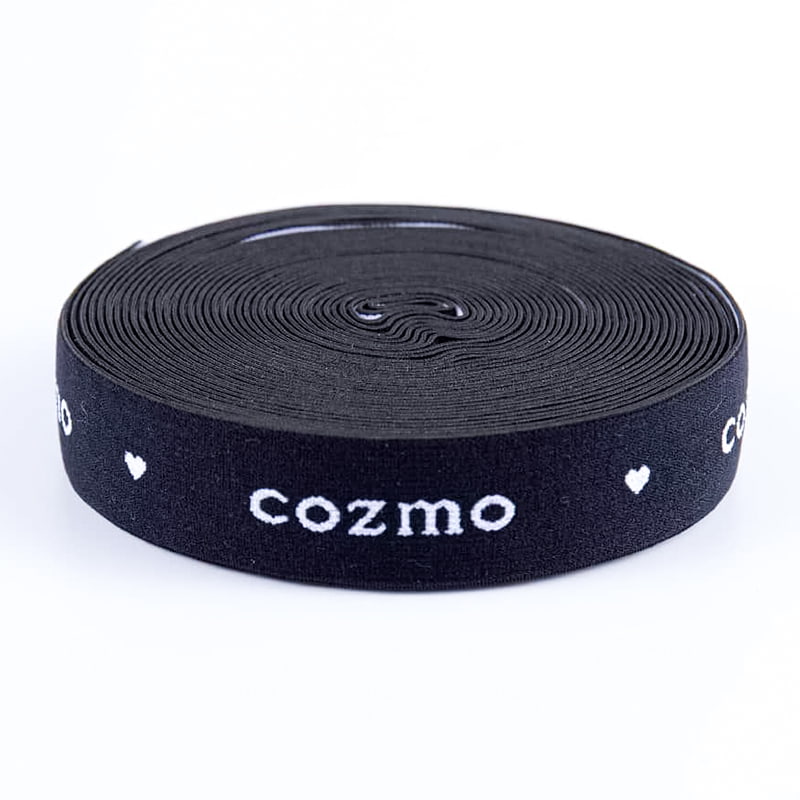
In a competitive market, product differentiation is key. Customization allows brands to create unique identities that resonate with their customers. Custom Printed Webbing for Pet Accessories enables manufacturers to display logos, brand names, unique patterns, or instructional messages directly onto the leash. This is achieved through sublimation printing, jacquard weaving, or heat transfer processes. High-quality custom printing is durable and does not crack or fade with use, ensuring that the brand remains visible throughout the product's life. This level of customization is not just about branding; it also allows for functional personalization, such as adding "Nervous" or "Do Not Pet" warnings for safety.
- Brand Reinforcement: Logos and colors increase brand recognition.
- Personalization: Owners can add pet names or contact info.
- Safety Messaging: Clear printing of behavioral warnings.
- Aesthetic Variety: Infinite possibilities for patterns and color gradients.
Utilizing Custom Printed Webbing for Pet Accessories
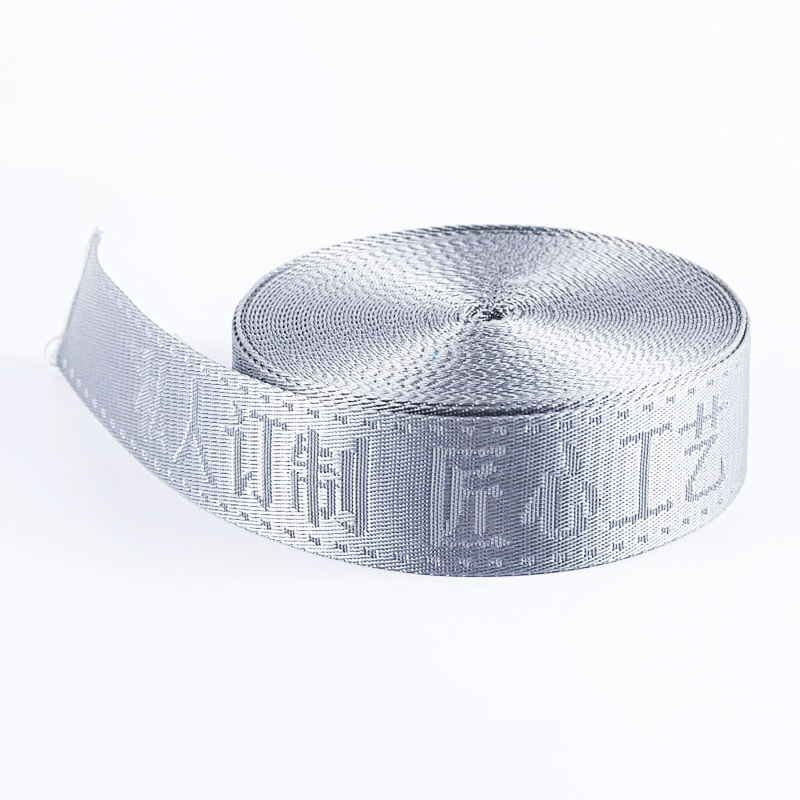
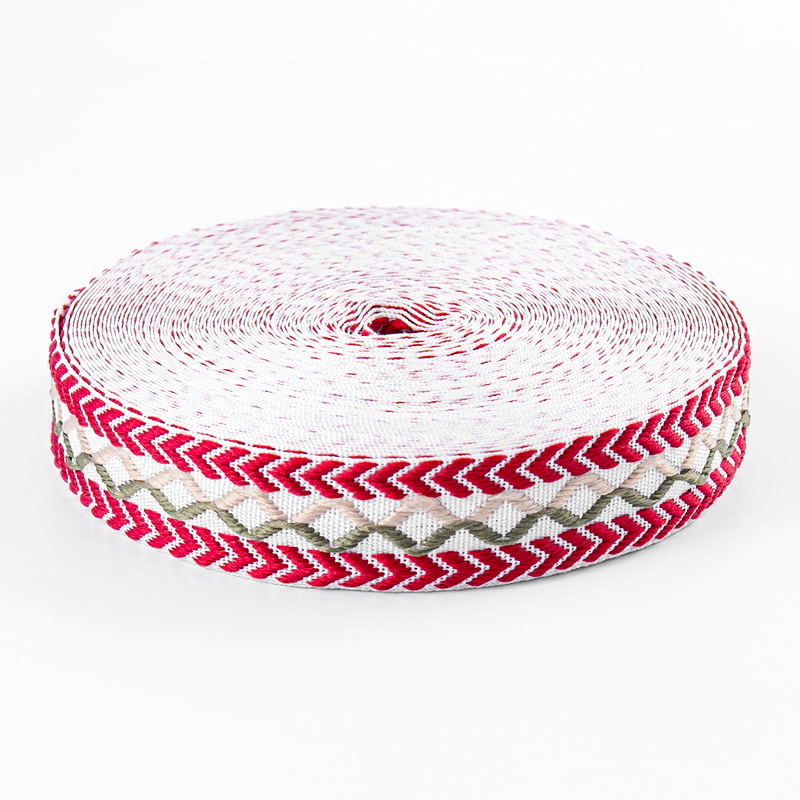
The technology behind Custom Printed Webbing for Pet Accessories has advanced significantly, allowing for photo-quality images and durable text. Sublimation printing is a popular choice because it dyes the fibers rather than sitting on top, resulting in a print that is as soft as the fabric itself and highly resistant to fading. Jacquard weaving offers a more premium, tactile option where the design is woven into the webbing structure. This creates a raised texture that adds to the luxury feel of the product. When choosing custom webbing, it is important to select a supplier who can manage color accuracy and resolution to ensure the final product matches the design intent.
| Printing Technique | Description | Best Use Case |
| Sublimation | Dye infused into fabric with heat | Complex, multi-color designs |
| Jacquard | Design woven directly into webbing | Logos, simple patterns, high-end look |
| Heat Transfer | Logo pressed onto surface | Simple, single-color logos |
Sourcing and Wholesale Solutions
For businesses in the pet industry, finding a reliable source for Webbing for Pet Leash is a critical component of supply chain management. The quality of the final product is inextricably linked to the quality of the raw materials used. Sourcing from reputable manufacturers ensures consistency, access to the latest material innovations, and compliance with international safety standards. Wholesale purchasing offers significant cost advantages, but it requires careful vetting of suppliers to ensure that reduced costs do not come at the expense of quality. Partnering with an experienced manufacturer allows businesses to leverage technical expertise for custom development and ensures a steady supply of inventory to meet market demand.
- Consistent Quality: Reliable suppliers maintain strict QC standards.
- Cost Efficiency: Wholesale pricing improves profit margins.
- Custom Development: Access to R&D for new webbing types.
- Supply Chain Reliability: On-time delivery prevents stockouts.
Benefits of Nylon Webbing for Pet Leash Wholesale
Purchasing Nylon Webbing for Pet Leash wholesale is a strategic move for many businesses due to the material's popularity and versatility. Nylon is the most commonly used material for pet leashes because of its balance of strength, elasticity, and cost-effectiveness. Buying in bulk allows manufacturers to secure the best prices on high-tenacity nylon yarns. Furthermore, wholesale suppliers often offer a wider range of colors and widths in stock, enabling quicker turnaround times for orders. Establishing a wholesale relationship ensures that a business can scale production up or down according to seasonal demands without sacrificing material quality or facing long lead times.
- Inventory Management: Keep popular colors and sizes in stock.
- Price Stability: Lock in prices to protect against market fluctuations.
- Volume Flexibility: Order large quantities tailored to production cycles.
- Quality Assurance: Bulk shipments are easier to test and certify.
Ensuring consistent quality for bulk orders
Consistency is the biggest challenge when dealing with bulk orders of Nylon Webbing for Pet Leash wholesale. Variations in dye lots, weaving tension, or material composition can result in a final product that looks or performs differently from batch to batch. To mitigate this, reputable suppliers implement rigorous quality control protocols at every stage of production. This includes testing the tensile strength of random samples, checking color fastness, and measuring dimensions precisely. By maintaining strict standards, suppliers ensure that every yard of webbing delivered meets the agreed-upon specifications, protecting the brand reputation of their clients.
| Quality Check | Purpose | Frequency |
| Tensile Test | Verify breaking strength | Per batch/dye lot |
| Color Fastness | Ensure color doesn't bleed or fade | Random sampling |
| Width/Thickness | Check dimensional accuracy | Continuous monitoring |
| Visual Inspection | Check for weaving defects | 100% inspection |
Introducing Fengrun Rope Weaving Co., Ltd.
Fengrun Rope Weaving Co., Ltd. is a distinguished professional manufacturer in the textile industry, established in the year 2000. Located in Haining, Zhejiang, the company has cultivated nearly two and a half decades of expertise in producing high-quality ropes, Webbing for Pet Leash, braided belts, waistbands, and garment accessories. The facility is equipped with a wide array of modern machinery designed for precision weaving and braiding. A cornerstone of Fengrun's operations is its strict quality control system, supported by a strong technical team dedicated to maintaining high standards. Through years of steady growth, the company has successfully built its own brand, focusing heavily on innovation and quality. The company continuously improves both its products and workforce, supported by an efficient management system that drives operational excellence.
- Established Expertise: Over 20 years in the industry since 2000.
- Advanced Machinery: State-of-the-art equipment for precision manufacturing.
- Strategic Location: Based in Haining, Zhejiang, a hub for textile production.
- Strong R&D: Technical team focused on continuous innovation.
A Legacy of Excellence Since 2000
Since its inception in 2000, Fengrun Rope Weaving Co., Ltd. has evolved into a comprehensive enterprise known for its reliability and quality. The company produces ropes and webbing from a variety of high-grade materials including polypropylene, polyester, cotton, and nylon. These products are available in multiple colors and specifications to meet the diverse needs of global clients. The applications for Fengrun's products are vast, spanning industries such as sofa manufacturing, toys, bags, straps, garments, and export goods. This versatility demonstrates the company's ability to adapt its manufacturing processes to suit specific market requirements, making them a preferred partner for businesses looking for Webbing for Pet Leash and related accessories.
| Experience | Product Range | Industries Served |
| Since 2000 | Ropes, Webbing, Belts | Garment, Pet, Outdoor |
| Global Reach | Custom Specifications | Toys, Furniture, Export |
| Technical Team | Strict QC | Bags, Straps, Accessories |
Comprehensive Product Range: Polypropylene, Polyester, Cotton, and Nylon
Fengrun Rope Weaving Co., Ltd. takes pride in its extensive material portfolio. By working with polypropylene, polyester, cotton, and nylon, the company offers solutions for virtually any application requiring Webbing for Pet Leash. Nylon provides high strength and elasticity for durable leashes. Polyester offers exceptional weather resistance. Cotton delivers a natural, soft feel for eco-friendly products, while polypropylene provides a cost-effective, buoyant option for water activities. This broad capability allows Fengrun to serve as a one-stop-shop for clients, simplifying the supply chain by providing diverse textile needs under one roof.
- Polypropylene: Lightweight, water-resistant, and economical.
- Polyester: Durable, UV-resistant, and low stretch.
- Cotton: Natural, soft, and biodegradable.
- Nylon: High tenacity, abrasion-resistant, and elastic.
Our Commitment to Quality and Innovation
Fengrun Rope Weaving Co., Ltd. is guided by the principle of "Quality and Innovation in Equal Measure." This philosophy drives the company to produce ropes that are not only durable and wear-resistant but also feature a wide color range to meet aesthetic demands. The company understands that the market is constantly evolving, and therefore, they place a strong emphasis on innovation to stay ahead of trends. Their workforce is continuously trained to adopt new techniques and technologies, ensuring that the manufacturing process remains efficient and cutting-edge. Whether it is standard Webbing for Pet Leash or custom-designed braided belts, Fengrun is committed to delivering excellence.
- Guiding Principle: "Quality and Innovation in Equal Measure."
- Durability Focus: Products engineered to be wear-resistant.
- Color Variety: Wide color range to match client needs.
- Continuous Improvement: Ongoing training and process refinement.
Custom Orders, Competitive Pricing, and On-Time Delivery
Customer satisfaction is the ultimate goal at Fengrun Rope Weaving Co., Ltd. The company welcomes custom orders based on samples, allowing clients to replicate specific textures or patterns they require. They understand the importance of cost in a competitive market, which is why they ensure reliable quality paired with competitive pricing. Moreover, the efficient management system at Fengrun guarantees on-time delivery, a critical factor for clients managing tight production schedules. By combining flexibility in customization with reliability in logistics, Fengrun establishes itself as a trustworthy partner for businesses seeking high-quality Webbing for Pet Leash.
| Service Feature | Client Advantage |
| Custom Orders (Sample-based) | Exact match for specific design requirements |
| Competitive Pricing | Improved profit margins for clients |
| On-Time Delivery | Reliable supply chain management |
| Strict Quality Control | Reduced returns and higher customer satisfaction |
FAQ
What is the difference between flat webbing and tubular webbing for pet leashes?
Flat webbing is a single layer of woven fabric, which is typically thinner and lays flat against the hand or the dog's neck. It is commonly used for standard leashes and collars where flexibility and low profile are desired. Tubular webbing, however, is woven into a tube shape, often folded over itself. It is generally thicker, softer, and stronger than flat webbing of the same width. Tubular webbing is often preferred for heavy-duty applications or for comfort in handles, as the tube construction can cushion the hand better than a single flat strip. Both can be made from Webbing for Pet Leash materials like nylon or polyester.
Can I wash a pet leash made of nylon webbing?
Yes, nylon webbing is quite durable and can usually be washed. Most leashes made of Webbing for Pet Leash can be hand-washed with mild soap and warm water. If the leash has metal hardware, ensure it is dried thoroughly to prevent rust. Some nylon leashes can also be machine washed on a gentle cycle; placing the leash in a mesh laundry bag can prevent it from tangling. Always check the care label provided by the manufacturer. Avoid using bleach, as it can weaken the fibers and cause colors to fade. Air drying is recommended to prevent potential heat damage from dryers.
Is polyester webbing better than nylon for saltwater environments?
Polyester is generally considered superior to nylon for saltwater and marine environments. While nylon is strong, it is hygroscopic, meaning it absorbs water. When it absorbs saltwater, it can become heavy and, if not rinsed properly, the salt crystals can degrade the fibers over time. Polyester is hydrophobic; it does not absorb water, so it dries quickly and does not retain salt. Additionally, polyester has better natural UV resistance than nylon, which is crucial in sunny, open water environments. Therefore, for dogs that frequently swim in the ocean, Webbing for Pet Leash made of polyester is often the more durable and long-lasting choice.
How much weight can standard pet leash webbing hold?
The breaking strength of standard Webbing for Pet Leash varies significantly depending on the width (e.g., 5/8 inch, 1 inch) and the material thickness. However, a typical high-quality 1-inch nylon webbing leash can have a breaking strength ranging from 2,000 to 5,000 pounds. Despite this high breaking strength, manufacturers often recommend a "working load" that is much lower, often around 1/5th of the breaking strength, to account for dynamic forces (sudden jerks), wear and tear, and knots which can reduce the strength of the webbing. Always choose a leash with a weight rating that exceeds your dog's weight significantly to ensure safety.