English
  中文简体
中文简体 We are a national high-tech enterprise. At present, there are many kinds of self-woven and cooperatively processed fabrics, including microfiber warp-knitted towel cloth, weft-knitted towel cloth, coral fleece, etc.
Content
- 1 1. Why Industrial Applications Demand Professional Webbing
- 2 2. Key Specification Reference Table
- 3 3. Material Comparison: Polyester vs. Nylon vs. PP
- 4 4. Tensile Strength and Safety Factor
- 5 5. Industry Standards and Certification
- 6 6. Common Misunderstandings in Webbing Procurement
- 7 7. Supplier Qualification Criteria
- 8 8. Frequently Asked Questions
Quick Answer
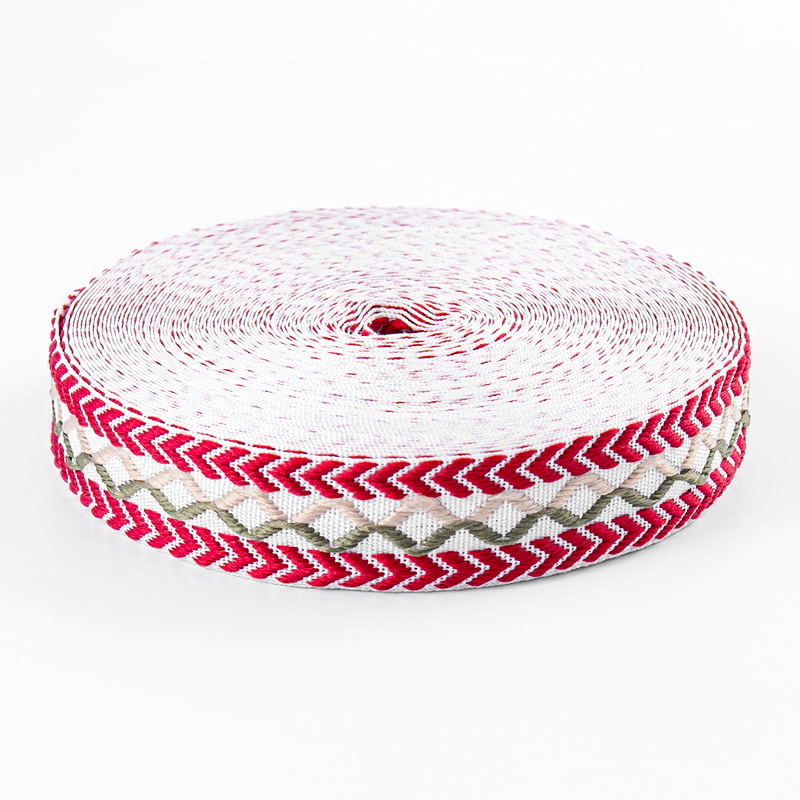
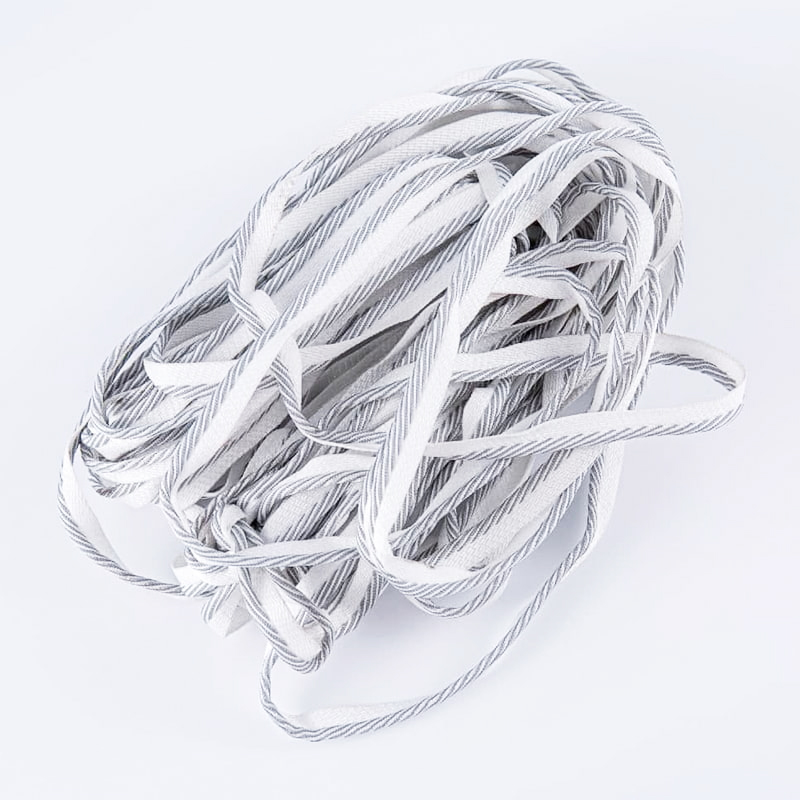
Woven ribbon tape selection requires evaluating base material (Polyester, Nylon, or PP), tensile strength and breaking load, abrasion and UV resistance, and width and thickness tolerance. For heavy-duty industrial strapping and lifting applications, polyester webbing with high-tenacity yarns is recommended.
1. Why Industrial Applications Demand Professional Webbing
In manufacturing, logistics, and heavy equipment sectors, woven ribbon tape functions as critical load-securing, lifting, and strapping components. Unlike consumer-grade tapes, industrial webbing must withstand repeated stress, environmental exposure, and dynamic loads. Selecting the wrong specification can lead to equipment damage, safety incidents, or frequent replacement cycles, directly impacting operational costs.
This guide provides an engineering-focused procurement framework covering material chemistry, mechanical properties, industry standards, and application-specific recommendations.
2. Key Specification Reference Table
| Width Range | 10 mm to 300 mm (customizable) |
| Thickness Range | 0.8 mm to 5.0 mm |
| Tensile Strength (Polyester) | 4,000 to 12,000 N per 50 mm width |
| Yarn Count (warp/weft) | 12x12 to 24x24 picks per inch |
| Operating Temperature | -40°C to +120°C (Polyester) |
3. Material Comparison: Polyester vs. Nylon vs. PP
Three polymer families dominate industrial webbing. Selection depends on mechanical demands and environmental exposure.
| Property | Polyester (PET) | Nylon (PA6/PA66) | Polypropylene (PP) |
|---|---|---|---|
| Tensile Strength | High | Very High | Moderate |
| Abrasion Resistance | Excellent | Good | Fair |
| UV Resistance | Excellent | Poor (degrades) | Good |
| Moisture Absorption | Low (0.4%) | High (4.5%) | Negligible |
| Elasticity / Stretch | Low (10% at break) | High (25%) | Low |
| Cost Index | Medium | High | Low |
| Recommended Use | Strapping, lashing, lifting | Dynamic load / shock absorption | Light-duty, chemical-exposed |
4. Tensile Strength and Safety Factor
Industrial webbing is rated by breaking strength (BS) and working load limit (WLL). The standard safety factor (SF) ranges from 5:1 to 7:1 depending on application (lifting vs. securing).
- Lifting applications: SF = 7:1 (e.g., 10,000 N BS to 1,430 N WLL)
- Cargo securing: SF = 5:1 (e.g., 10,000 N BS to 2,000 N WLL)
- Critical note: Always verify that the breaking strength is tested under standardized conditions (EN 1492-1 / AS/NZS 4380).
Pre-Purchase Checklist
- Have you defined the maximum dynamic load including shock factor?
- Is the application indoor, outdoor, or chemical-exposed?
- Does the webbing need flame retardant or antistatic treatment?
- Are width and thickness tolerances compatible with your hardware (buckles, clamps)?
- Has the supplier provided third-party test reports (not just self-declared)?
5. Industry Standards and Certification
Compliance with international standards is non-negotiable for industrial webbing. Key references include:
- EN 1492-1: Textile slings - Safety - Part 1: Flat woven webbing slings
- AS/NZS 4380: Lifting slings - Flat woven webbing
- DIN 7865: Webbing for lifting purposes
- GB/T 20118 (China): Steel wire ropes - but widely referenced for webbing testing
6. Common Misunderstandings in Webbing Procurement
Misunderstanding 1
Wider is always stronger
Strength depends on yarn denier, construction, and weaving density. A narrow tape with high-tenacity yarns can outperform a wider low-grade tape.
Misunderstanding 2
All polyester is the same
Different grades of PET yarn (standard vs. high-tenacity) yield significantly different breaking strengths. Always request the specific yarn specification.
Misunderstanding 3
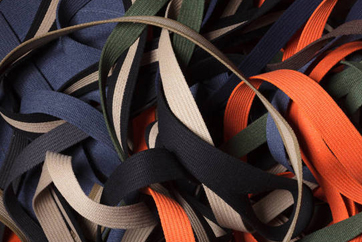
Color indicates quality
Color is primarily for identification. Black webbing may indicate UV protection, but does not certify mechanical strength.
Engineering Expert Insight
"In my 15 years of industrial webbing procurement, the most frequent failure point is edge abrasion. Standard webbing testing measures full-width breaking strength, but real-world damage often starts at the edges. Specify edge sealing or heat-cut edges for applications with frequent friction against metal edges."
7. Supplier Qualification Criteria
For B2B sourcing, beyond product samples, evaluate the following supplier capabilities:
- In-house yarn warping and dyeing capabilities (color consistency)
- Digital tension control during weaving (uniformity)
- In-line inspection systems (defect detection)
- Traceability from yarn batch to finished roll
- Custom width and thickness capabilities without minimum order quantity penalties
Haining Fengrun Rope Weaving Co., Ltd., established in 2004, operates advanced manufacturing equipment with strict factory management and innovative production concepts, supporting customized woven ribbon tape solutions for industrial applications.
8. Frequently Asked Questions
What is the difference between woven and non-woven tape?
Woven tape is constructed by interlacing warp and weft yarns, providing high tensile strength and dimensional stability. Non-woven tape is bonded fibers with lower strength, suitable for light-duty sealing or padding.
How should woven ribbon tape be stored?
Store in a cool, dry environment away from direct UV exposure. Avoid contact with acids, alkalis, and solvents. Optimal temperature range is 15°C to 30°C with relative humidity below 65%.
Can woven tape be used for overhead lifting?
Yes, if it meets the relevant sling standards (EN 1492-1 or AS/NZS 4380) with a safety factor of 7:1. Lifting-grade webbing requires additional inspection for cut edges and stitching quality.
What is the typical lead time for custom woven ribbon tape?
Standard lead time ranges from 15 to 30 days for custom specifications, depending on width, color, and quantity. Sample orders can be fulfilled within 7 to 10 days.
Key Takeaway
Woven ribbon tape procurement for industrial use requires a systematic approach: define the load profile, select the appropriate material chemistry, verify compliance with safety standards, and qualify suppliers based on production capabilities. The right choice improves safety, reduces downtime, and optimizes total cost of ownership.