English
  中文简体
中文简体 We are a national high-tech enterprise. At present, there are many kinds of self-woven and cooperatively processed fabrics, including microfiber warp-knitted towel cloth, weft-knitted towel cloth, coral fleece, etc.
Content
- 1 What Are Polypropylene Webbing Straps?
- 2 Hollow Polypropylene Webbing: A Closer Look
- 3 Polypropylene vs. Polyester vs. Nylon: Quick Material Comparison
- 4 Where Polypropylene Webbing Straps Work Best
- 5 What to Specify When Ordering Custom Polypropylene Webbing Straps
- 6 The Bottom Line for Polypropylene Webbing Straps
Ask most webbing buyers to name a strap that shrugs off water, stays lightweight, and handles chemical exposure without swelling, and polypropylene webbing straps usually come up early in the conversation. The reason is practical: polypropylene has very low moisture absorption, a low density of roughly 0.91 g/cm³, and good resistance to many dilute acids, alkalis and solvents. That makes it a strong candidate for outdoor gear, camping equipment, backpack components and other products where weight and wet conditions are part of normal use.
What Are Polypropylene Webbing Straps?
Polypropylene webbing straps are woven bands made from slit-film or extruded polypropylene tape yarns. The resin is melted, extruded into tapes, then woven on high-speed looms. The result is a strap with a slightly waxy surface, low stretch, and a lightweight feel. It is not the same as nylon or polyester webbing, and the differences show up in performance.
PP webbing absorbs very little moisture, so it does not become heavy or lose shape when wet. It also resists rot and mildew, which matters in outdoor and marine-adjacent uses. On the downside, the strength and abrasion resistance of a PP strap depend heavily on weave density, tape quality and whether UV stabilizers were added. A cheap PP strap can look fine but fail quickly in sunlight, so material grade and construction deserve as much attention as price.
Hollow Polypropylene Webbing: A Closer Look
One of the most useful forms of polypropylene webbing is hollow, or tubular, webbing. Instead of weaving a completely flat strap, the loom produces a continuous tube that can be flattened, sewn, or used with internal padding. This changes how the strap feels and performs in finished products.
What does hollow webbing mean?
Hollow webbing is constructed as a single woven sleeve. When flattened, it looks like a wide strap with folded edges. When opened, it has a clear channel running through the middle. The structure is often used for handles, pull straps, safety restraints, and outdoor equipment because it distributes pressure over a wider surface while remaining relatively soft and easy to sew.
Why choose hollow PP webbing for outdoor components?
Because polypropylene resists water and the woven tube shape spreads load across both faces, hollow PP webbing performs well in products that are used outdoors, packed tightly, or exposed to changing weather. It is also a good surface for printed colors or reflective yarns, which makes it popular for sports accessories, camping gear, and outdoor bags.
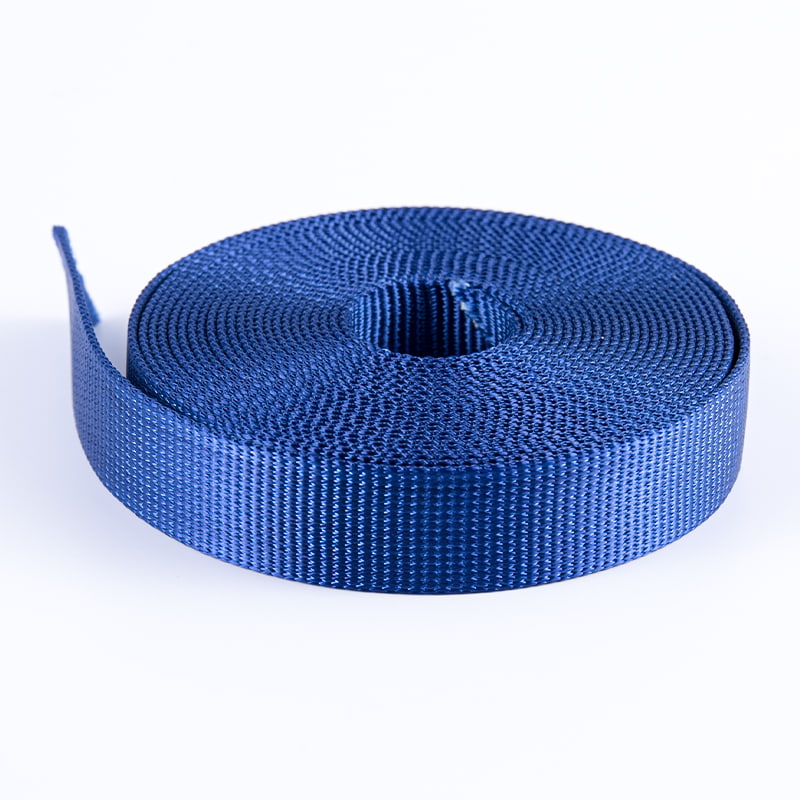
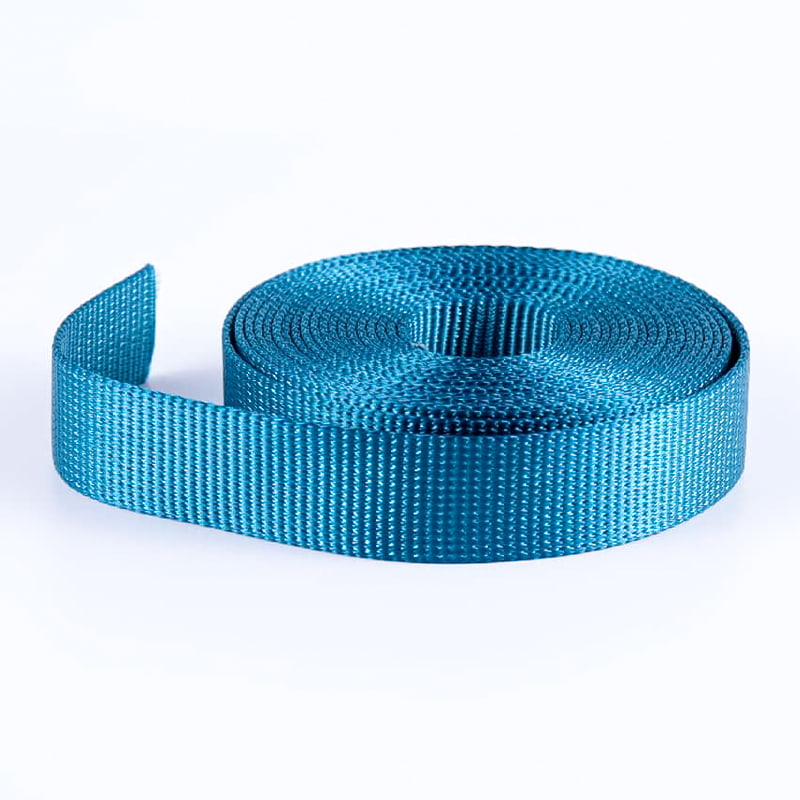
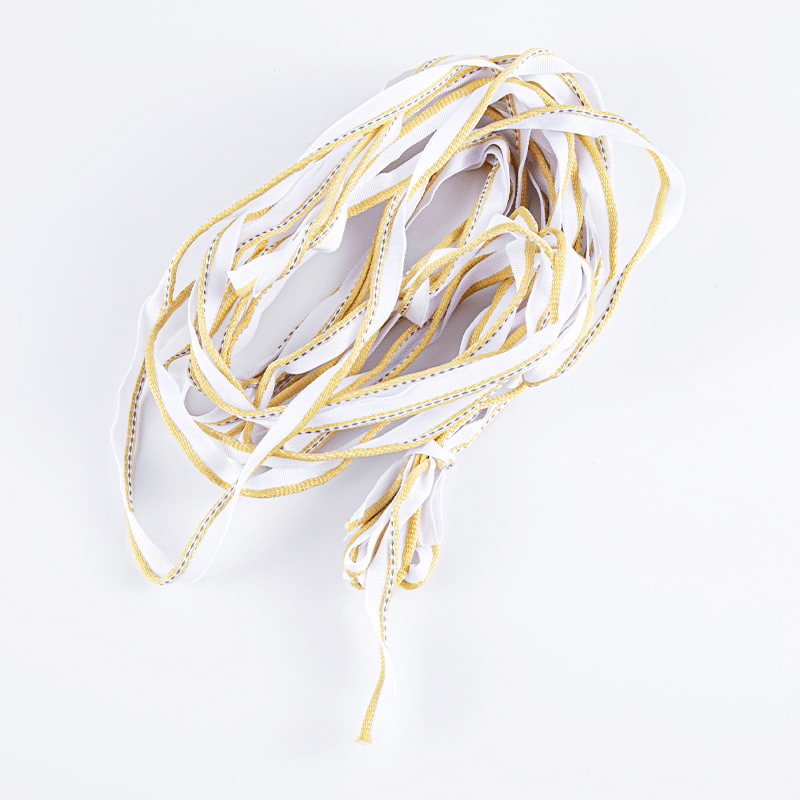
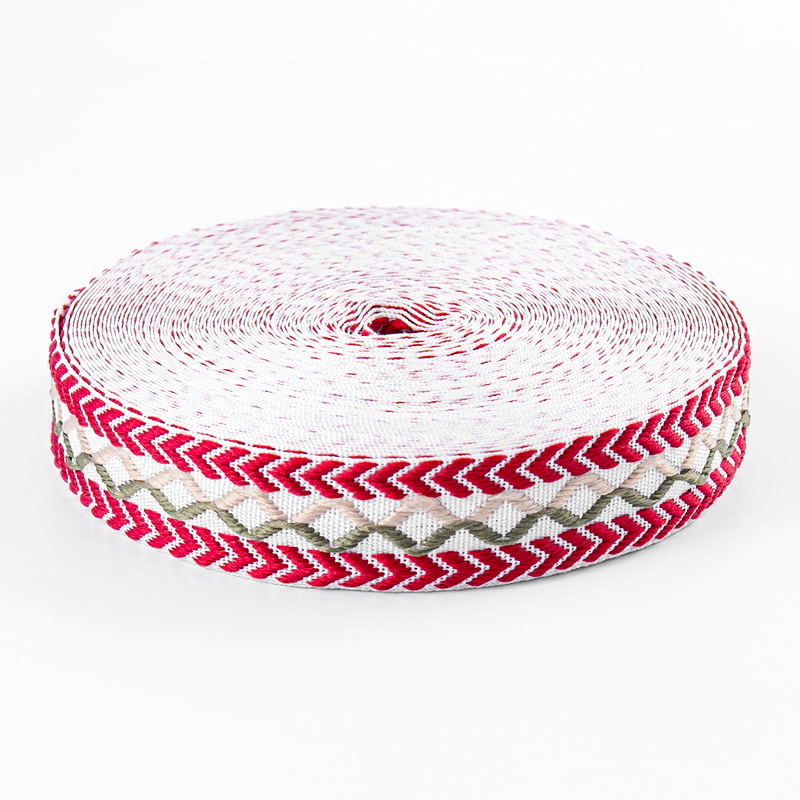
At our factory, the polypropylene hollow webbing range covers the sizes most often requested by outdoor equipment brands. For outdoor-sports accessories that need a colored, printable surface, this 2.2 cm printed hollow polypropylene webbing is a practical starting point. When visibility is part of the brief, the 2.2 cm reflective hollow polypropylene webbing adds a reflective tracer without changing the lightweight feel. For wider handles, carry straps, or camping equipment where surface contact matters, the 4.2 cm reflective hollow polypropylene webbing provides more cover and a broader, softer footprint.
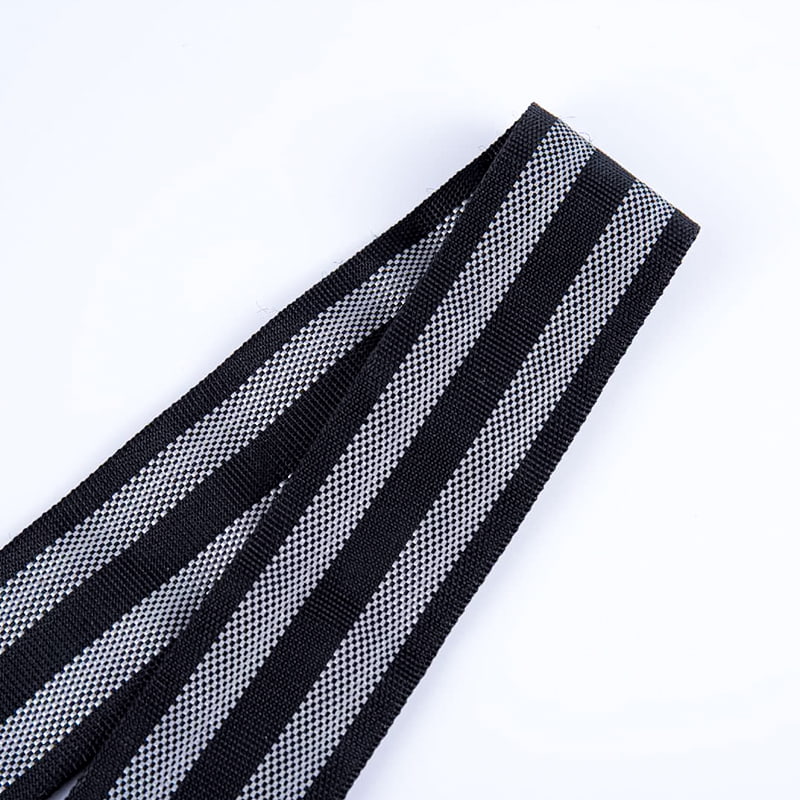 Оптовая торговля 4.2cm Polypropylene Reflective Hollow Webbing for Sports CampinHaining Fengrun Rope Weaving Co., Ltd. Китайская оптовая торговля 4.2cm Polypropylene Reflective Hollow Webbing for Sports Camping Equipm...View Product →
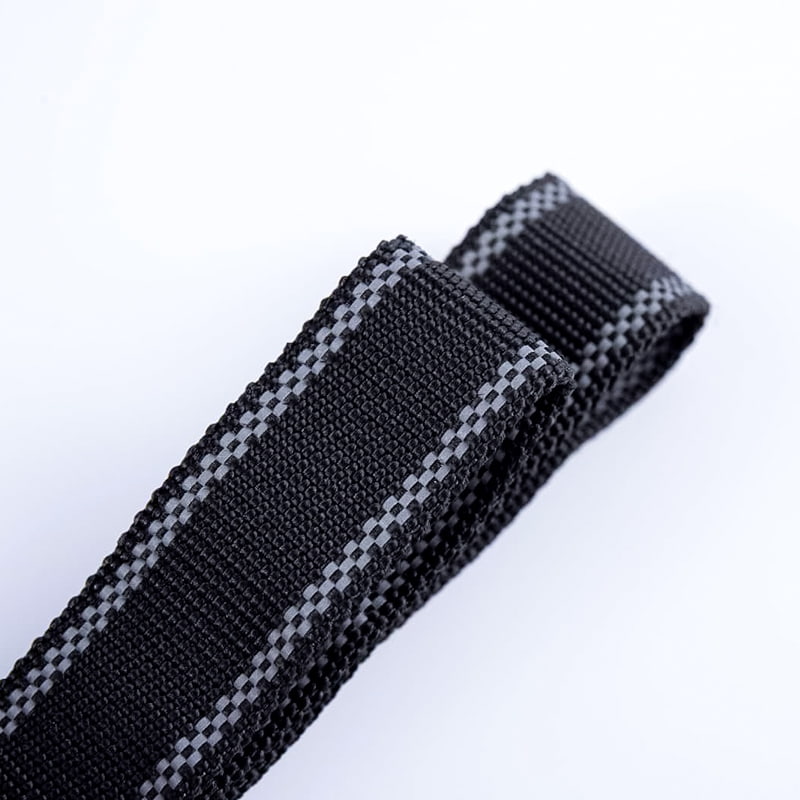 Оптовая торговля 2.2cm Polypropylene Reflective Hollow Webbing for Outdoor EquipHaining Fengrun Rope Weaving Co., Ltd. Китайская оптовая торговля 2.2cm Polypropylene Reflective Hollow Webbing for Outdoor Equipment Acc...View Product →
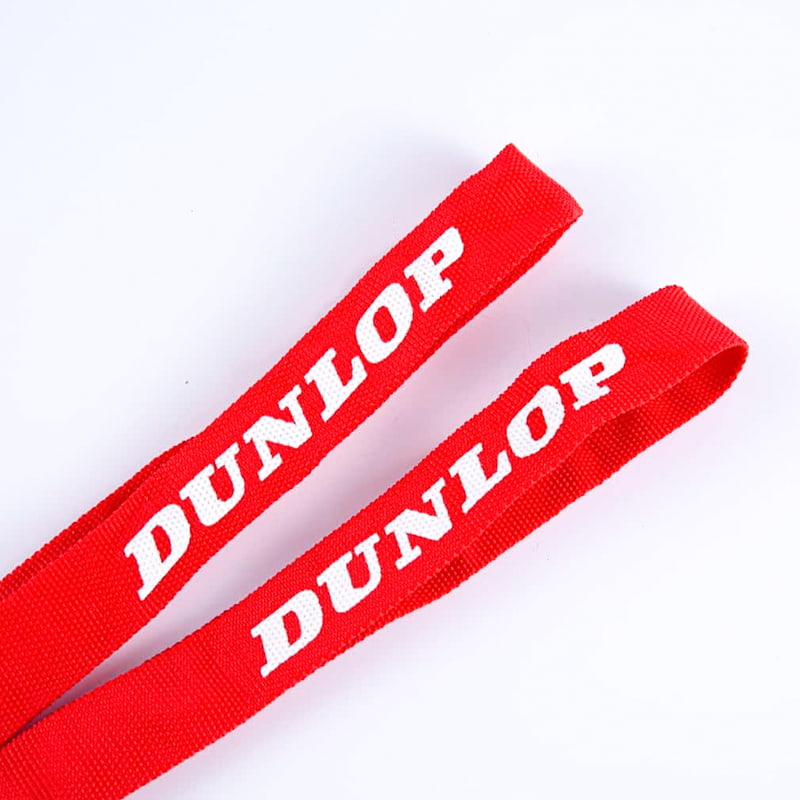 Оптовая торговля 2.2cm Polypropylene Printed Hollow Webbing for Outdoor Sports WHaining Fengrun Rope Weaving Co., Ltd. Китайская оптовая торговля 2.2cm Polypropylene Printed Hollow Webbing for Outdoor Sports Wear-Resi...View Product →
Polypropylene vs. Polyester vs. Nylon: Quick Material Comparison
Polypropylene is often compared with polyester and nylon because all three are used to make webbing straps. The right choice depends on the application, the environment, and the mechanical demands of the final product. The table below gives general material traits, not guaranteed values for a specific strap. Actual performance depends on tape denier, weave count, additives and sewing details.
| Property | Polypropylene | Polyester | Nylon |
|---|---|---|---|
| Moisture absorption | Very low | Low | Moderate to high |
| Density | ~0.91 g/cm³ | ~1.38 g/cm³ | ~1.14 g/cm³ |
| Abrasion resistance | Moderate, depending on weave | High | Excellent |
| UV resistance | Fair with UV-stabilized resin | Good | Moderate |
| Chemical resistance | Excellent to many dilute acids, alkalis and solvents | Good | Moderate |
| Elastic recovery | Low | Moderate | High |
| Typical melting range | Around 160–170°C | Around 250°C | Around 215–220°C |
If your application needs low water absorption and low weight, polypropylene leads. If the priority is heavy abrasion resistance or repeated flexing, polyester or nylon may be safer choices. For a deeper comparison, see our earlier article on polyester vs. nylon webbing for project planning.
Where Polypropylene Webbing Straps Work Best
Polypropylene webbing straps are not the right answer for every product, but they earn their place in several well-defined categories. The following list reflects the most common jobs where PP straps outperform other materials.
- Outdoor sports and camping accessories: low water pickup and low weight are valuable when equipment is carried for long distances.
- Backpack and equipment handles: tubular PP webbing gives a comfortable, wide grip and can be sewn flat without adding bulk.
- Printed and patterned straps: color is usually introduced before weaving, so printed patterns stay crisp without heavy after-treatment.
- Reflective safety straps: hollow PP webbing accepts reflective yarns and suits gear that needs low-light visibility.
- Packaging and temporary straps: low stretch, low cost and resistance to moisture make PP useful for bundling and container straps.
Still, every material has limits. Polypropylene softens at a lower temperature than polyester or nylon, and prolonged exposure to intense sunlight can cause embrittlement if UV stabilizers are not included. That is why the exact specification matters more than the generic name of the material.
If you are weighing solid against hollow construction, our technical note on why hollow polypropylene webbing is often chosen for durability explains the mechanics in more detail.
What to Specify When Ordering Custom Polypropylene Webbing Straps
Because most orders for polypropylene webbing straps are bulk production runs, a clear specification saves time and prevents costly rejects. The following points should appear in your inquiry:
- Width and finished thickness, not just the outer width.
- Construction type: flat, twill, or hollow/tubular.
- Resin grade and color method, especially whether the color is added during extrusion.
- Additives such as UV stabilizers, reflective yarns, or special printing requirements.
- Dimensional tolerance and packing format, including roll length and labeling needs.
For example, if you request “2.2 cm PP webbing” without specifying construction, you could receive a solid flat strap when the assembly line actually needs a hollow strap for a handle. Those two products look similar but behave differently during sewing and use. A precise spec prevents that mismatch.
As a webbing factory, we usually work from samples and detailed specifications. We respond to inquiries within 12 working hours, and we keep the sample stage aligned with the final bulk order so that approved samples represent what will be delivered in production. Before you send a request, our guide to polypropylene tubular webbing strength and uses can help you confirm the structure and expected loading behavior.
The Bottom Line for Polypropylene Webbing Straps
If your priority is low moisture absorption, lightweight handling and chemical resistance, polypropylene webbing straps are a legitimate choice. The material performs especially well in outdoor equipment, camping gear, printed straps and reflective accessories. The key is to define the construction, width, resin grade and additives before moving to production.
Whether you need a narrow 2.2 cm hollow strap for equipment accessories or a wider 4.2 cm reflective strap for camping products, the practical details are the same: verify the material, test a sample, and make sure the bulk production matches it.